



 5 minutes to read
 Ecosystem
Banxa Review: Buying Crypto with Credit Card and Bank Transfers (2026)
Banxa is a leading fiat-to-crypto on-ramp provider that lets users worldwide buy digital assets with familiar payment methods like credit cards and bank transfers. This 2026 review walks through how the platform works, its fees, security features, and practical steps for making purchases. Whether you're new to crypto or just want to streamline the process, you'll find clear guidance from start to finish.
What is Banxa and How Does It Work?
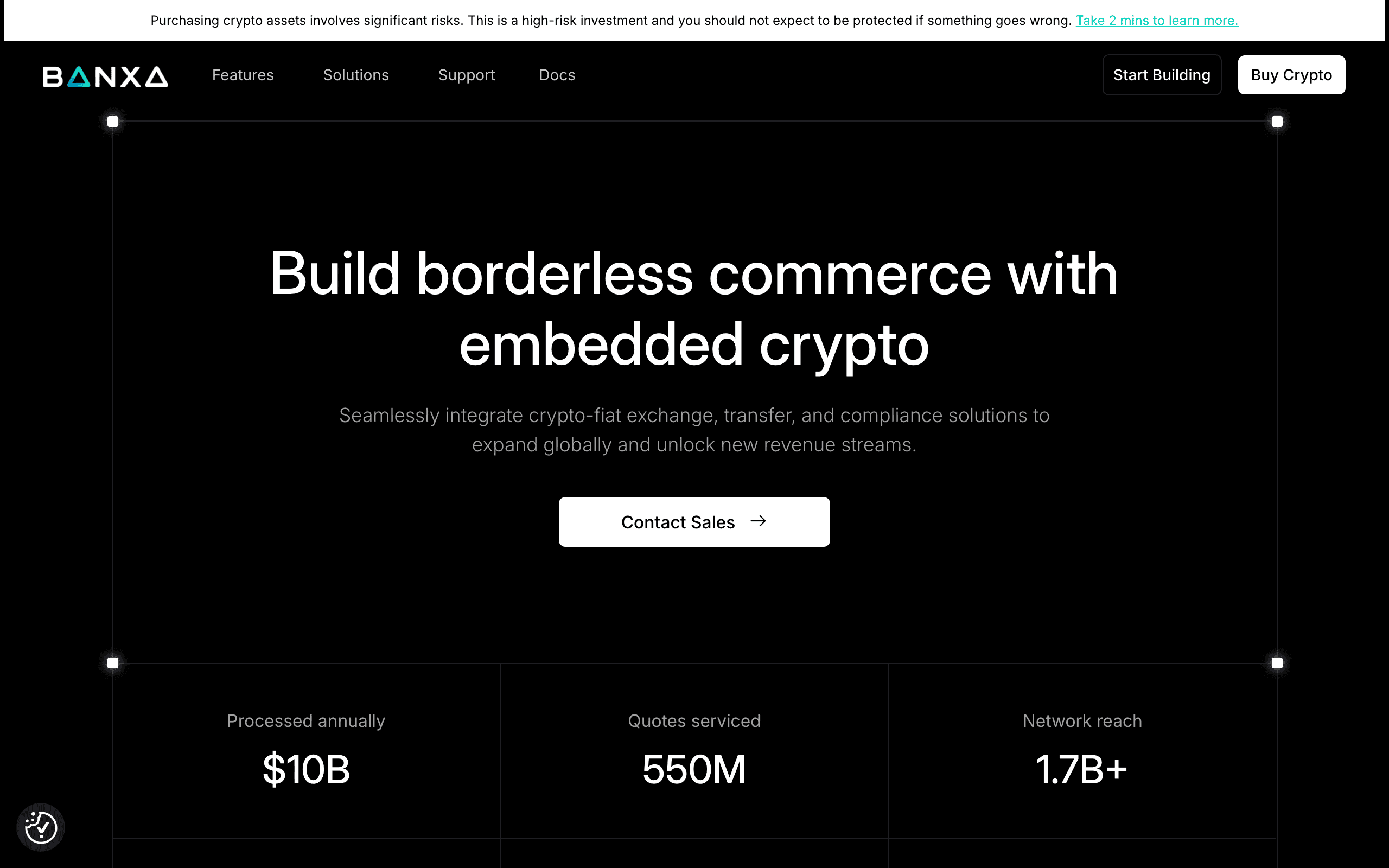
Banxa acts as a payment service provider focused on smooth conversions between fiat and cryptocurrencies. It pulls liquidity from multiple sources to deliver competitive rates and supports hundreds of assets across dozens of blockchains. You start a purchase on the Banxa site or through a partner wallet or exchange, pick your coin and amount, select a payment option, handle any verification, and the crypto lands straight in your own wallet.
The service follows global rules around AML and KYC. Most transactions require identity checks to reduce fraud and stay compliant. Once verified, credit card buys often finish in minutes. Bank transfers take a bit longer because of banking delays, but they usually cost less. In 2026 Banxa keeps adding payment options and networks, including Layer 2 solutions that cut gas fees.
Because it's non-custodial, the crypto goes directly to your wallet instead of sitting in an account. That approach keeps things secure and gives you full control. Banxa works with many wallets and apps, so you can use it through third-party tools or directly on their site.
Supported Payment Methods and Currencies
Banxa offers plenty of payment choices that vary by region. Credit and debit cards from Visa and Mastercard work for quick buys almost everywhere. Bank transfers, such as SEPA in Europe or local options elsewhere, suit bigger purchases at lower cost. Apple Pay, Google Pay, and other regional methods appear depending on where you are.
Supported fiat includes USD, EUR, GBP, AUD, and more, reaching users in over 100 countries. On the crypto side it handles more than 290 assets, from Bitcoin and Ethereum to stablecoins and tokens on Solana, Polygon, and BNB Chain. Availability differs by country, so check the platform for your location. Throughout 2026 the service has added more local payment rails to reach new markets.
Prerequisites for Using Banxa
You'll need a wallet that supports the asset and network you want. Hardware wallets give extra security, while software options integrated with Banxa partners work well too. Double-check the address and network before you proceed to avoid losing funds.
Most users need a government-issued ID and sometimes proof of address. Have those ready to speed things up. A valid credit card or bank account tied to your chosen method is essential, and you must be in a supported jurisdiction that follows local crypto rules.
Start with a small test purchase to get comfortable. Always verify wallet details and network selections before confirming.
Step-by-Step Guide: Buying Crypto with Credit Card on Banxa
Visit the Banxa website or a partner platform and choose the asset and amount. Enter your wallet address, select credit card as the method, and review the fees and total shown upfront.
Complete identity verification by uploading documents and answering questions. First-time checks usually take just a few minutes. Once approved, add your card details and confirm. The purchase processes almost right away, with crypto arriving in 5 to 30 minutes in most cases.
Watch for email updates or check the dashboard for status. If a card is declined, reach out to support quickly. Cards are fast but carry higher fees than other options.
Step-by-Step Guide: Buying Crypto with Bank Transfer on Banxa
Select the asset, amount, and bank transfer option. Provide your wallet address and finish verification if needed. You'll receive transfer instructions with account details and a reference number.
Send the funds from your bank, making sure to include the reference so everything matches. Processing times range from a few hours to one business day depending on the region. Once the money arrives and clears, Banxa sends the crypto to your wallet. Fees often stay under 1%, which makes this route attractive for larger amounts. Confirm exact details with your bank to prevent delays.
Fees, Limits, and Costs in 2026
Fees depend on the payment method, asset, and location. Credit cards typically add 3% to 5% or more because of convenience and processing. Bank transfers run much cheaper, often 0.5% to 1%, plus any network or conversion costs.
Minimum purchases usually start around $50, with higher limits available after verification. Extra spread or currency conversion fees can add up, so review the full quote on the platform first. As of mid-2026 the core pricing model has stayed steady, though occasional promotions help new users.
Security, Compliance, and Privacy Features
Banxa runs licensed operations in multiple places and applies AML screening to transactions. All users complete KYC to meet regulations and protect against misuse. Encryption and secure gateways keep payment details safe.
Funds never sit in custody; crypto moves straight to your wallet. This lowers risk compared with centralized platforms. Turn on two-factor authentication where available and watch for phishing. Privacy stays within legal limits, so full anonymity isn't possible. Transactions can be reviewed if flagged. For more privacy on later swaps, non-custodial aggregators like Baltex can be used after receiving assets, as Baltex is a non-custodial crypto swap aggregator that enables instant cross-chain exchanges without registration for most swaps.
Pros and Cons of Using Banxa
The main advantages are broad payment support, fast card processing, low bank-transfer fees, and a wide range of cryptocurrencies. Wallet integrations make it simple, and regulatory compliance gives many users confidence. Layer 2 expansions in 2026 have helped cut costs on some assets.
The downsides include mandatory verification that can slow first purchases and higher card fees. Some countries have limited access, and support times vary. Overall Banxa works well for straightforward fiat on-ramps but may not fit users who want minimal checks.
Common Mistakes and Troubleshooting
Picking the wrong network when entering a wallet address is a common slip that can lose funds. Always confirm the blockchain matches the asset. Incomplete verification documents also cause holds, so review uploads carefully.
Declined cards often mean the issuer blocks crypto purchases, so check with them first. Missing references on bank transfers lead to delays. Contact Banxa support with transaction details if needed. Testing small amounts first helps avoid bigger issues.
User Experiences and Real-World Examples
Users often describe smooth card buys for smaller amounts and appreciate the savings from bank transfers on bigger ones. Integration with wallets like Exodus has made mobile on-ramping easy. 2026 feedback points to reliable delivery and clear quotes.
Examples include buying Bitcoin with a card for quick trading or using SEPA transfers to accumulate Ethereum gradually. Accurate wallet details come up again and again as the key to success. Some mention occasional verification hiccups but note helpful support.
Alternatives to Banxa for Crypto Purchases
Other on-ramp services offer similar options with different fees and methods. For later crypto-to-crypto swaps without custody, platforms like Baltex stand out, a non-custodial crypto swap aggregator supporting 200+ networks and 10,000+ assets through aggregated liquidity. Baltex requires no registration for most swaps and focuses on instant cross-chain exchanges.
Pick an alternative based on your region, preferred assets, or privacy needs. Compare live rates and reviews before deciding.
Conclusion and Final Tips
Banxa gives a reliable, regulated route for buying crypto with credit cards and bank transfers in 2026. Follow the steps, double-check details, and keep regional rules in mind. Start small, verify everything, and you'll have a smoother experience with fewer risks.
Is Banxa safe to use for buying crypto?
What are Banxa fees for credit card purchases?
How long does it take to receive crypto via Banxa?
Does Banxa require KYC for every transaction?
Can I buy crypto with Banxa without a wallet?
What cryptocurrencies does Banxa support?
See others posts
G. Khan

Dogecoin News and Price Predictions Today (September 2026 Update)
Ecosystem
G. Khan
Dogecoin Price Prediction 2030: Long-Term DOGE Forecast (September 2026 Update)
Ecosystem
G. Khan
Dogecoin Price Prediction 2027
Ecosystem
G. Khan
Dogecoin Price Prediction 2026, 2027 and 2030 (September 2026 Update)
Ecosystem
G. Khan
Solana Price Prediction 2030 (September 2026 Update)
Ecosystem
G. Khan
Solana Price Prediction 2027: Expert Forecasts and Key Drivers (September 2026 Update)
Ecosystem