 5 minutes to read
 Ecosystem
How to Buy Bitcoin Anonymously Without ID Verification (July 2026)
Buying Bitcoin without handing over ID is a goal for many privacy-conscious users. Still, it comes with realistic limits. Blockchain records are public, so perfect untraceability is never guaranteed. This guide walks through non-custodial routes that keep personal data collection to a minimum.
Bitcoin started it all, and getting it without KYC usually means peer-to-peer trades, privacy coins, or swap aggregators. As of July 2026, rules differ sharply by country, so check your local laws first.
Understanding the Limits of Anonymity in Crypto Purchases
Anonymity here means avoiding government ID, phone numbers, or bank details during the buy. Bitcoin itself sits on a public ledger, though. Wallet addresses and amounts can still be pieced together later through analysis or outside information.
Tools like fresh addresses per transaction or routing via privacy coins reduce exposure, yet they do not erase every risk. Platforms often run AML screening, and a flagged transaction can trigger a verification request. Treat any promise of guaranteed anonymity with skepticism.
Analytics tools used by exchanges and regulators keep improving. Even no-KYC paths leave some trail. Mixing services and CoinJoin transactions have drawn attention in recent years. Real-world privacy usually means making direct links harder, not achieving total invisibility.
That distinction matters. Overconfidence leads to sloppy habits. Always double-check addresses, guard seed phrases, and skip public transaction talk. The aim is smart use of the tools available.
Demand for privacy on-ramps stayed steady through mid-2026 on non-custodial platforms. Setting expectations early helps the steps ahead feel practical.
Legal and Regulatory Considerations for No-KYC Bitcoin Purchases
Rules vary widely in 2026. The IRS in the United States views Bitcoin as property and expects reporting above certain thresholds no matter the platform. EU rules stress AML compliance, and some countries limit or watch no-KYC activity closely.
You still owe taxes and reports in your jurisdiction even with privacy methods. Skipping them can bring penalties separate from how you acquired the coins. A few places ban crypto outright, so any purchase there is illegal.
Check official government sites or speak with a qualified advisor before starting. Aggregators themselves may flag transactions for review even without upfront KYC.
Baltex, a non-custodial crypto swap aggregator, performs AML screening on transactions and may request verification in specific compliance-related cases. Most swaps do not trigger review, but the screening layer exists.
Privacy methods never remove legal duties. Put compliance first.
What You'll Need Before Starting
A few basics make the process smoother. Start with a wallet that handles Bitcoin and ideally privacy coins like Monero. Software wallets work for most people; hardware options suit larger holdings.
Next, line up funds that already avoid identity checks on the sending side—existing crypto or cash-based peer-to-peer deals. Know the basics of fees, confirmations, and address safety.
Reliable internet and a clean device help. Expect some waiting for liquidity or network processing. Know which route you plan to take: P2P, privacy-coin swaps, or aggregator paths.
Preparation cuts down on mistakes. Confirm wallet support for the networks involved before sending anything.
Step 1: Choose a Non-Custodial Swap Aggregator or Platform
Pick a platform that handles Bitcoin swaps without forcing registration or KYC on standard trades. Non-custodial aggregators pull liquidity from many sources and keep your funds in your own wallet until the swap finishes.
No account means less chance of linking activity to your identity. Compare networks, pairs, and privacy options. Look for clear notes on registration-free swaps and broad liquidity across DEX and CEX providers.
Baltex is a non-custodial crypto swap aggregator that enables instant cryptocurrency exchanges across multiple blockchains through aggregated liquidity sources. It covers over 200 networks and 10,000+ assets, including Bitcoin, with no registration required for most swaps. You stay in control of your keys the whole time.
Check interface ease and any Monero-based privacy routes. Start small to test. Verify the official domain to dodge phishing copies.
Recent forum feedback helps, though results differ by user. The platform choice shapes everything that follows.
Step 2: Acquire a Privacy Coin Like Monero as an Intermediate Step
Many routes start with a privacy coin such as Monero, then swap it into Bitcoin. Monero uses ring signatures and stealth addresses to hide sender, receiver, and amount on its chain.
Get Monero through low-data channels when possible—existing holdings or P2P. Once in a compatible wallet, swap it for Bitcoin. The extra hop adds obfuscation versus straight fiat-to-BTC paths.
The Monero Project shares official details on how the privacy features work. Upgrades continue to strengthen resistance to analysis.
Even privacy coins have limits. Volume and timing can sometimes give clues. Reuse addresses sparingly and keep test amounts modest. This step shines when direct no-KYC Bitcoin options feel scarce.
Step 3: Initiate the Swap to Bitcoin via Aggregator
With Monero or another asset ready, connect to the aggregator and pick the pair—XMR to BTC, for example. Enter the amount, review the expected output after fees, and confirm your Bitcoin address.
Check that address several times. Mistakes cannot be undone. The platform usually gives a deposit address or QR code for the input coin. Send exactly the required amount from your wallet.
Aggregated liquidity often finishes instant swaps in minutes. Track progress with the provided transaction ID. Bitcoin lands in your wallet after the needed confirmations.
Baltex supports private swaps through Monero-based swap flows while performing AML screening. It does not store user funds and requires no account for most operations. This setup suits users who want less data shared during the exchange.
Watch network fees and minimums. Low liquidity may prompt alternate routes or short waits.
Step 4: Secure the Received Bitcoin and Verify Transactions
Move the Bitcoin to a secure wallet right away if it is not already there. Create a fresh address for anything new and skip address reuse. Turn on every security feature available.
Confirm the transaction on a block explorer. Keep your own records for taxes even without platform statements. Store seed phrases offline and never share them.
Test with small amounts first. If something stalls, reach out to support with the transaction details. This last step locks in the privacy gains from earlier steps. Regular wallet checks keep things safe over time.
How Much Does It Typically Cost?
Costs depend on the route and market conditions. Aggregator swaps usually add a small spread plus network fees, often landing under 1-2% total when liquidity is decent. P2P deals can carry premiums tied to payment method and seller reputation.
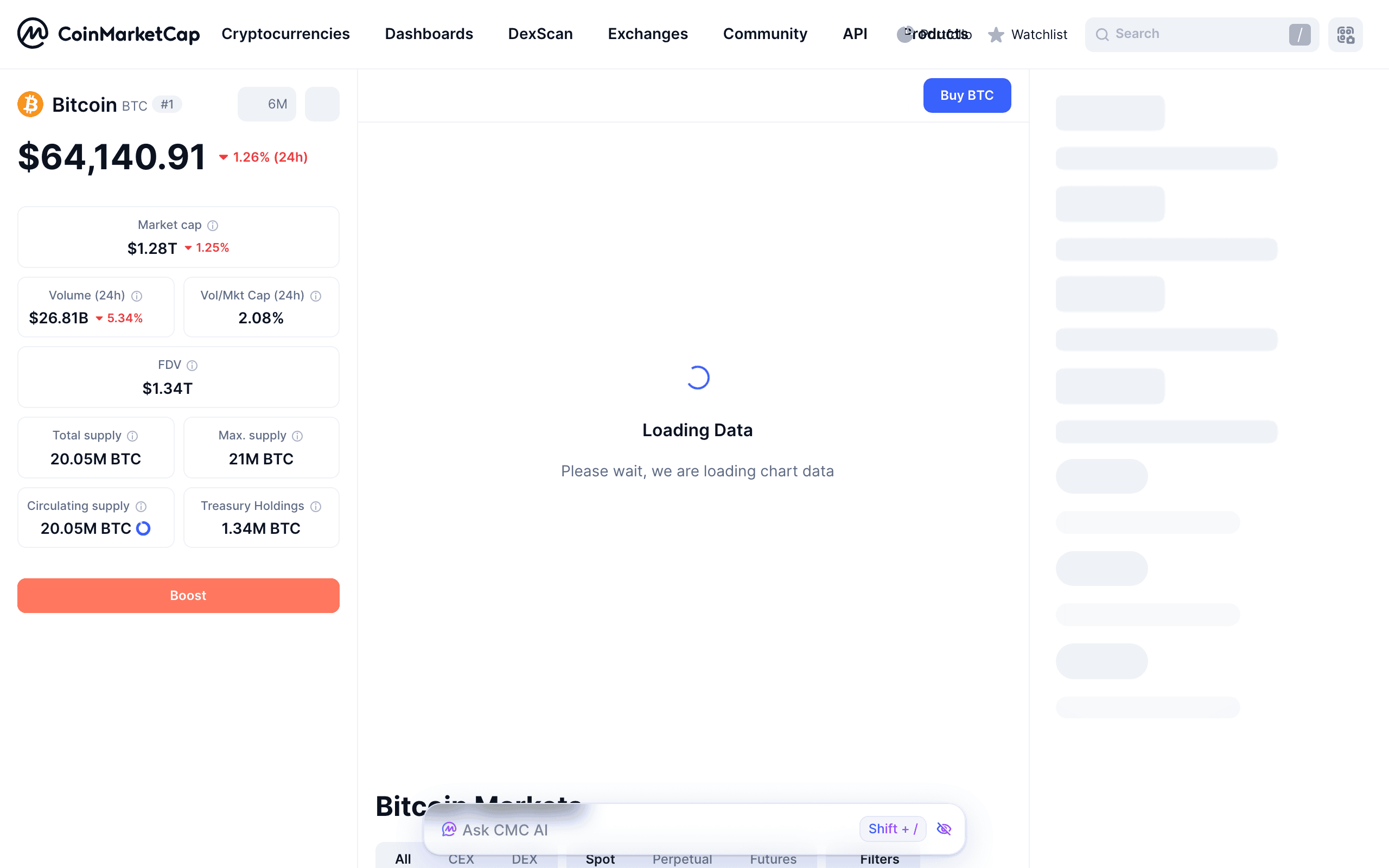
Adding a privacy-coin step means two swaps instead of one, so fees stack. As of July 2026, Bitcoin network fees vary with congestion but stay manageable for normal transfers according to data on CoinMarketCap.
Compare full costs across options. Larger amounts can face more slippage. Non-custodial paths skip account fees but put you face-to-face with market spreads.
How Long Does the Process Take?
A standard no-KYC aggregator swap finishes in 5-30 minutes once liquidity matches, plus 10-60 minutes for Bitcoin confirmations depending on how many you want. Getting the starting privacy coin via P2P can stretch longer.
High volatility or thin liquidity can cause delays. Plan ahead and watch network status. Most users finish straightforward flows the same day.
Is It Safe?
Safety hinges more on your habits than the method. Non-custodial platforms leave funds in your control, cutting counterparty risk versus custodial services. You handle address checks and wallet security yourself.
Scam exposure runs higher without platform safeguards. Stick to official sites, verify URLs, and begin small. AML screening on aggregators adds a compliance layer but does not shield against outside threats.
Common Mistakes and Troubleshooting
Sending to the wrong address or network is the quickest way to lose funds permanently. Copy-paste and verify the first and last characters every time. Address reuse also hurts privacy.
A stuck swap? Check explorer status and contact support with the ID. Low liquidity may call for splitting the order or waiting. Phishing sites copy popular aggregators; match the domain exactly.
For slow confirmations, raise the fee next time or wait out congestion. Back up wallet data in safe spots.
When Different Options May Be Better
No-KYC methods fit users who already hold crypto and want to skip extra data sharing on small-to-medium swaps. They suit less well for large amounts that trigger mandatory reporting anyway or when you need fiat on-ramps.
If speed and simplicity matter more and you are fine with KYC, traditional exchanges often deliver stronger liquidity and support. Maximum-privacy seekers might look at CoinJoin tools or other advanced techniques, though those bring their own complexity and risks.
Baltex fits scenarios where cross-chain swaps without accounts are desired, particularly involving Monero flows for added obfuscation. It is not positioned as the only or best choice for every user.
Related reading: XMR.to Alternatives: How to Pay Bitcoin Invoices with Monero.
Related reading: Step 1: Choose a Platform That Supports Debit Card Purchases.
Related reading: XMR.to Alternatives: How to Pay Bitcoin Invoices with Monero.
Related reading: TL;DR: Quick Guide to Buying Crypto with Credit Card in 2025.