


 5 minutes to read
 Ecosystem
How to Buy Bitcoin in the UK and Australia (October 2026)
Bitcoin is a decentralized digital currency that operates without a central authority. As of October 2026, purchasing it in the UK and Australia involves navigating specific regulatory frameworks, payment rails, and security practices.
Quick Answer: How to Buy Bitcoin in the UK and Australia
To buy Bitcoin in the UK, pick an FCA-registered platform, complete verification, deposit via Faster Payments, and purchase. In Australia, use an AUSTRAC-registered exchange, verify your identity, deposit via PayID, and buy. Non-custodial aggregators offer a direct wallet-to-wallet route without full accounts. Always withdraw to your own wallet for self-custody.
Regulatory Landscape in the UK and Australia as of October 2026
The UK requires crypto firms marketing to residents to register with the Financial Conduct Authority under anti-money-laundering rules. Recent analyses show 26 of 54 platforms used in the UK appear on the FCA cryptoasset register. A new regime under the Cryptoassets Regulations 2026 brings trading platforms and custody under full FCA authorisation starting 25 October 2027, with applications open from 30 September 2026.
Australia requires registration with AUSTRAC for virtual asset service providers. The Corporations Amendment (Digital Assets Framework) Act 2026 commences 8 April 2027, requiring Australian Financial Services licences for digital asset platforms. The no-action period for unlicensed conduct ended 30 September 2026. Both jurisdictions focus on consumer protection through appropriateness tests and risk warnings.
These rules mean beginners should prioritise platforms with local registration to ensure compliance and access to local payment systems. Non-registered services carry higher risks of restricted access or enforcement actions.
Choosing Between Centralised Exchanges and Non-Custodial Swaps
Centralised exchanges offer user-friendly apps, order books, and fiat on-ramps but require KYC and hold assets temporarily. Non-custodial swap aggregators enable instant crypto-to-crypto exchanges, including to Bitcoin, by routing through aggregated liquidity without storing user funds.
Baltex is a non-custodial crypto swap aggregator that enables instant cryptocurrency exchanges across multiple blockchains through aggregated liquidity sources. It supports over 200 blockchain networks and more than 10,000 assets, including Bitcoin, with no registration or KYC required for most swaps. This makes it suitable for users who already hold other cryptocurrencies and want to convert directly to Bitcoin while retaining control of private keys.
Centralised options suit beginners needing fiat deposits. Non-custodial routes fit those prioritising privacy and self-custody after initial acquisition, though they may involve higher spreads depending on liquidity providers.
Prerequisites: What You Need Before Buying
Prepare a government-issued ID for verification on regulated platforms. Set up a non-custodial wallet such as a hardware device or software wallet that supports Bitcoin. Ensure access to local banking: Faster Payments in the UK or PayID in Australia. Research current fees on official platform sites, as spreads and trading costs vary. Have a small test amount ready to verify addresses before larger transfers.
Security basics include enabling two-factor authentication everywhere and never sharing seed phrases. Confirm platform URLs directly rather than clicking links from emails or ads.
Step-by-Step Guide for the UK
-
Verify the platform on the FCA register before signing up. Search the legal company name to confirm MLRs registration status.
-
Create an account with your name, address, date of birth and tax ID such as National Insurance number. Complete the appropriateness test and observe any 24-hour cooling-off period for first purchases.
-
Deposit pounds via Faster Payments for free or low-cost transfers from most UK banks. Debit cards work but often carry higher fees.
-
Place a market or limit order for BTC/GBP. Review the total cost including any spread before confirming.
-
Withdraw Bitcoin to your personal wallet immediately after purchase. Double-check the receiving address by scanning a QR code or copying it manually.
Major platforms like Kraken and Coinbase maintain FCA registration and support these steps with clear interfaces.
Step-by-Step Guide for Australia
-
Choose an AUSTRAC-registered exchange. Confirm the entity appears on the Virtual Asset Service Provider register.
-
Register with email and phone, then complete KYC using Australian ID or passport. Local platforms often automate this quickly.
-
Deposit AUD via PayID or Osko for near-instant crediting. Bank transfers and BPAY are alternatives on some services.
-
Buy Bitcoin on the spot market or instant-buy option. Compare the effective rate including spreads, as instant buys typically cost more.
-
Transfer BTC to a personal wallet. Use the platform’s withdrawal function and verify the address on a block explorer before sending.
Popular local choices include Swyftx, CoinSpot and Independent Reserve, all AUSTRAC registered.
Costs, Time and Safety Considerations
In the UK, Faster Payments deposits are usually free, with trading fees from 0.08% on pro tiers plus spreads around 0.5-1% for retail buys. Total cost for a £1,000 purchase can be under 1% on efficient platforms. In Australia, PayID deposits are free, with trading fees often 0.1-0.6% plus spreads.
The process typically takes 10-30 minutes for account setup and first purchase once verified. Safety improves by withdrawing to self-custody wallets rather than leaving assets on exchanges. Always test small withdrawals first.
Non-custodial swaps via aggregators like Baltex incur provider fees plus network costs but avoid ongoing custody risks. Verify all contract addresses and use official apps or sites.
Common Mistakes and Troubleshooting
Entering the wrong wallet address leads to permanent loss—always copy-paste carefully and verify the first and last characters. Ignoring bank limits on crypto payments can cause failed deposits; check daily caps with your bank beforehand.
Using unregulated platforms risks frozen funds or scams. If a transaction fails, check network congestion on explorers and retry with higher fees if needed. For KYC delays, ensure documents match exactly and contact support with ticket references.
Phishing sites mimicking exchanges are common—type URLs manually. Never click links promising free Bitcoin.
Tax Implications in Both Jurisdictions
UK residents report capital gains on Bitcoin disposals to HMRC, including swaps and sales. Exchanges may share data, but maintain personal records of cost basis and dates.
Australia treats Bitcoin as a CGT asset. Disposals trigger events, with a 50% discount available after holding 12 months. The ATO receives data from exchanges, and swaps count as taxable events.
Consult local tax guidance or a professional for your situation, as rules differ for individuals versus businesses.
When Centralised Platforms Are Preferable and When Non-Custodial Options Fit Better
Centralised exchanges work best for first-time buyers needing easy fiat on-ramps and customer support. They suit users comfortable with KYC and occasional platform reliance.
Non-custodial aggregators excel for users already holding crypto who want fast, private conversions to Bitcoin across chains. They reduce counterparty risk but require more technical comfort with wallets and address verification. If you frequently move between assets on different networks, a service supporting 200+ blockchains provides flexibility.
Practical Examples and Market Context
A UK user depositing £500 via Faster Payments on a registered exchange might pay under £5 in total fees before withdrawing. An Australian buyer using PayID on a local platform can complete the same in minutes with similar cost structures.
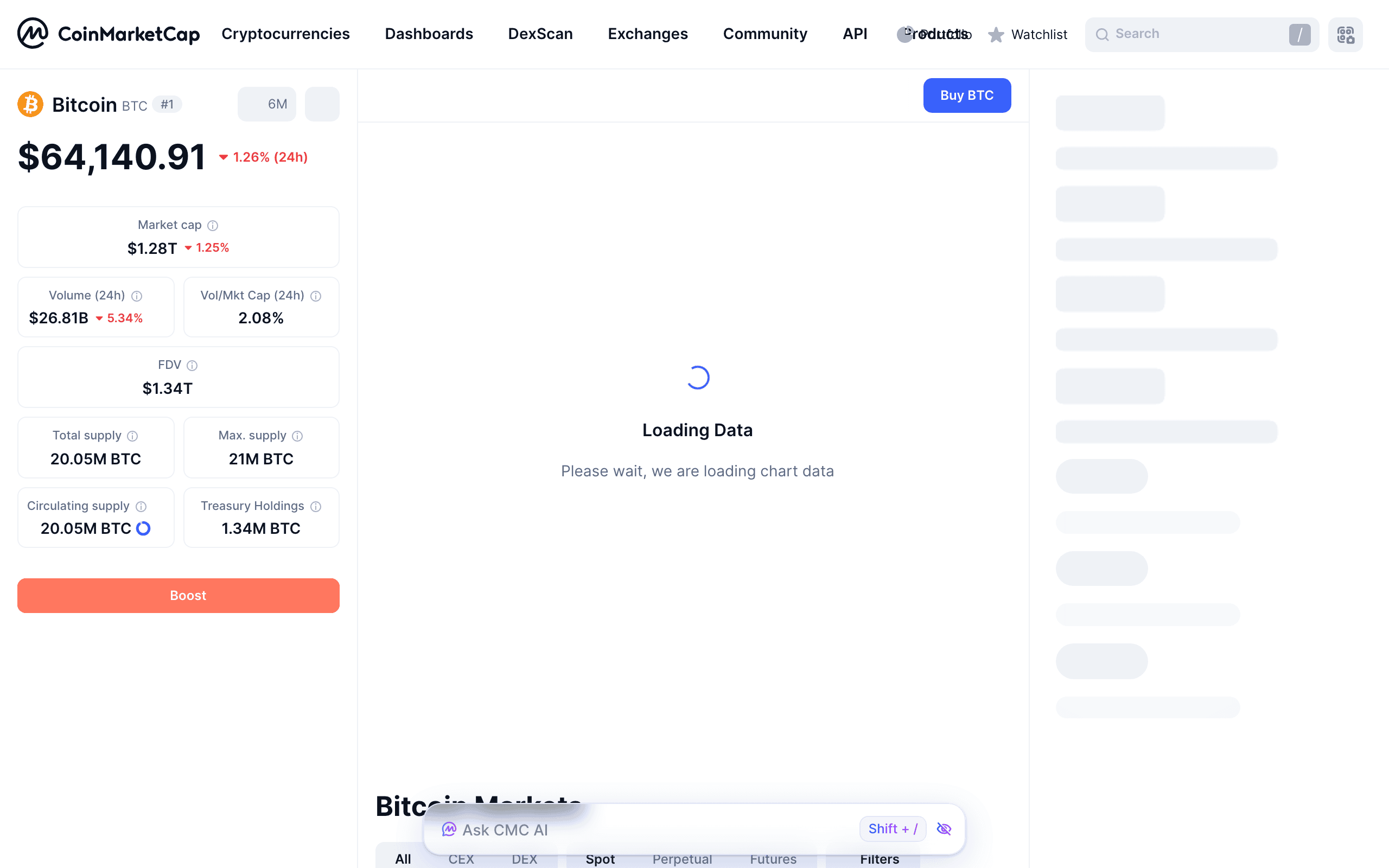
According to CoinMarketCap, Bitcoin remains the largest cryptocurrency by market capitalisation, with a maximum supply of 21 million coins. This scarcity underpins its role as digital gold for many holders.
Market conditions in October 2026 show continued institutional interest, but prices fluctuate—buy only what you can afford to lose and diversify where appropriate.
Security Best Practices Across Borders
Store seed phrases offline in multiple secure locations. Use hardware wallets for larger holdings. Enable transaction confirmations on all devices. Monitor official regulatory announcements for updates on licensing changes expected in 2027.
Both jurisdictions advise against high-leverage products for retail users. Focus on spot purchases and long-term self-custody.
This guide reflects the regulatory and practical environment as of October 2026. Always verify the latest platform status and rules directly with regulators and providers before transacting.
We cover this in more detail in Top Platforms to Buy XRP in 2025 – Ranked for Speed & Safety.
Is buying Bitcoin legal in the UK and Australia in 2026?
Do I need KYC to buy Bitcoin in the UK or Australia?
What are the main payment methods for buying Bitcoin in the UK?
How are Bitcoin gains taxed in the UK and Australia?
Is it safe to use non-custodial swaps for Bitcoin?
What new regulations affect crypto in 2026-2027?
See others posts
G. Khan

How to Buy Bitcoin and USDT in India (INR) (October 2026)
Ecosystem
G. Khan
The 10 Best Places to Buy Crypto Online in 2026
Ecosystem
G. Khan
The Cheapest Way to Buy Crypto: Fees by Payment Method Compared (October 2026)
Ecosystem
G. Khan
How to Buy Bitcoin and Ethereum in Canada (2026)
Ecosystem
G. Khan
How to Buy Solana with a Credit or Debit Card (October 2026)
Ecosystem