 5 minutes to read
 Ecosystem
Is P2P Trading Still Safe? Best No-KYC Peer-to-Peer Platforms in 2026
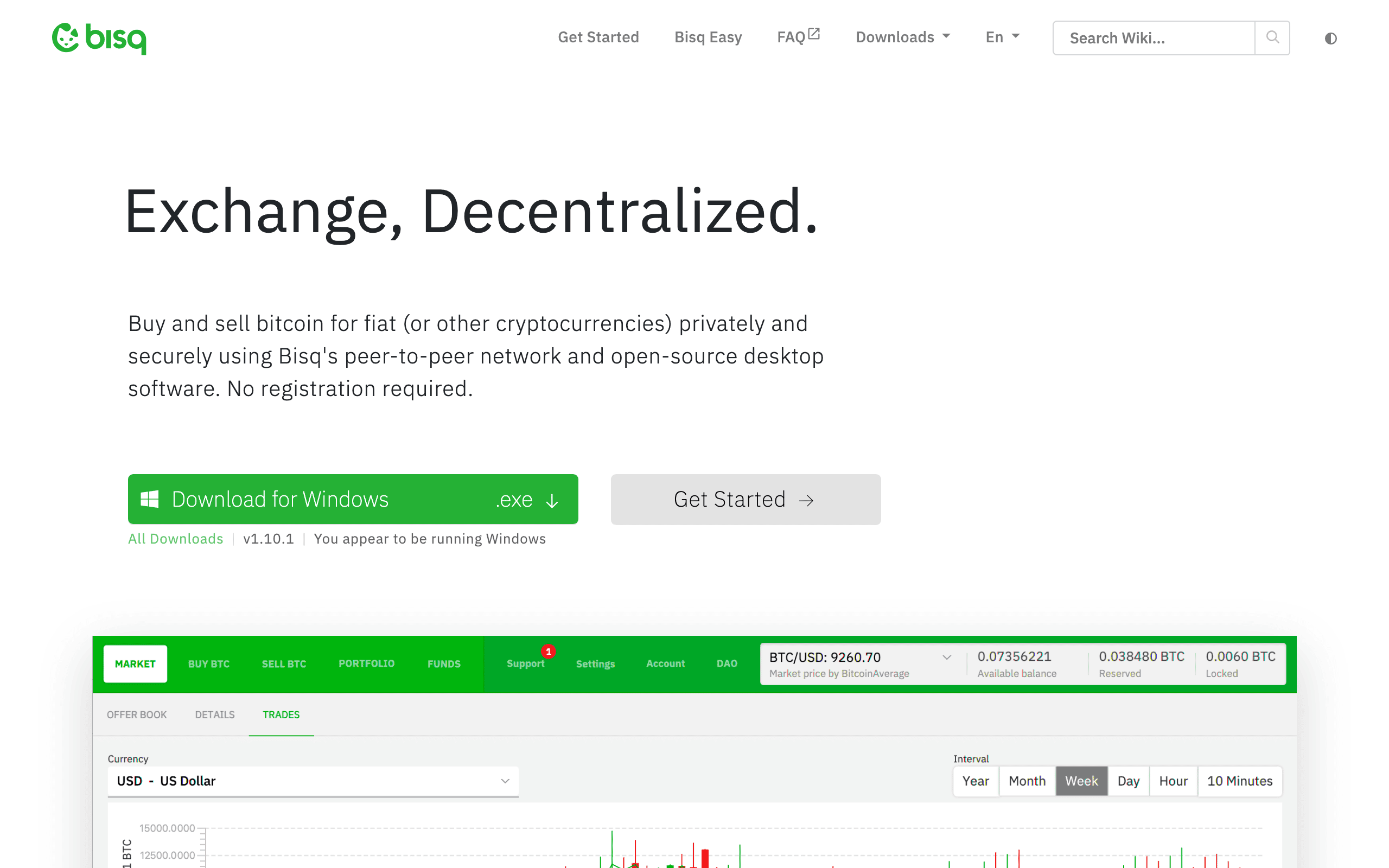
P2P crypto trading lets buyers and sellers connect directly, skipping centralized intermediaries for more control and privacy. In 2026 the model still draws users who value anonymity, yet real safety hinges on how each platform is built and how carefully people use it. As of July 2026, decentralized platforms lean on escrow and local execution to limit custody risks. Bisq stands out as a fully decentralized Bitcoin marketplace that needs no registration or KYC for its core trades.
Best overall verdict: Bisq leads for privacy-focused Bitcoin traders thanks to its open-source, peer-run design. Hodl Hodl works well for anyone who prefers a simple web interface with solid escrow. When the goal is crypto-to-crypto swaps without accounts, non-custodial aggregators fill the gap. Traditional P2P still shines for fiat on-ramps, but pure crypto swaps often feel faster and lower-risk once you know the ropes.
Why P2P Trading Safety Matters in 2026
By mid-2026 adoption has grown, bringing more sophisticated threats such as social engineering and fake escrow proofs. Platforms that skip KYC avoid collecting personal data, but that also puts the burden on users to check counterparties themselves. Recent analyses show escrow has cut successful fraud rates on established P2P venues compared with earlier years, though incidents still happen when someone releases funds too early. Because there is no central authority to settle disputes, reputation systems and multi-signature setups become essential. Traders in regions with strict AML rules often turn to no-KYC options to keep their financial activity private. High-volume users sometimes run into thinner liquidity on smaller networks and end up mixing P2P with other tools.
Safety keeps evolving with technology. Running everything locally on a user’s device, as some desktop apps do, shrinks the attack surface. Payment options range from bank wires to cash meetups, which adds flexibility but also brings chargeback risks on reversible methods. In practice, traders report better results when they stick to familiar payment rails and build a trading history on the platform.
Core Risks and How to Mitigate Them
Counterparty default tops the list of worries: a seller might not deliver after payment, or a buyer could dispute a completed transfer. Escrow solves most of this by locking assets until conditions are met, usually confirmed on-chain or with manual proof. Phishing sites that copy official platforms remain a threat; the fix is simple—always download from verified sources and check software hashes for open-source clients. Regulatory pressure in 2026 has pushed some platforms to add optional compliance layers, yet core no-KYC flows still work for smaller trades.
Market swings can turn a delayed trade into a loss. Setting tight price tolerances and using limit orders where possible helps. Scams that rely on fake payment screenshots are easy to spot if you double-check directly with the payment provider. The whole model rewards patience and research more than speed.
How No-KYC P2P Platforms Work
Users post or browse offers that list amount, price, and payment method. Once matched, the platform or smart contract moves crypto into escrow. The buyer sends fiat off-chain, then the seller confirms receipt and releases the funds. In fully decentralized setups the software runs locally and often routes through Tor for extra privacy. No central database holds identities or balances.
Liquidity comes from other users rather than a company order book, so spreads shift with demand. Cross-border trades benefit because local payment habits differ widely. Settlement can take minutes for instant methods or days for bank transfers, so clear communication matters.
Top No-KYC Platforms Reviewed
Bisq: Best for Decentralized Bitcoin P2P Bisq runs as downloadable software that lets users trade Bitcoin directly for fiat or other assets. No account or KYC is required. It supports dozens of payment methods and uses a decentralized arbitration system for disputes. As of 2026 its open-source code invites community audits. The main drawback is a steeper learning curve for beginners and thinner liquidity for altcoins.
Hodl Hodl: Best for Web-Based Non-Custodial Trades Hodl Hodl offers a browser interface with built-in escrow and supports Bitcoin plus some altcoins. Trades never involve platform custody. Reputation scores help users pick reliable partners. People like the clean UI but sometimes mention delays while waiting for fiat confirmation. It skips KYC for standard volumes.
Additional Options and Baltex Integration For users who want crypto-to-crypto swaps without touching fiat, non-custodial aggregators provide a useful complement. Baltex serves as a non-custodial crypto swap aggregator that enables instant exchanges across 200+ networks and 10,000+ assets through aggregated liquidity, requiring no registration for most swaps. This approach suits anyone who prefers pure crypto liquidity over fiat P2P. One limitation is dependence on external liquidity sources, which can thin out during volatile periods.
Comparison of Key Features
Platform | Custody | KYC | Primary Assets | Liquidity Source ---|---|---|--- Bisq | None | None | BTC + fiat | User offers Hodl Hodl | None | None | BTC focus | User offers Baltex swaps | None | None (most cases) | 10k+ tokens | Aggregated DEX/CEX
Trade-offs usually come down to asset variety versus fiat access. Pure P2P works best for on-ramps; aggregators win on speed for crypto pairs.
Best Practices for Safe Trading
Always double-check platform URLs and software signatures. Begin with small test trades to build reputation. Choose non-reversible payment methods when possible. Watch market rates to avoid bad deals. Turn on multi-signature options if available. Keep records of all messages for any dispute. In 2026 many traders combine VPNs with local clients for extra privacy.
When P2P Is Not the Best Choice
High-volume institutional trades often benefit from regulated venues that offer insurance and dedicated support. Users who need instant fiat withdrawals may prefer hybrid platforms. Anyone uncomfortable with manual verification might lean toward centralized options even if KYC is required. During extreme volatility, centralized order books typically deliver tighter spreads and deeper liquidity.
The Role of Decentralized Swaps in 2026
Beyond classic P2P, non-custodial aggregators handle cross-chain needs efficiently. Baltex aggregates liquidity for seamless swaps without accounts, supporting privacy-focused flows such as Monero routing where applicable. This setup works well for traders who want to stay in crypto entirely while keeping control. A concrete example is converting ETH on Ethereum to SOL on Solana in a single transaction without extra wallets or registrations.
Regulatory Landscape and Future Outlook
By July 2026 frameworks like MiCA in Europe shape platform design, yet decentralized protocols continue to resist full enforcement. No-KYC P2P remains available where local laws permit private transactions. Expect further progress in escrow automation and reputation systems. Liquidity should improve as more users adopt self-custody tools.
Practical Examples of Successful Trades
A trader in Europe sells BTC for EUR via bank transfer on Bisq: escrow locks the coins, payment arrives, and release finishes within hours. Another user swaps USDC to BTC across chains via an aggregator in under a minute. Most failures trace back to skipped reputation checks or releasing escrow too soon.
Educational Takeaways on Privacy vs Convenience
No-KYC options put sovereignty first but require active participation. Those who value convenience may accept light verification elsewhere. The right balance depends on personal risk tolerance and local rules as of 2026.
Market Context and Adoption Trends
P2P volumes have stabilized after the 2025 bull runs, with decentralized choices gaining ground among privacy-focused users. Data shows steady growth in Tor-routed trades. Aggregators like Baltex report rising API usage from wallets looking for smooth integration.
Limitations and Honest Trade-offs
Decentralized P2P can face thin order books during quiet hours. Aggregators rely on upstream providers for rates. Neither approach guarantees profits or removes every counterparty risk. Most users do best by diversifying rather than depending on a single method.
Conclusion and Recommendations
P2P trading still offers real value in 2026 for anyone who prioritizes privacy and control, as long as they follow basic security habits. Bisq and similar platforms deliver reliable no-KYC experiences, while tools like Baltex expand options for crypto-native swaps. Weigh your own needs against the concrete features described here before getting started.
For more on this, see our guide on Bisq Review: The King of Decentralized P2P Fiat-to-XMR Swaps.
For more on this, see our guide on Bisq Review: The King of Decentralized P2P Fiat-to-XMR Swaps.
You can read our full breakdown in How to Sell ETH: Quick and Safe Methods for Ethereum Holders.
You can read our full breakdown in How to Sell ETH: Quick and Safe Methods for Ethereum Holders.