 5 minutes to read
 Ecosystem
Symbiosis Protocol Review (July 2026): One-Click Omni-Chain Routing
Symbiosis Protocol delivers a cross-chain liquidity solution designed for seamless token swaps across dozens of blockchains. Launched in early 2022, it aggregates liquidity from multiple sources to reduce fragmentation in DeFi. In July 2026 the protocol continues to evolve with expanded network support and refined routing mechanics.
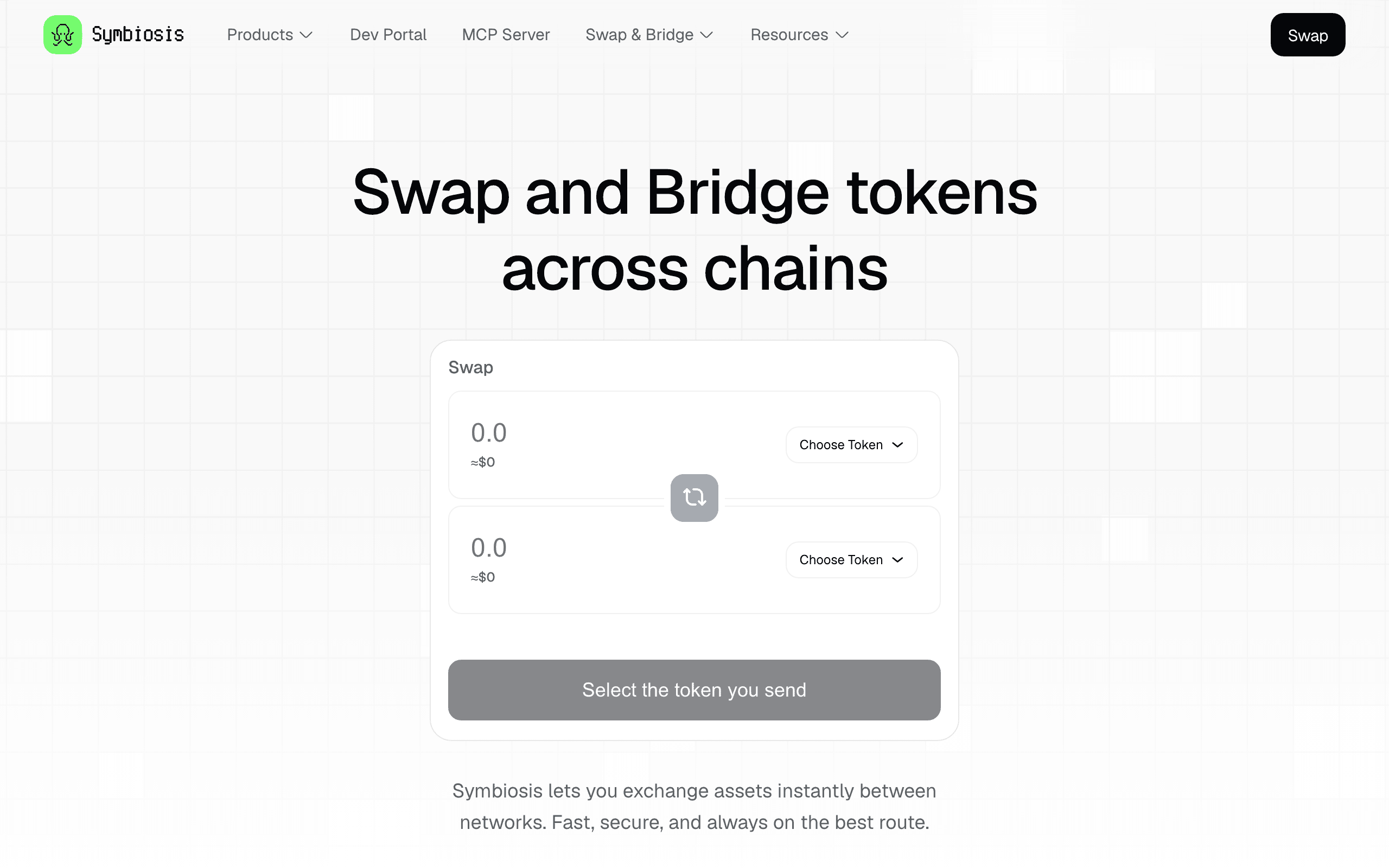
This review focuses exclusively on Symbiosis Protocol, drawing from its official documentation and available market commentary. Real user sentiment and operational details are examined to provide a grounded assessment of its performance, costs, and risks as of mid-2026.
What is Symbiosis Protocol?
Symbiosis Protocol functions as a multi-chain liquidity protocol that enables users to swap tokens across EVM and select non-EVM networks in a single transaction. It addresses liquidity fragmentation by combining automated market maker mechanics with cross-chain bridging capabilities. The system maintains on-chain liquidity pools on various chains and uses a relayer network to coordinate transfers.
The protocol launched with an emphasis on unified asset movement without forcing users to navigate separate bridges or DEXes. By mid-2026 its coverage includes major ecosystems such as Ethereum, BNB Chain, Arbitrum, Optimism, Polygon, Solana, Tron, Bitcoin, Avalanche, Base and others, totaling more than 50 networks according to project materials. This breadth positions it for traders handling assets on both popular and emerging chains.
Market observers note its hybrid approach of AMM pools paired with threshold signature custody for certain operations. This design aims to balance speed and security while supporting long-tail tokens that may lack deep liquidity on single-chain venues. Documentation updated in January 2026 outlines the core smart contracts and relayer groups responsible for execution.
How Symbiosis Protocol Works
The one-click omni-chain routing begins when a user selects source and destination assets plus chains through the interface. The protocol then identifies optimal routes by querying aggregated liquidity across its pools and partner sources. A single transaction on the source chain initiates the entire flow, including any necessary bridging steps handled by the relayer network.
Relayers are divided into specialized groups that manage proof-of-stake validation and cross-chain messaging. Once initiated, the system locks or burns assets on the source side and mints or releases equivalent value on the destination chain. Users receive the output tokens directly in their wallet without intermediate steps or account creation.
The cross-chain AMM component helps rebalance liquidity between pools on different chains, reducing slippage for larger or less common trades. Gas fees on both chains are covered through withholding mechanisms detailed in the fees documentation. This architecture minimizes user friction compared with traditional bridge-then-swap sequences that require multiple approvals and waits.
As of July 2026 the process remains non-custodial, meaning user funds stay in self-custody wallets throughout. The protocol does not hold assets in centralized accounts for standard operations.
Key Features of Symbiosis Protocol
One standout capability is the aggregation of liquidity from both decentralized exchanges and select centralized sources, allowing routes that pure on-chain AMMs might miss. This supports swaps involving stablecoins, major cryptocurrencies and emerging tokens across the supported networks.
The protocol offers dedicated bridges for specific high-demand pairs, such as Bitcoin to EVM chains or Solana integrations, reducing complexity for users moving assets between ecosystems. Developers can access SDKs, APIs and widgets for integration into wallets or applications.
Additional features include support for private swap flows in select cases and routing that prioritizes cost or speed depending on user preferences. The system continuously monitors pool balances to maintain competitive pricing. Community discussions on platforms like Reddit highlight the flexibility for routes involving less common chains where other solutions may lack coverage.
Practical examples include swapping USDC on Base to SOL on Solana or bridging BTC to an Arbitrum wallet in one flow. These scenarios benefit users who manage portfolios spanning multiple blockchains without maintaining separate liquidity on each.
Fees and Pricing Explained
Transaction costs on Symbiosis Protocol comprise gas fees on the origin and destination chains plus protocol-specific cross-chain fees. The official fees documentation from January 2026 explains that users ultimately bear both on-chain gas and the cross-chain component through withholding at the point of swap initiation.
Cross-chain fees compensate the relayer network and liquidity providers. Amounts fluctuate with network congestion, trade size and chosen route, typically expressed as a percentage or fixed component deducted from the output. No fixed subscription or account fees apply since operations are permissionless.
For a typical stablecoin swap between two EVM chains, total costs might range from a few dollars in gas plus a small protocol fee, though exact figures require checking the live interface for current conditions. Larger or more complex routes involving non-EVM chains incur higher variable expenses due to additional messaging and validation steps.
Users should compare quotes before execution, as the protocol surfaces multiple route options with estimated final amounts. Documentation notes that gas refunds or adjustments occur automatically in some flows to keep the experience predictable.
Security and Audits
Security for Symbiosis Protocol centers on its smart contract architecture, relayer threshold signatures and on-chain verification mechanisms. The use of threshold signature wallets for custody elements reduces single points of failure compared with fully centralized bridges.
Official documentation details the split of relayer responsibilities into four groups for validation and messaging integrity. No major incidents or exploits specific to the protocol appear in 2026 reports from reputable sources. However, like all cross-chain systems, it carries smart contract and bridge risk that users must evaluate independently.
Audits are referenced in project resources, though comprehensive public summaries from 2026 are limited in mainstream coverage. Participants are advised to review the latest audit reports directly via the documentation portal before large transactions. The non-custodial model limits systemic exposure since funds never leave user control.
Ongoing monitoring of the relayer network and pool health contributes to operational resilience. Market analyses from 2026 position it as a middle-ground option between intent-based solvers and pure AMM bridges in terms of risk profile.
User Reviews and Reputation
Feedback from users in 2026 appears in forums and review aggregators. Positive comments frequently mention the intuitive interface, wide chain support and reliable execution for cross-chain transfers. Reddit threads on communities such as r/BASE note the speed and variety of routes available through the mini app experience.
Trustpilot entries for symbiosis.finance include users who have relied on the service for over a year, citing accurate pricing, fast settlements and strong UX for repeated cross-chain activity. Some highlight its utility for moving assets to networks with limited native liquidity options.
Criticisms center on occasional delays during high congestion periods or higher fees for complex routes involving multiple hops. A subset of reviewers note that stablecoin pricing can sometimes lag behind dedicated solver networks. Overall sentiment remains constructive among active DeFi participants who value the one-transaction convenience.
Data on aggregate ratings remains modest compared with larger protocols, reflecting the specialized nature of the user base. No widespread complaints about lost funds or systemic failures surfaced in recent searches.
Pros and Cons
Pros
- Single-transaction execution across 50+ networks reduces steps and potential errors.
- Strong coverage of long-tail assets and non-EVM chains through aggregated liquidity.
- Non-custodial design keeps users in control of funds at all times.
- Developer tools including SDKs and widgets facilitate integrations.
- Transparent fee structure documented publicly with mechanisms for gas handling.
Cons
- Variable fees can exceed those of pure intent-based alternatives for certain stablecoin trades.
- Limited public 2026 audit summaries make independent verification time-consuming.
- Performance on very large orders may face liquidity constraints typical of AMM models.
- Route availability depends on pool depth, which fluctuates with market conditions.
- User base and review volume remain smaller than top-tier bridges, limiting comparative benchmarks.
Who Is Symbiosis Protocol Best For?
The protocol suits active DeFi users managing portfolios across multiple blockchains who prioritize simplicity over absolute lowest fees. Concrete use cases include moving stablecoins from Layer-2 networks to Solana for yield opportunities, bridging Bitcoin holdings into EVM DeFi without wrapped tokens, or executing swaps involving assets on Tron or TON where other aggregators have thinner coverage.
It fits traders handling mid-sized positions in long-tail tokens that benefit from the cross-chain AMM rebalancing. Developers building wallets or Telegram applications may find the API and widget infrastructure practical for embedding routing functionality.
When a different option is preferable: users focused exclusively on major stablecoin pairs between a handful of EVM chains might achieve better pricing or speed with intent-based solvers. Very large institutional flows could benefit from OTC desks or dedicated bridges with deeper capital efficiency. Those requiring guaranteed anonymity beyond standard non-custodial operation should evaluate privacy-specific tools separately.
Symbiosis Protocol Alternatives in Context
For context, other cross-chain solutions exist with differing emphases. Some prioritize speed for stables while others maximize asset coverage. Symbiosis Protocol distinguishes itself through its combined AMM and bridging model rather than pure solver or messaging approaches.
At Baltex, our non-custodial crypto swap aggregator supports 200+ networks and delivers similar instant cross-chain functionality through aggregated liquidity sources, giving users additional routing options right within the ecosystem.
Verdict: Is Symbiosis Protocol Worth It?
Symbiosis Protocol provides a functional one-click solution for omni-chain routing that delivers on its promise of reduced complexity for cross-chain swaps. Its main strength lies in broad network support and liquidity aggregation for diverse assets, making it particularly useful as of July 2026 for users operating beyond the most liquid pairs.
The primary drawback remains fee variability and the need for users to monitor route quotes closely. With no major security incidents reported recently and positive user notes on reliability, it represents a solid option within the competitive bridge landscape. Overall it earns a recommendation for those whose workflows match its coverage strengths, provided they conduct their own due diligence on current conditions.
Final assessment: viable for regular cross-chain activity with realistic expectations around costs and liquidity depth.
Additional Considerations for 2026 Users
Market conditions in 2026 favor protocols that handle both EVM and non-EVM flows efficiently. Symbiosis Protocol's relayer design and pool system position it well for continued relevance amid growing multi-chain adoption. Participants should stay updated via official channels for any protocol upgrades or expanded integrations.
Risk management remains essential: start with small test transactions, review live fee estimates and understand the implications of each route before committing larger amounts. The non-custodial nature aligns with broader DeFi principles of self-sovereignty.
This concludes the focused examination of Symbiosis Protocol. Future updates will reflect any material changes in features, fees or ecosystem dynamics.
We cover this in more detail in Across Protocol Review: The Cheapest Bridge for Ethereum L2s.
We cover this in more detail in Across Protocol Review: The Cheapest Bridge for Ethereum L2s.
For more on this, see our guide on Linea Bridge Tutorial: Cheapest Ways to Move ETH (July 2026).
For more on this, see our guide on Linea Bridge Tutorial: Cheapest Ways to Move ETH (July 2026).