 5 minutes to read
 Ecosystem
XRP Price Prediction: What Will XRP Be Worth in 2030?
XRP, the native digital asset of the XRP Ledger, powers efficient cross-border payments and tokenization. XRP continues to evolve amid regulatory progress and institutional interest as of July 2026.
Current price hovers around $1.07, reflecting modest gains from earlier in the year. This analysis examines expert forecasts through 2030 using data from Binance, CoinCodex and other sources.
Current XRP Market Snapshot (July 2026)
As of July 13 2026, XRP trades between $1.06 and $1.09 on major platforms. Circulating supply exceeds 62 billion tokens with market capitalization near $68 billion. Recent 24-hour changes show slight volatility around 2%. Historical performance includes recovery from 2024-2025 lows driven by regulatory clarity on Ripple's operations.
Key metrics include average daily volume exceeding $1 billion and growing on-chain activity for payments. XRPL processes thousands of transactions per second at fractions of a cent in fees, positioning it for real-world utility beyond speculation.
How High Will XRP Go by 2030?
Analysts project a range of outcomes. Binance models suggest an average of $1.29 by 2030 based on steady 5% annual growth assumptions. CoinCodex forecasts $3.75 under bullish scenarios incorporating increased adoption.
More optimistic views from Motley Fool analysts target $5, citing Ripple's stablecoin expansion and tokenization trends. These figures assume continued regulatory tailwinds and broader crypto market expansion. Conservative estimates stay closer to $1.30 while aggressive ones exceed $10 in select models.
Each prediction ties to specific catalysts such as ETF approvals or major bank integrations. Investors should review primary sources like Binance for methodology details.
Ripple and XRPL: Core Fundamentals
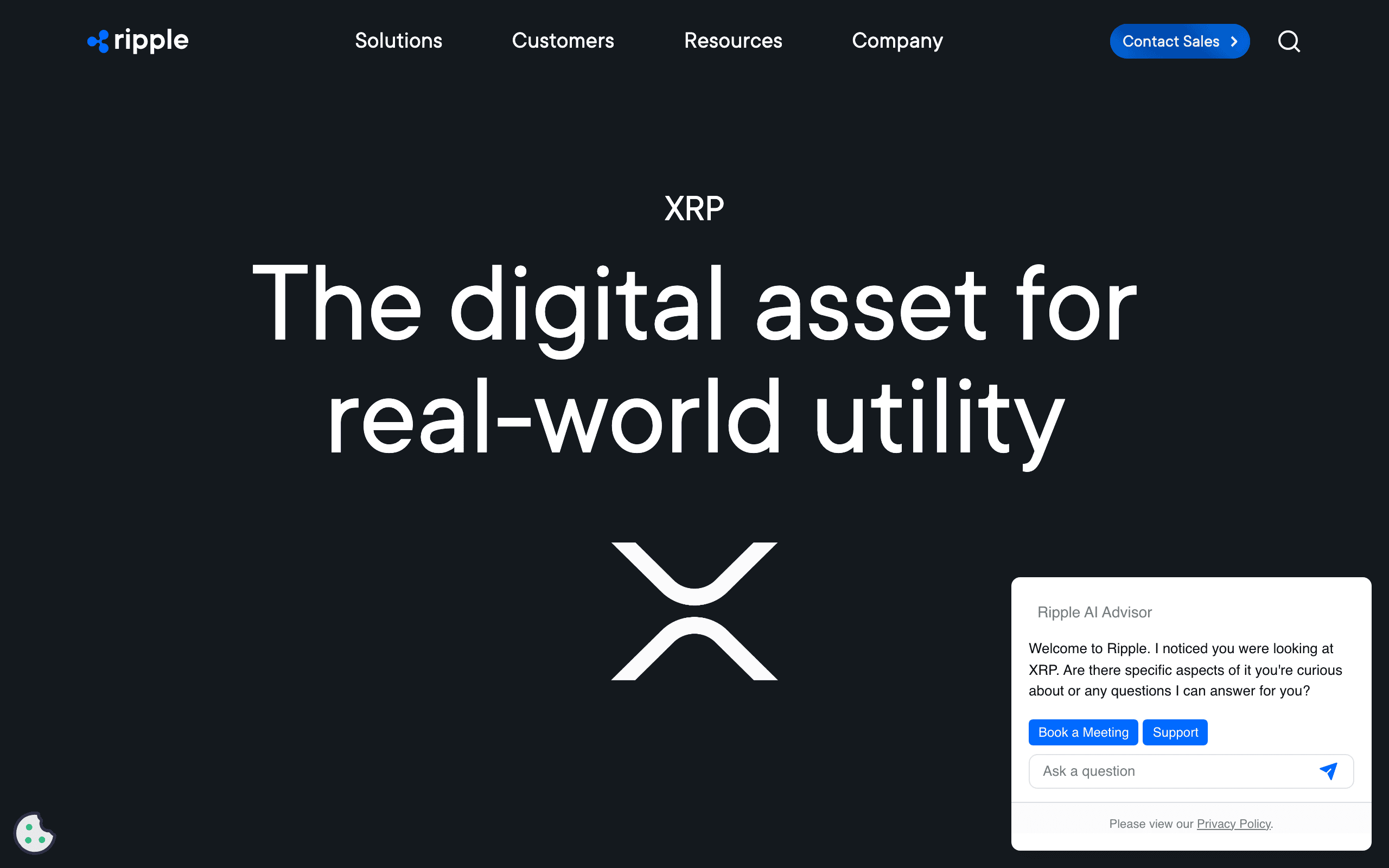
Ripple develops enterprise solutions using XRP for liquidity in cross-border transfers. The XRP Ledger operates as a decentralized Layer-1 blockchain maintained by a global validator network. It supports native tokens, NFTs and now tokenized real-world assets including US Treasuries.
Developers build on XRPL for payments and DeFi applications. Recent upgrades include enhanced smart contract capabilities via sidechains. This infrastructure supports use cases from remittances to institutional settlement.
Historical Price Performance and Key Milestones
XRP launched in 2012 and reached an all-time high near $3.65 in 2018. The 2020 SEC lawsuit caused prolonged uncertainty until partial resolution in 2023-2025. Prices recovered from under $0.50 to current levels amid improved sentiment.
Notable events include listings on major exchanges and partnerships with financial institutions. On-chain metrics show rising active addresses correlating with price movements during bull phases.
Expert Forecasts from Conservative to Bullish
Binance aggregates user inputs pointing to $1.29 by 2030. Coinbase models project $1.30 assuming modest growth rates. CoinCodex provides a $3.75 target tied to ecosystem expansion.
Motley Fool highlights a potential $5 level if Ripple's RLUSD stablecoin gains traction. Some analysts reference higher figures up to $10-$28 in long-term scenarios involving massive market cap growth to hundreds of billions.
These forecasts incorporate variables like adoption rates and macroeconomic conditions. Readers can cross-reference with CoinCodex for detailed models.
Factors Influencing XRP Price Through 2030
Adoption drives utility demand as banks and payment providers integrate XRPL for settlements. Growing tokenized asset volume on the ledger adds fundamental value.
Regulation remains pivotal following the SEC case. Clearer global frameworks could unlock institutional flows. Positive rulings in key jurisdictions boost confidence.
Macro environment affects risk assets broadly. Lower interest rates and equity market strength historically support crypto rallies. Inflation hedging narratives also play a role.
Technology improvements including better interoperability with EVM chains and Solana enhance XRP's competitive position. Privacy features via Monero routing options add versatility.
Practical Use Cases for XRP and XRPL
XRP excels in cross-border payments where speed and cost matter. Remittance corridors benefit from near-instant finality. Tokenization of real-world assets opens new markets for fractional ownership.
When not to choose XRP: high-frequency trading or pure DeFi yield farming may favor other chains with deeper liquidity pools or different fee structures. Always evaluate specific needs against alternatives.
Where to Acquire and Trade XRP
Major centralized exchanges list XRP pairs. For non-custodial options, Baltex serves as a non-custodial crypto swap aggregator enabling instant cross-chain exchanges across 200+ networks and 10,000+ assets without registration for most swaps. Users retain control of funds throughout.
Baltex aggregates liquidity from CEX, DEX and other providers for optimal routing. It supports private swaps via Monero-based flows while performing AML screening. This makes it suitable for users seeking quick, account-free access to XRP.
Risks and Considerations for Long-Term Holders
Volatility remains inherent to crypto. Regulatory shifts, competition from other payment tokens and macroeconomic downturns pose challenges. Diversification and dollar-cost averaging help manage exposure.
No investment advice is provided here. Conduct independent research and consider personal financial circumstances before any decisions.
Key Points
- XRP trades near $1.07 in July 2026 with forecasts ranging $1.29-$5 by 2030.
- XRPL offers fast, low-cost transactions ideal for payments and tokenization.
- Regulatory clarity and adoption are primary catalysts.
- Baltex provides non-custodial swap access for XRP across multiple chains.
- Conservative models assume steady growth; bullish ones require significant ecosystem expansion.
Closing Thoughts
XRP's trajectory depends on execution by Ripple, community development on XRPL and broader market dynamics. Forecasts serve as reference points rather than guarantees. Continued monitoring of on-chain metrics and regulatory developments offers the best insight for informed perspectives.
You can read our full breakdown in Can XRP Decouple From Bitcoin? Decoupling Scenarios for 2026.
You can read our full breakdown in Can XRP Decouple From Bitcoin? Decoupling Scenarios for 2026.
You can read our full breakdown in Can XRP Decouple From Bitcoin? Decoupling Scenarios for 2026.
Related reading: Top Platforms to Buy XRP in 2025 – Ranked for Speed & Safety.