



 5 minutes to read
 Ecosystem
How to Swap TON to USDT: Fees, Networks and Step-by-Step Guide (November 2026)
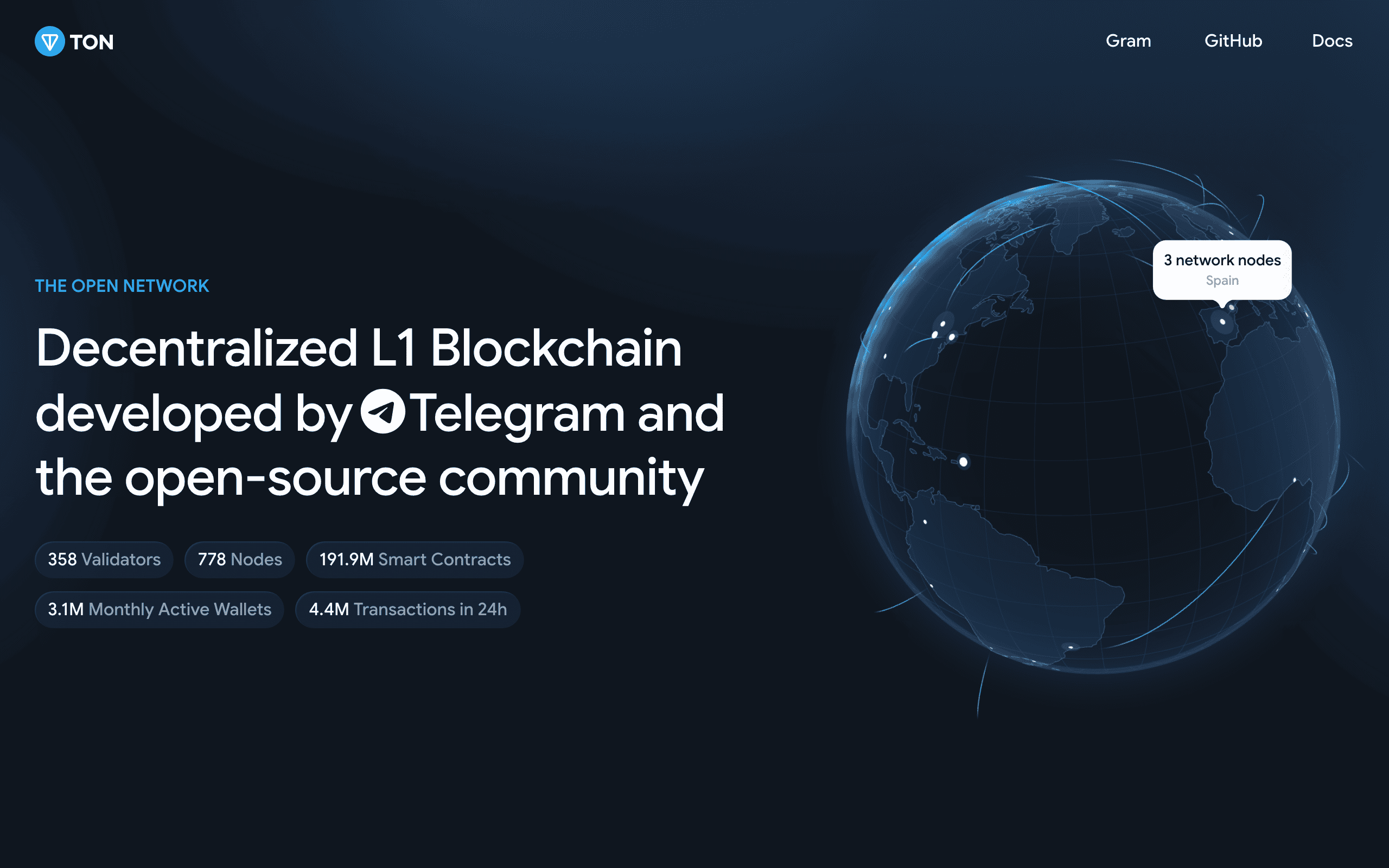
TON is The Open Network, a high-speed Layer-1 blockchain known for near-zero fees and sub-second finality. Swapping its native token TON to USDT lets users move value into a stablecoin for trading, payments or transfers across ecosystems. As of November 2026, this process is straightforward via non-custodial aggregators that pull liquidity from multiple sources without holding user funds.
Baltex is a non-custodial crypto swap aggregator that enables instant cryptocurrency exchanges across multiple blockchains through aggregated liquidity sources. It supports TON natively and routes swaps to USDT on various networks like Tron, Ethereum and Solana.
TL;DR Quick Answer
To swap TON to USDT: 1) Prepare a compatible wallet and choose your preferred USDT network. 2) Visit a non-custodial aggregator such as Baltex, select TON as send and USDT as receive. 3) Enter amount, review live quote with fees, paste your USDT address. 4) Send exact TON amount to the shown deposit address from your wallet. 5) Wait for confirmations and receive USDT. Detailed steps and fee breakdowns follow.
What You'll Need
Before starting, gather these essentials. A self-custodial TON wallet like Tonkeeper or MyTonWallet with some TON for the swap and network fees (typically 0.005-0.03 TON as of November 2026). A receiving wallet or exchange address for USDT on your chosen network—common options include TRC20 (Tron, addresses starting with T), ERC20 (Ethereum, 0x...), BEP20 (BNB Chain, 0x...) or native on TON. Ensure you have the exact address copied correctly. No registration or KYC is needed for most swaps on platforms like Baltex. Have a small buffer of the sending network's native token for gas. Test with a tiny amount first if new to the process. Understand that networks are incompatible—sending to the wrong USDT network results in permanent loss.
Step 1: Choose Your USDT Receiving Network
Select the USDT network that matches your wallet or destination. As of November 2026, TRC20 on Tron remains popular for low fees around $2.1 per transfer when paying in TRX, while Solana offers under $0.001 and TON itself around $0.03. Ethereum ERC20 costs about $0.52 but offers broad compatibility. Compare based on your wallet support and fee tolerance—data from live trackers shows Optimism and Polygon as even cheaper alternatives under $0.002 in many cases. This choice determines the deposit address format and final delivery speed. Always verify the network label before proceeding to avoid mismatches.
Step 2: Access a Non-Custodial Aggregator
Open Baltex at baltex.io or another aggregator supporting the pair. No account creation is required for standard swaps. Navigate to the swap interface and confirm TON and USDT are available. The platform aggregates liquidity from CEX, DEX and other providers for optimal routing. Enter your swap details next. Baltex stands out for its support of 200+ networks including TON and 10,000+ assets, with options for private routing where applicable. Review any compliance notes—the service performs AML screening on flagged transactions but does not require KYC for most users.
Step 3: Enter Amount and Review the Quote
Input the TON amount you wish to swap. The interface displays the expected USDT received, estimated fees, rate and any slippage tolerance. As of November 2026, typical total costs range 0.1-1% combining network fees and service spread, varying with market conditions and route. For example, swapping 100 TON might yield approximately 98-99 USDT after deductions depending on networks. Check minimums and maximums. The quote updates live. Note the exact deposit address, amount and any memo if required. Double-check everything—typos here lead to lost funds. Platforms like Baltex show transparent breakdowns before confirmation.
Step 4: Send TON from Your Wallet
Copy the one-time deposit address shown. Open your TON wallet such as Tonkeeper, paste the address, enter the exact amount from the quote and confirm the transaction. TON network fees are minimal, often under $0.03 as of November 2026. Monitor the transaction on a block explorer like Tonviewer. Save the swap ID or transaction hash for tracking. Do not send extra or less than quoted. Your funds move directly without intermediaries holding them. Baltex and similar services generate fresh addresses per swap for security.
Step 5: Track and Receive USDT
Follow the status on the aggregator dashboard. TON confirms quickly, often in seconds, after which the platform routes and delivers USDT. Delivery times range from under a minute on fast networks like Solana to 5-30 minutes on others. Once complete, verify the USDT balance in your receiving wallet. If delays occur, check network status and contact support with your swap ID. Most swaps complete automatically without further action.
How Much Does It Cost?
Fees break into network costs and aggregator spread. TON network fees for sending are low at approximately 0.005-0.03 TON ($0.005-$0.03). Receiving USDT varies: TRC20 ~$2.1, Solana <$0.001, Ethereum ~$0.52 as of November 2026 per live fee trackers. Aggregator service fees typically 0.1-0.8% embedded in the quote. Total for a mid-sized swap might be 0.5-1.5% all-in. Larger amounts benefit from better rates due to liquidity depth. Always review the live quote for your specific amount and networks. No hidden fees on transparent platforms.
How Long Does It Take?
End-to-end time averages 5-20 minutes as of November 2026. TON confirmation is near-instant. Cross-chain routing adds seconds to minutes depending on destination chain congestion. Factors include chosen networks, amount and current blockchain load. Track via the swap ID. Faster options like Solana or Tron destinations minimize waits compared to Ethereum mainnet.
Is It Safe?
Non-custodial swaps keep you in control—funds never leave your wallet until you send, and you receive directly. Risks include address errors, phishing sites and network mismatches. Mitigate by using official aggregator domains, verifying URLs, enabling wallet confirmations and starting small. Baltex performs AML screening but emphasizes user responsibility for address accuracy. Avoid sharing seed phrases or clicking suspicious links. Reputable platforms display clear warnings and refund mechanisms for failed swaps.
Common Mistakes and Troubleshooting
Mistake 1: Wrong network for USDT—always match exactly or funds vanish. Fix: Double-check labels before sending. Mistake 2: Sending incorrect amount—quotes are precise. Fix: Copy the exact figure shown. Mistake 3: Using custodial exchange addresses without memo—may fail. Fix: Use self-custodial wallets. If stuck, monitor explorer and contact support promptly with transaction details. Testnet practice helps build familiarity.
Practical Use Cases and When to Choose Alternatives
This swap suits users needing stable value on TON for Telegram mini-apps, payments or DeFi, or moving to other chains for broader liquidity. Ideal for privacy-conscious traders avoiding KYC or those in regions with limited banking. When a different option is better: If you need fiat on-ramps, use centralized exchanges; for complex DeFi strategies, direct DEX interactions on the target chain may suffice. Always assess your specific needs against fees and speed.
Background on TON and USDT in 2026
TON continues its growth with Telegram integration, powering fast, cheap transactions for millions. USDT on multiple networks provides stability amid volatility. Aggregators like Baltex bridge these ecosystems efficiently. Market data shows sustained demand for such pairs as users seek cross-chain flexibility. Concrete scenarios include converting TON rewards from mini-apps to USDT for spending or hedging.
Advanced Tips for Optimal Swaps
Monitor live fee trackers for best networks. Use private swap modes on supported platforms for enhanced routing where available, though no guarantees of full anonymity exist. Batch small swaps if fees allow. Keep wallets updated. For large amounts, split across routes if offered. Understand slippage settings—higher tolerance speeds execution but may cost more. Stay informed via official project resources.
Regulatory Considerations
Laws vary by jurisdiction—US and EU users should check local crypto rules on taxes and reporting. Swaps may trigger taxable events. Non-custodial nature reduces some compliance burdens but does not eliminate AML possibilities. Consult professionals for your situation. Platforms note potential reviews for flagged activity.
Conclusion and Next Steps
Swapping TON to USDT in November 2026 is accessible and efficient with the right preparation. Follow the numbered steps, prioritize address verification and leverage aggregators like Baltex for seamless execution. Start with small tests to gain confidence. Broader market context shows these tools maturing rapidly for everyday crypto use.
We cover this in more detail in SimpleSwap Review 2026: Pros, Cons, and Monero Exchange Fees.
What is the best network to receive USDT when swapping from TON?
How much does it cost to swap TON to USDT in 2026?
Do I need KYC to swap TON to USDT?
How long does a TON to USDT swap take?
Is swapping TON to USDT safe?
Can I swap directly in a TON wallet?
What if my swap fails or funds are lost?
See others posts
G. Khan

Why Is My Crypto Swap Taking So Long (November 2026)
Ecosystem
G. Khan
How to Recover Funds Sent Without a Memo or Destination Tag (November 2026)
Ecosystem
G. Khan
Sent Crypto to the Wrong Network? How to Recover It (2026)
Ecosystem
G. Khan
Fixed Rate vs Floating Rate Crypto Exchange: Which to Choose (2026)
Ecosystem
G. Khan
How to Swap LTC to BTC: Fees, Networks and Step-by-Step Guide (November 2026)
Ecosystem
G. Khan
How to Swap XRP to USDT (November 2026)
Ecosystem