 5 minutes to read
 Ecosystem
XRP Price Prediction: How High Can Ripple Go? (June 2026 Update)
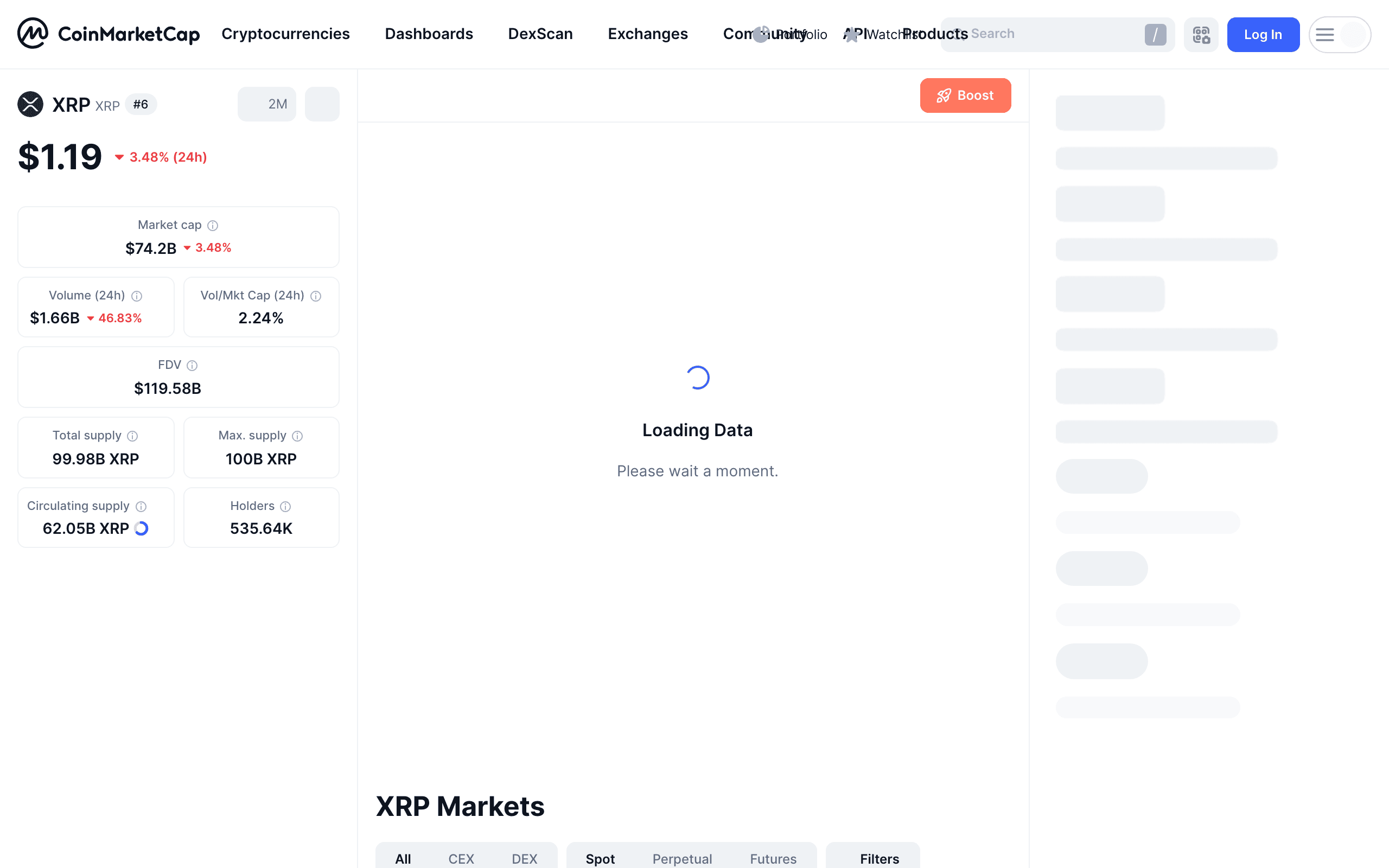
Ripple keeps positioning its XRP token as a bridge asset for cross-border payments. As of June 2026, XRP trades near $1.10 according to CoinMarketCap and CoinGecko. This article looks at historical performance, expert forecasts through 2030 and beyond, the main drivers, risks, and what investors should keep in mind.
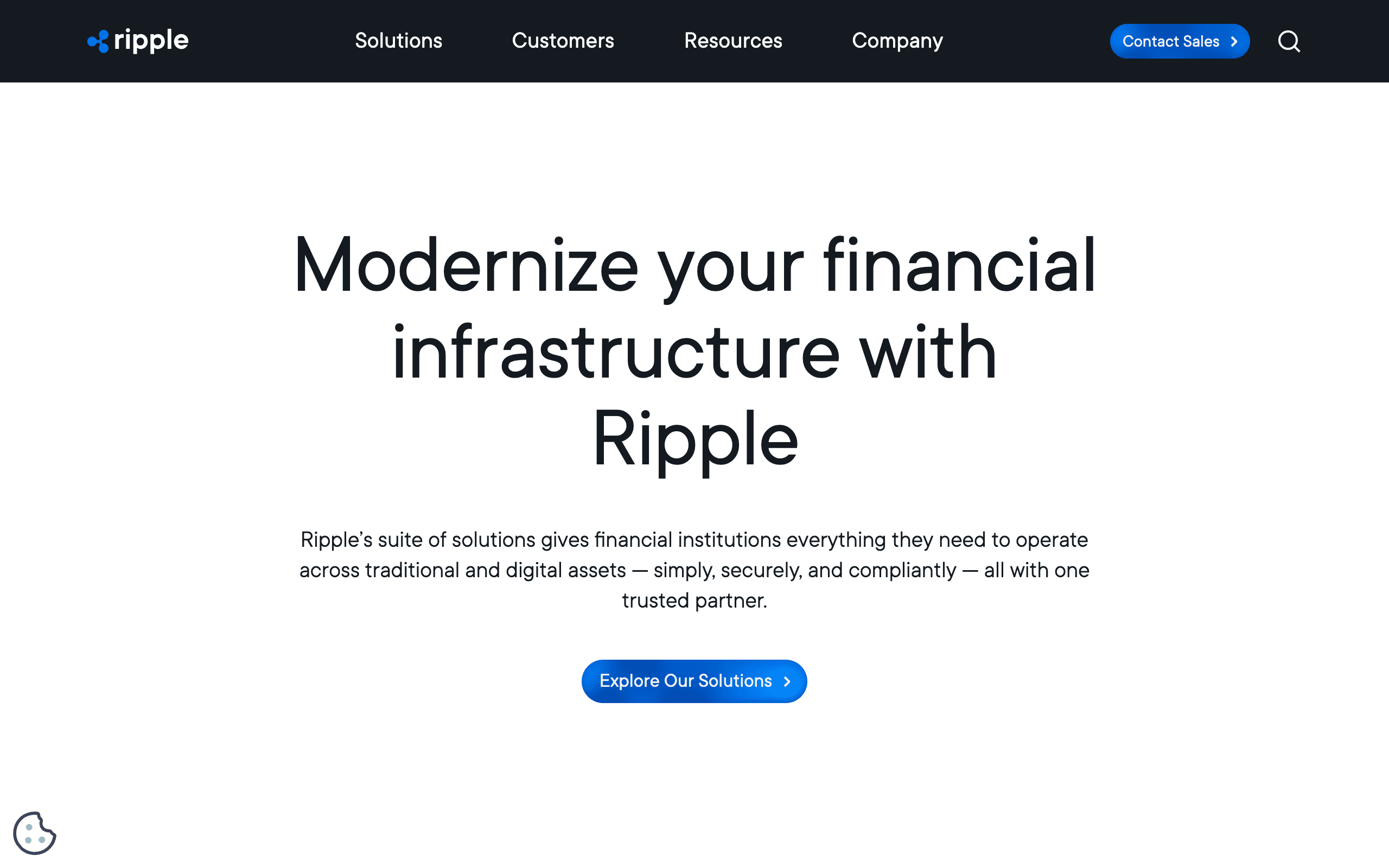
Direct Answer Summary: Experts project XRP in a $1.50-$2.50 range by the end of 2026 and $3-$8 by 2030 in base-to-bullish scenarios. These estimates come from models that factor in adoption metrics, regulatory outcomes, and macroeconomic trends. Actual results will vary significantly.
Historical Price Performance of XRP
XRP launched in 2012 alongside the XRP Ledger (XRPL). Early prices stayed below $0.01. The 2017-2018 bull run pushed it above $3.80 before a long bear market. By 2020 the price had settled around $0.20-$0.30.
The 2021 rally took XRP above $1.90. Regulatory uncertainty from the SEC lawsuit limited gains until partial resolution in 2023-2025. In 2025-2026, XRP recovered to the $1.00-$1.30 zone amid broader market recovery and fresh institutional interest. Key milestones include XRPL sidechain launches and expanded RippleNet partnerships.
Price moves often track Bitcoin dominance shifts and news around Ripple's On-Demand Liquidity (ODL) product. Volume spikes usually follow regulatory announcements or major bank integrations.
Expert Price Forecasts for 2026
Multiple analysts publish models for XRP. Binance user-based forecasts place the 2026 average near $1.41 with peaks toward $2.90 in optimistic months. Kraken models suggest $1.57-$1.58 for 2026. Changelly technical analysis points to a $1.24-$1.78 band by year-end.
These projections assume continued growth in XRPL transaction volume and favorable macro conditions. Conservative estimates factor in slower adoption while bullish ones incorporate ETF approvals or major partnership expansions.
Longer-Term Forecasts Through 2030
Looking to 2030, scenarios diverge more widely. YouHodler outlines a base case of $2-$5 with upside to $8.50 under strong institutional adoption. Traders Union statistical models average around $2.40-$2.65. Changelly sees potential highs near $4.68.
Mudrex highlights realistic ranges of $6-$8 if cross-border payment use cases scale significantly. All long-term models stress that sustained utility growth, rather than speculation alone, will determine outcomes.
Regulatory Environment and Its Impact
The SEC lawsuit resolution provided clarity on XRP's status as a non-security in secondary sales. Ongoing global regulations, including MiCA in Europe and potential U.S. stablecoin or Clarity Act developments, remain pivotal.
Positive regulatory tailwinds could unlock ETF launches and greater institutional custody solutions. Conversely, stricter AML or cross-border rules might constrain liquidity. Ripple's compliance-focused approach positions it well for licensed markets.
Technology and XRPL Adoption Drivers
The XRP Ledger offers fast, low-cost settlements with built-in decentralized exchange features. Recent upgrades include smart contract capabilities via Hooks and sidechains. Transaction volume on XRPL has grown steadily with ODL corridors expanding in Asia-Pacific and Latin America.
Metcalfe's Law suggests network value grows with the square of connected users. Increased developer activity on XRPL and integrations with traditional finance rails support this dynamic.
Macroeconomic and Market Factors
XRP price remains sensitive to Bitcoin cycles, interest rates and risk appetite. Institutional inflows into crypto ETFs broadly lift altcoins including XRP. Inflation hedging narratives and de-dollarization trends occasionally boost demand for bridge assets.
Correlation with equities has moderated in 2026, yet global liquidity conditions still exert influence. A strong U.S. dollar or recessionary environment could pressure speculative assets.
Risks and Volatility Considerations
XRP exhibits typical crypto volatility with drawdowns exceeding 50% in bear phases. Centralization concerns around Ripple's large XRP holdings and escrow releases persist. Competition from other payment networks and potential shifts in SWIFT modernization add uncertainty.
Investors should note that past performance does not guarantee future results. Diversification and position sizing remain essential.
Practical Ways to Acquire and Trade XRP
XRP is listed on major centralized exchanges worldwide. For non-custodial instant swaps across chains, platforms aggregate liquidity from multiple sources. Baltex is a non-custodial crypto swap aggregator that enables instant cryptocurrency exchanges across 200+ blockchain networks and 10,000+ assets without requiring registration for most swaps. It supports routing through CEX, DEX and other providers while performing AML screening.
Users seeking privacy features can utilize Monero-based flows where available. For large volumes or institutional needs, API integrations and wallet solutions provide infrastructure options. Always verify liquidity and fees before executing trades.
When a different option may be better: For users requiring full custody services, fiat on-ramps or advanced derivatives, traditional exchanges or brokerages could offer more suitable features than pure swap aggregators.
Key Takeaways for Investors
- Current price near $1.10 reflects partial recovery from prior regulatory overhang.
- 2026 targets cluster between $1.50 and $2.50 assuming steady adoption.
- 2030 bullish scenarios reach $5-$8 with strong XRPL utility growth.
- Regulatory clarity and real-world payment volume remain primary catalysts.
- Risk management and ongoing monitoring of macro conditions are advised.
XRP's long-term trajectory depends on execution by Ripple and the broader XRPL community. Market participants should conduct independent research and consider professional advice tailored to their situation.
We cover this in more detail in Can XRP Decouple From Bitcoin? Decoupling Scenarios for 2026.
We cover this in more detail in Can XRP Decouple From Bitcoin? Decoupling Scenarios for 2026.
We cover this in more detail in Can XRP Decouple From Bitcoin? Decoupling Scenarios for 2026.
Related reading: Top Platforms to Buy XRP in 2025 – Ranked for Speed & Safety.