 5 minutes to read
 Ecosystem
Connext Network Review (July 2026): Fast & Trustless Cross-Chain Transfers
Connext Network stands out in the crowded interoperability space for its emphasis on trustless design. In July 2026, cross-chain activity remains essential for DeFi users moving assets between Ethereum, its L2s, and other ecosystems. This review examines how Connext delivers fast transfers without introducing new trust assumptions.
What is Connext Network?
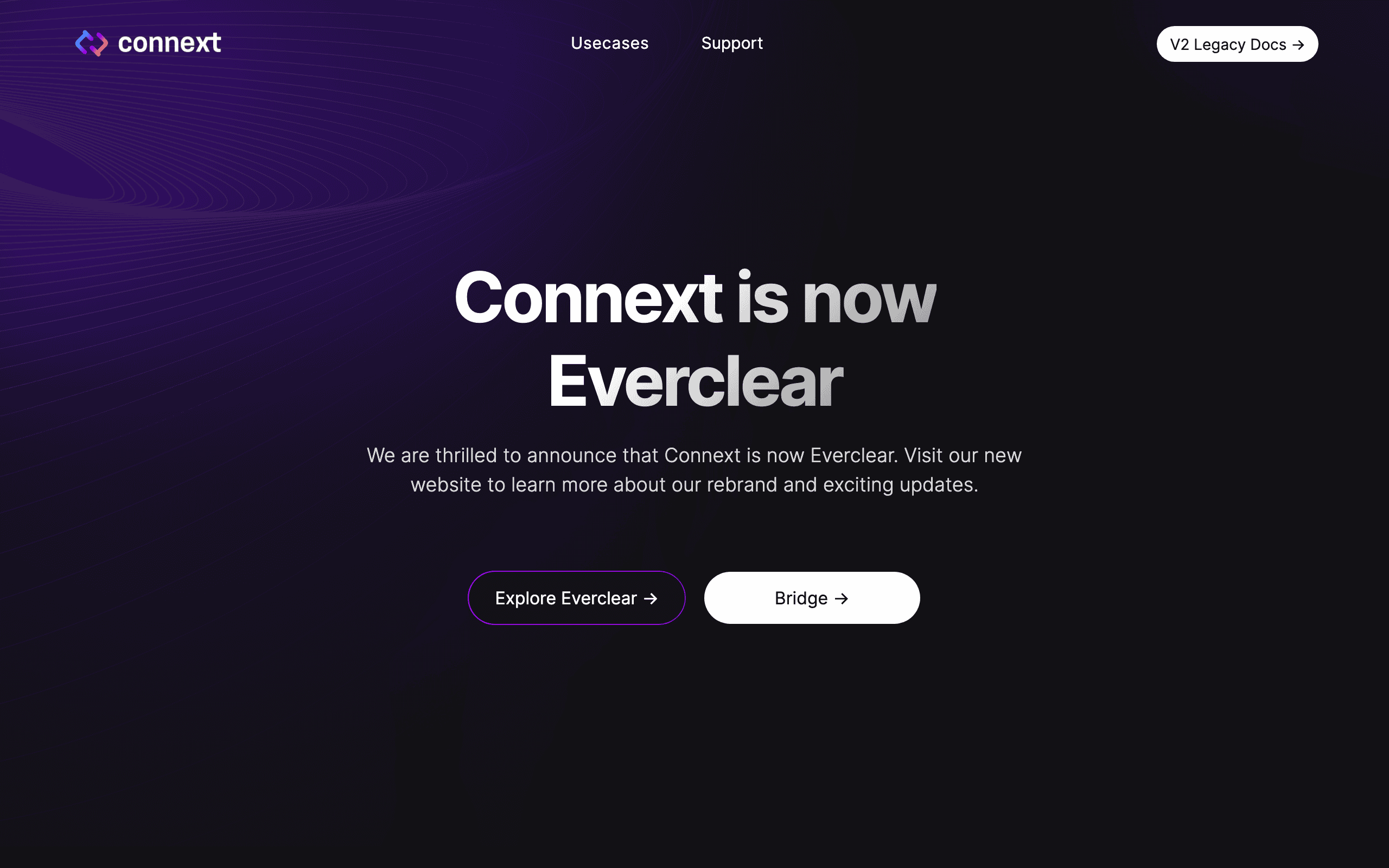
Connext Network is a trustless interoperability protocol designed for bridging assets and enabling cross-chain applications. Launched years ago and evolving through 2026, it focuses on asynchronous communication between chains using on-chain mechanisms rather than external validators or oracles. This approach minimizes risks seen in other bridges that rely on multisigs or committees.
The protocol gained attention for its bridge functionality that routes through canonical bridges where possible, avoiding additional security layers. As of July 2026, it supports transfers across Ethereum mainnet, Optimism, Arbitrum, and additional networks, facilitating both simple asset moves and more complex dApp interactions.
Users appreciate the non-custodial nature, where funds never leave user control during the process. Developers benefit from tools to build cross-chain smart contracts without the usual complexities. In a market where many bridges faced exploits, Connext's design prioritizes security through economic incentives and on-chain verification.
Market context in 2026 shows growing demand for reliable interoperability amid expanding L2 ecosystems. Connext positions itself as a secure option for users wary of centralized elements in competitors. Its rebranding discussions and continued development underscore ongoing relevance.
The protocol's history includes early focus on fast, cheap transfers between rollups. By 2026, it has matured to handle higher volumes while maintaining its core trustless principles. Limited public TVL data exists compared to larger protocols, but activity on supported routes remains steady according to explorer metrics.
How Connext Network Works
Connext operates through a combination of liquidity pools, routers, and bridge routing. When a user initiates a transfer, the system finds the optimal path, often leveraging native bridges for parts of the route to ensure security.
For example, moving USDC from Optimism to Arbitrum might involve the Optimism bridge to Ethereum then Arbitrum's canonical bridge, executed seamlessly. This avoids new trust points. Routers provide liquidity and are incentivized to fulfill transfers quickly.
The protocol uses intents for faster execution in some flows, allowing competing solvers to complete the transfer atomically. Settlement happens on-chain, with cryptographic proofs ensuring correctness.
Speed comes from optimized routing and reduced waiting times compared to waiting for multiple confirmations on slow bridges. Fees cover gas and a small protocol cut, kept low to encourage usage.
Security relies on the fact that no single entity controls funds. If a router fails, alternative paths or retries are available. This design has held up without major incidents reported through mid-2026.
Developers integrate via SDKs for building dApps that interact across chains natively. The monorepo on GitHub provides transparency into the code.
In practice, a transfer might take 5-15 minutes depending on chain congestion, significantly faster than some multi-hop alternatives that can take hours.
Key Features of Connext Network
Connext's standout feature is its trustless bridging, eliminating reliance on external validators. This sets it apart in 2026 when many protocols still use committees.
Support for multiple networks includes Ethereum and popular L2s like Optimism and Arbitrum. Expansion continues, though coverage is not as broad as some competitors with 30+ chains.
The explorer at connextscan.io allows users to track transfers in real time, providing transparency on volume and status.
Asynchronous messaging enables developers to build applications that operate across chains without synchronous calls, opening new DeFi possibilities.
Low fees are achieved through efficient routing and use of existing bridge infrastructure. No additional token is required for basic use.
Non-custodial swaps and transfers mean users retain control throughout. Integration with wallets is straightforward via the bridge portal.
For advanced users, pool participation offers yield opportunities through router incentives, though this carries smart contract risk typical of DeFi.
The protocol's focus on security audits and open-source code builds confidence. As of July 2026, no major exploits have compromised user funds.
Fees and Pricing on Connext Network
Fees on Connext as of July 2026 consist primarily of network gas costs plus a minimal protocol fee, often below 0.05-0.1% of transfer value. Exact amounts depend on the route, asset, and current gas prices.
For a typical Optimism to Arbitrum transfer, users might pay a few dollars in gas plus the protocol cut. This compares favorably to bridges with higher fixed fees.
No hidden charges or subscription models exist. Liquidity providers earn from fees and incentives, keeping the system sustainable.
Pricing transparency is available via the bridge interface before confirming. Users can compare routes to minimize costs.
In high-congestion periods, fees rise with gas but remain competitive due to the efficient design. No data suggests unusually high costs relative to peers.
Security of Connext Network
Security is Connext's core strength through its trustless architecture. No new trust assumptions are introduced beyond the underlying chains' security.
Audits from reputable firms have been conducted historically, with code open on GitHub for community review. The design avoids common bridge vulnerabilities like validator collusion.
Through July 2026, the protocol reports no loss of user funds from exploits. This track record contrasts with several high-profile bridge hacks in prior years.
Risks remain around smart contract bugs and liquidity issues on low-volume routes. Users should start with small amounts and monitor the explorer.
The use of canonical bridges for segments adds an extra layer of proven security. Economic incentives align routers with honest behavior.
Overall, the model is among the more secure options for cross-chain transfers in 2026, suitable for risk-averse users.
User Reviews and Reputation
User sentiment around Connext in 2026 is generally positive for its speed and security focus. On forums and X, users highlight fast transfers between L2s without the delays of other solutions.
Complaints are minimal but include occasional liquidity shortages on newer routes and higher gas during peaks. Many appreciate the no-KYC, non-custodial approach.
Expert coverage in crypto outlets notes its trustless edge, though adoption lags behind more marketed bridges. Limited TVL figures suggest steady but not explosive growth.
Reputation benefits from the clean security history. Developers praise the SDK for building cross-chain features.
Real experiences show reliable performance for standard transfers, with support via docs and community channels.
Pros and Cons
Pros:
- Trustless design reduces hack risks significantly.
- Fast transfers, often under 15 minutes.
- Low fees relative to gas costs.
- Open-source and audited code.
- No registration or KYC required for standard transfers.
Cons:
- Limited chain support compared to broader bridges.
- Liquidity can be thinner on niche routes.
- Dependent on underlying chain gas prices.
- Less marketing and visibility than top competitors.
- Data on current TVL and volume is sparse in public sources.
Who is Connext Network Best For?
Connext suits DeFi users needing secure, fast transfers between Ethereum L2s and mainnet without extra trust layers. Ideal for those prioritizing security over maximum chain coverage.
Developers building cross-chain dApps benefit from its messaging capabilities. Everyday users making occasional bridges appreciate the simplicity and speed.
It is less ideal for users needing support for dozens of obscure chains or very high-volume institutional transfers where liquidity depth matters most.
When a different option is better: For broad ecosystem coverage or instant swaps with high liquidity, alternatives may suit better despite added trust elements.
Connext Network Alternatives
For context, protocols like Across or Wormhole offer different trade-offs in speed or chain support. Connext's trustless focus differentiates it for security-conscious users.
Verdict: Is Connext Network Worth It?
Connext Network delivers on its promise of fast, trustless cross-chain transfers in July 2026. Its security model and efficiency make it a strong choice for specific DeFi needs, though broader adoption depends on liquidity growth. Worth trying for users on supported routes seeking minimal risk.
Baltex, as a non-custodial crypto swap aggregator supporting 200+ networks, provides a complementary tool for users looking to handle swaps alongside Connext transfers when additional liquidity routing is needed.
Always DYOR and start small. The protocol's track record supports cautious optimism for continued use.
Related reading: How to Swap Coins on Crypto.com: Fast Tutorial with Low Fees.
You can read our full breakdown in What Is the Arbitrum Bridge and Which Assets Does It Support.
Related reading: Linea Bridge Tutorial: Cheapest Ways to Move ETH (July 2026).
Related reading: Linea Bridge Tutorial: Cheapest Ways to Move ETH (July 2026).