5 minutes to read
 Ecosystem
A hardware wallet is a physical device designed to store cryptocurrency private keys offline. Tangem exemplifies this approach with its card-based design that keeps keys isolated from online threats.
Private keys are long alphanumeric strings that control access to cryptocurrency funds on the blockchain. They function like a master password or digital signature. Public keys derived from them serve as addresses visible to anyone. Losing or exposing a private key means permanent loss of funds, which is why secure storage is critical.
In traditional software wallets, private keys reside on internet-connected devices such as phones or computers. This exposure creates vulnerability to malware, phishing, and remote hacks. Hardware wallets solve this by generating and storing keys on a dedicated chip that never connects directly to the internet.
As of June 2026, major hardware wallet providers emphasize air-gapped designs where the device only activates for transaction signing. This separation creates an effective barrier against digital theft. For example, even if a user's computer is compromised, the private key remains safe inside the hardware device.
Understanding this foundation helps explain why hardware wallets suit long-term holders managing significant holdings. Everyday users benefit too by reducing the surface area for attacks compared to hot wallets that stay online continuously.
Hardware wallets rely on secure elements, which are specialized microchips certified for cryptographic operations. These chips generate random private keys during initial setup using true random number generators. The process happens entirely on the device, ensuring the seed never leaves it.
During setup, users receive a recovery seed phrase of 12 to 24 words. This phrase follows standards like BIP-39, allowing restoration on any compatible device. The seed derives all subsequent keys through hierarchical deterministic (HD) wallet technology, enabling multiple addresses from one backup.
The device also includes a small screen and buttons or touch interface for verifying transaction details. This display shows the exact amount, recipient address, and network fees before signing. Users confirm on the hardware itself, preventing malware from altering details on the connected computer.
Bluetooth or USB connections facilitate communication with companion apps, but the private key computation stays isolated. Some models like certain Ledger devices support Bluetooth for mobile use, while others prioritize USB-C for wired reliability. As of June 2026, advancements include improved secure element certifications such as EAL6+ in popular models.
The signing process begins when a user initiates a send or swap in a companion app or browser extension. The app prepares the unsigned transaction data, including inputs, outputs, and metadata.
This data transfers to the hardware wallet via the connection method. The device parses the information and displays it clearly on its screen. The user reviews details such as the destination address and amount, then enters a PIN or confirms physically.
Only after approval does the secure element use the private key to create a cryptographic signature. The signed transaction returns to the app for broadcast to the blockchain network. Throughout this flow, the private key never exits the hardware boundaries.
This mechanism works across networks including Bitcoin, Ethereum, and Solana. For multi-chain support, the device handles different signature schemes like ECDSA or EdDSA internally. Real-world examples show successful signing in under 30 seconds for standard transfers.
Users appreciate the transparency because any mismatch in displayed details signals potential tampering, prompting cancellation. This verification step adds a human layer of security absent in software-only solutions.
Initial setup starts with purchasing from official channels to avoid tampered devices. Unbox the unit and follow on-screen prompts to generate the seed phrase. Write the words on paper or metal backup plates and store them securely offline.
Next, create a PIN for device access. Test the recovery process immediately by restoring on a second device or simulator. This confirms the seed works before funding the wallet.
Firmware updates come signed by the manufacturer and install only after user verification on the device screen. As of June 2026, providers release regular updates addressing new threats and adding coin support.
Backup best practices include splitting the seed phrase across multiple secure locations and avoiding digital photos or cloud storage. Some users laminate metal plates for durability against fire or water damage. Regular testing of the backup ensures accessibility years later.
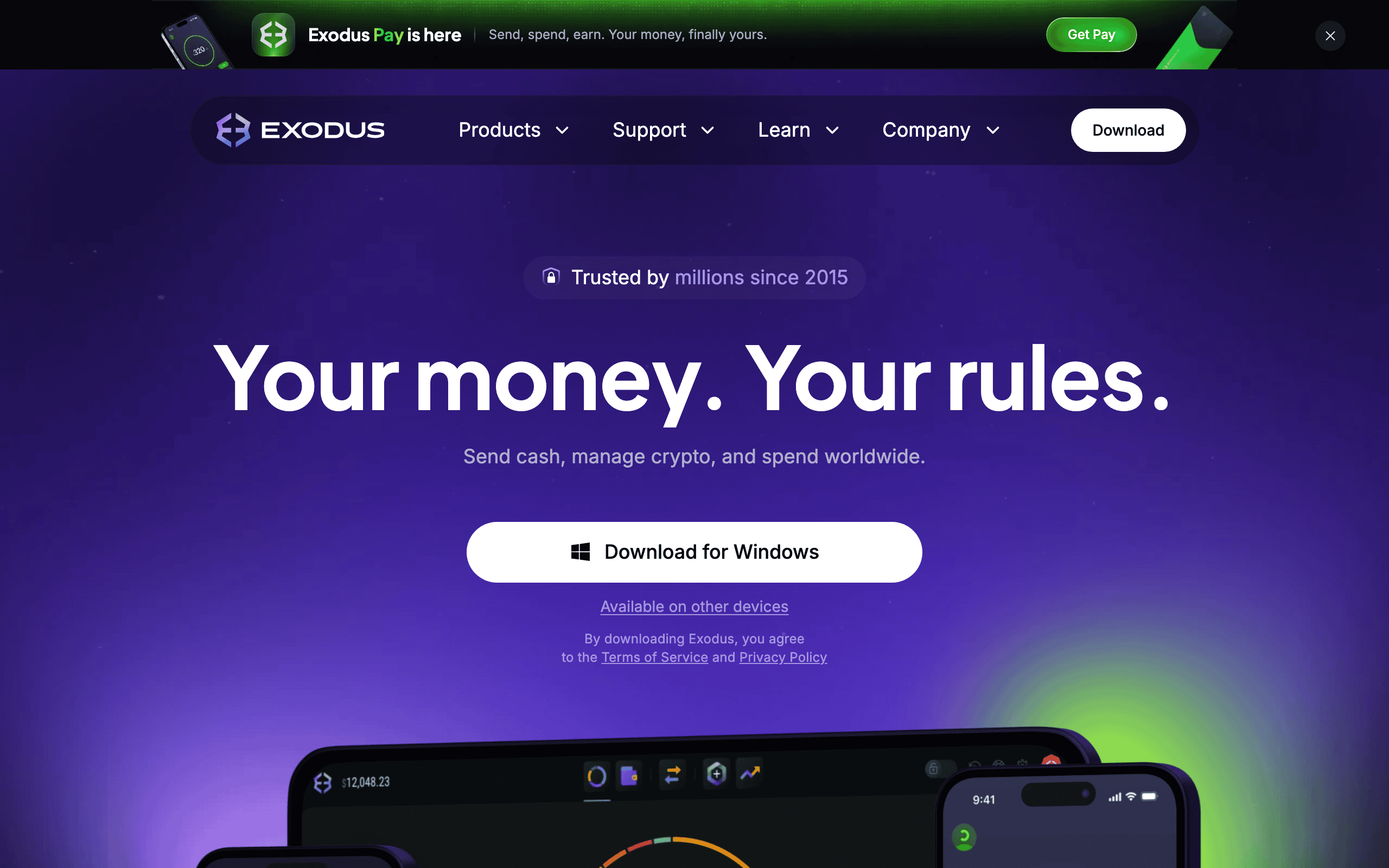
Software wallets like Exodus offer convenience for daily transactions but keep keys on connected devices. They suit smaller amounts or frequent trading where speed matters more than maximum isolation.
Hardware wallets excel for holdings above a few thousand dollars or long-term storage. They provide superior protection against remote attacks but require physical possession and occasional connection for use.
Key differences appear in threat models. A compromised phone can drain a software wallet instantly, while hardware requires physical theft plus PIN knowledge. Trade-offs include higher upfront cost for hardware, typically $50 to $300, versus free software options.
For users managing diverse portfolios, hardware wallets often integrate with multiple companion apps. This flexibility supports staking, lending, and swaps without moving assets to hot storage.
Advanced models include biometric authentication, secure displays, and open-source firmware for community audits. Air-gapped variants use QR codes for completely offline signing.
Limitations include the need for physical access during use and the risk of losing the device if backups are inadequate. Supply chain attacks remain a theoretical concern, mitigated by buying directly from manufacturers.
As of June 2026, no major hardware wallet has suffered widespread remote exploits when used correctly. However, users must verify addresses manually and avoid sharing seed phrases.
Practical scenarios highlight strengths: protecting inheritance assets or safeguarding against exchange hacks. Limitations surface in high-frequency trading where latency from device connection matters.
Hardware wallets suit investors holding assets long-term, such as retirement portfolios or large Bitcoin positions. They also benefit DeFi users who sign occasional transactions for yield farming without keeping keys online.
Families use them for shared custody with multi-signature setups requiring multiple devices. Travelers appreciate portable models for accessing funds securely abroad.
When a different option works better: active traders executing dozens of transactions daily may prefer software wallets for speed, accepting higher risk for smaller balances. Beginners testing small amounts can start with software before upgrading.
Users connect hardware wallets to non-custodial platforms to perform swaps without moving keys to hot wallets. The device signs each leg of the transaction securely.
This approach maintains custody throughout the process. Baltex, a non-custodial crypto swap aggregator, enables such secure exchanges across 200+ networks by routing through aggregated liquidity while users retain full control via their hardware device.
For instance, swapping ETH to SOL involves the hardware wallet approving the exact parameters displayed on its screen. No registration or KYC is typically needed for standard swaps on these platforms.
This integration supports privacy-focused flows, such as those involving Monero, while complying with basic AML screening where required. It fits users seeking instant cross-chain moves without compromising cold storage principles.
Many hardware wallets publish firmware source code on GitHub for transparency. Audits by independent firms verify the absence of backdoors in the secure element code.
Users can verify firmware hashes against official releases before installation. This practice builds trust in the device's integrity over time.
Emerging standards as of June 2026 include better support for account abstraction and smart contract interactions directly from the hardware interface.
Expect wider adoption of NFC cards, improved battery life, and integration with mobile ecosystems. Multi-factor setups combining hardware with biometrics will become standard.
Market growth reflects increasing institutional interest in self-custody solutions amid regulatory clarity. Providers continue expanding coin support to cover new layer-1 and layer-2 networks.
Overall, hardware wallets represent the gold standard for secure crypto storage when users follow best practices for setup, backup, and verification.
Mastering hardware wallet mechanics empowers safer participation in the crypto ecosystem. Start with a reputable model, practice signing test transactions, and maintain robust backups. This foundation supports confident management of digital assets in 2026 and beyond.