
 5 minutes to read
 Ecosystem
A cold wallet, also known as cold storage, keeps your cryptocurrency private keys offline and away from any internet-connected device. This setup sharply reduces the chance of hackers, malware, or exchange breaches stealing your funds. As of June 2026, more investors with larger holdings are turning to cold wallets for long-term security and keeping only small, active amounts in hot wallets.
Cold wallets mainly come in two practical forms: hardware devices from brands like Ledger and Trezor, and simple paper wallets. Hardware units generate and store keys offline, connecting only when you need to sign a transaction. Paper wallets work by printing the keys on a sheet of paper. Both options put security first, even if they add a few extra steps.
This guide walks through what cold wallets are, how they work, the main types available in 2026, their pros and cons, and clear steps to set one up safely.
A cold wallet stores your private keys on something that stays disconnected from the internet. Investopedia notes that this offline approach protects keys from theft until you actually need to move funds. It stands in contrast to hot wallets, which stay online for faster access.
Private keys give you control over your blockchain funds. Lose or expose them and the crypto is gone for good. Cold wallets keep those keys isolated, so remote attacks become nearly impossible without physical access to the device. You generate the keys right on the device during setup, never letting them touch a computer or phone.
In 2026 these wallets support thousands of assets across major networks including Bitcoin, Ethereum, and many others. Popular hardware models use secure element chips that resist tampering. The idea goes back to early Bitcoin talks but became mainstream after several high-profile exchange hacks.
Cold wallets work best for people holding meaningful value who want maximum safety. They fit buy-and-hold strategies far better than day trading. Most beginners start with a hardware device once they understand basic wallet concepts.
Cold wallets create private keys offline inside the device’s own hardware. Setup starts with initializing the unit, which generates a random 12- to 24-word seed phrase. That phrase acts as the master backup for every key that follows.
To send crypto you connect the device to a companion app on your computer or phone. The app builds the transaction, but the actual signing happens inside the cold wallet’s secure chip. The signed transaction then goes back to the app for broadcast. The private key never leaves the device.
This air-gapped method keeps keys safe even if the connected computer is compromised. Many 2026 models add Bluetooth or QR-code options for fully wireless use. Recovery is straightforward: enter the seed phrase on a new or reset device.
The cryptography relies on standard elliptic curve algorithms. Extra layers like PIN protection and firmware checks block unauthorized access. Always double-check the address on the device screen before approving any send.
Hardware wallets are the go-to choice for most users. Devices that look like USB drives or small cards from Ledger and Trezor support hundreds of cryptocurrencies. They typically cost between $50 and $200 and include built-in screens for verifying transactions.
Paper wallets offer a no-cost alternative. You generate the public and private keys or QR codes with offline tools and print them out. The main downsides are that paper can degrade and recovery requires manual entry.
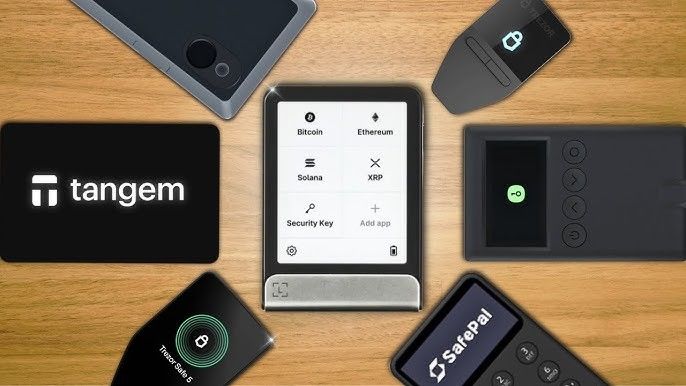
Other options include metal plates that protect seed phrases from fire and water, plus advanced hardware that supports multi-signature setups. As of mid-2026, touchscreen models with e-ink displays make complex transactions easier. Each type trades off security, cost, and convenience in different ways. Hardware wallets top most recommendations from sources like CoinMarketCap thanks to their durability and broad asset support.
Cold wallets cut the online attack surface dramatically. Hackers cannot reach keys stored offline the way they can with hot wallets exposed to phishing or exchange breaches. Investopedia points out that offline storage carries far lower risk of compromise.
You keep full physical control and avoid depending on third parties. This matches the classic “not your keys, not your coins” idea. The recovery phrase gives you self-sovereignty if the device ever fails.
For larger holdings, cold wallets bring real peace of mind during market swings. They pair well with DeFi by letting you move funds temporarily to a hot wallet when needed. In 2026, growing institutional use shows cold storage has become standard best practice for serious custody.
Cold wallets are not risk-free. If you lose, damage, or have the device stolen, you need the recovery phrase to regain access. Lose or expose that phrase and your funds are gone or at risk.
Setup mistakes, such as buying from unofficial sellers, can introduce tampered devices with known seed phrases. Always purchase directly from the manufacturer. Store recovery phrases offline in multiple secure spots.
Convenience takes a hit compared with hot wallets. Every transaction requires extra steps, which feels slow for frequent use. Paper wallets add extra fragility from environmental damage. Beginners should practice with tiny amounts first.
| Feature | Cold Wallet | Hot Wallet |
|---|---|---|
| Internet Connection | None (offline) | Always connected |
| Security Level | Higher against remote attacks | Lower, exposed to online threats |
| Best For | Long-term storage, large amounts | Daily transactions, small amounts |
| Cost | $50–$200 for hardware | Usually free |
| Convenience | Lower for frequent use | High for quick access |
| Recovery | Via seed phrase | Varies by provider |
Cold wallets shine for security-focused holders, while hot wallets suit active traders. Many people use both.
Look at supported assets, ease of use, and build quality. Ledger and Trezor stay top picks in 2026 for their proven track records and regular firmware updates. Check for secure element chips and on-device address verification.
Budget matters—entry-level models work fine for most beginners. Read community feedback and official docs before buying. Skip unverified third-party sellers to avoid tampering risks.
Favor models with solid backup options and multi-chain support. Touchscreen interfaces help reduce errors when confirming addresses. Test recovery on small amounts after setup.
Buy straight from the official manufacturer site, such as ledger.com or trezor.io. Check packaging seals and inspect for any signs of tampering on arrival.
Install the companion app on a secure computer. Follow the on-screen prompts to initialize the device and generate your recovery phrase. Write the phrase on paper or a metal backup and store it safely—never photograph or save it digitally.
Set a strong PIN. Test the wallet by sending a small amount of crypto to the new address. Practice restoring from the seed phrase on the same or another device.
Update firmware only through official channels. Turn on any extra security features like passphrase protection. Keep notes of your process for your own records.
Keep the device and recovery phrase in separate secure locations, such as a home safe and a bank deposit box. Never share the phrase or type it into any connected device.
Verify every transaction detail on the hardware screen before approving. Use the cold wallet mainly for infrequent large transfers once you’ve acquired assets. After acquiring cryptocurrencies through a non-custodial swap aggregator like Baltex, transfer holdings promptly to cold storage for enhanced protection. Check firmware regularly for updates.
Test recovery once a year with tiny amounts. Update backups whenever you add new assets. Teach family members the basics of access without revealing sensitive details.
Buying secondhand devices risks pre-installed malware. Always get new units from authorized sellers. Storing recovery phrases digitally or in the cloud defeats the whole point of offline security.
Rushing setup without verifying addresses on the device screen can lead to lost funds. Confirm every detail before sending. Skipping firmware updates leaves the device open to known exploits.
Reusing the same seed across multiple wallets weakens security. Generate a fresh phrase for each device. Ignoring physical security, like leaving devices in plain sight, invites theft.
Cold wallets work well for long-term holders planning to store Bitcoin or Ethereum for years. They guard against exchange failures or regulatory issues that affect custodians.
Investors with portfolios worth several thousand dollars or more benefit most. Day traders may prefer hot wallets for speed but should move profits to cold storage on a regular basis.
When a different option works better: frequent DeFi users or people holding only small amounts often find hot wallets more practical despite the added risks. Cold storage adds unnecessary friction for tiny test transactions.
Cold wallets deliver essential protection in today’s crypto environment. By learning the different types, following the setup steps, and sticking to best practices, beginners can keep assets secure. Pair them with responsible ways of acquiring crypto and ongoing education for the best results.
Security ultimately comes down to your own habits. Start small, verify everything, and keep solid backups.

G. Khan
 Ecosystem
G. Khan
Ecosystem
G. Khan
Ecosystem
G. Khan
Ecosystem
G. Khan
Ecosystem
