



 5 minutes to read
 Ecosystem
What Are Bitcoin NFTs (Ordinals)?
Quick Summary
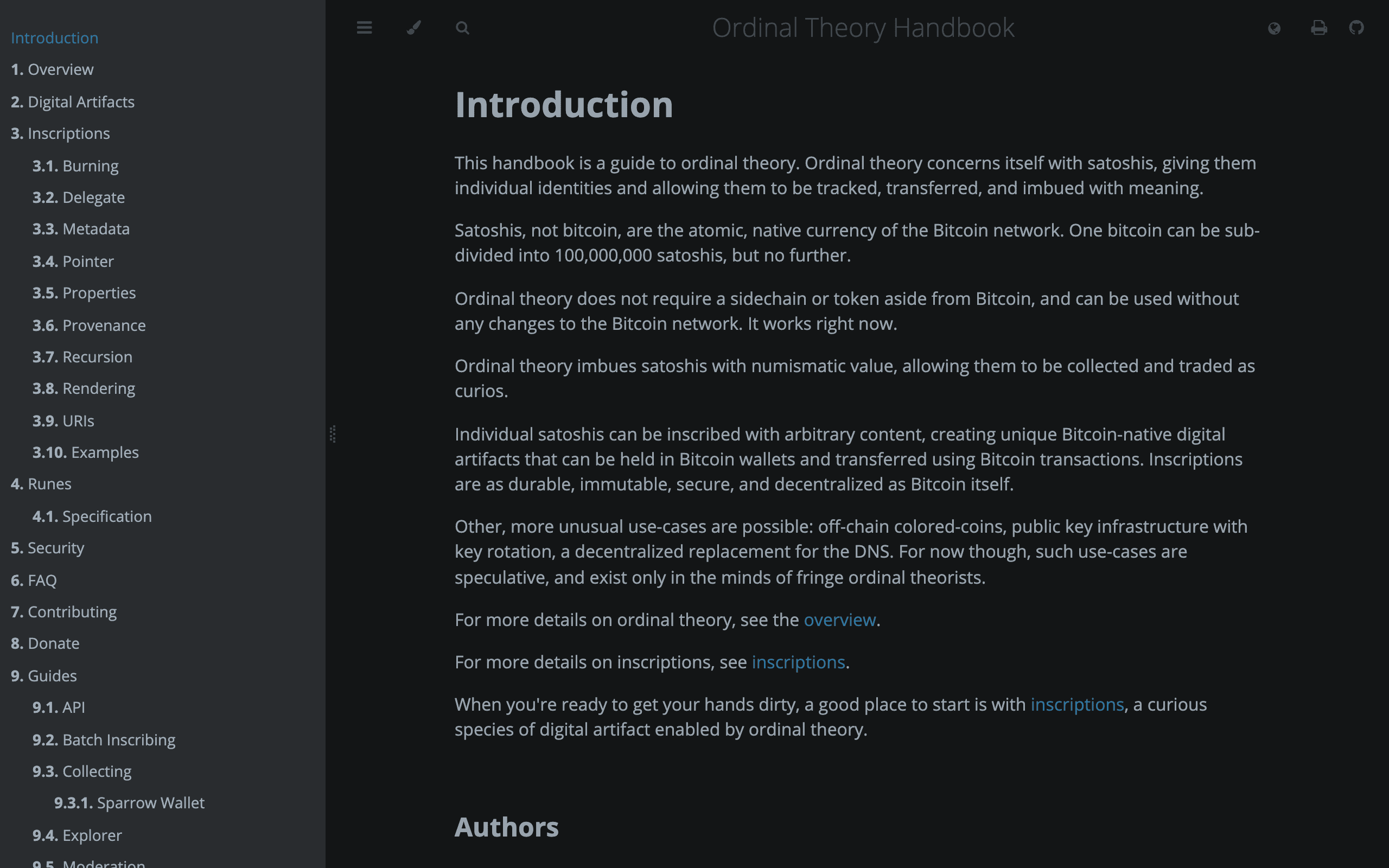
- Bitcoin Ordinals assign unique serial numbers to satoshis, the smallest unit of Bitcoin, enabling the creation of digital artifacts.
- Inscriptions attach arbitrary data such as images, text, or code directly to individual satoshis on the Bitcoin blockchain.
- The protocol launched on mainnet in January 2023 by developer Casey Rodarmor and has grown to over 107 million inscriptions by January 2026.
- March 2026 saw $46.8 million in Ordinals sales volume across nearly 60,000 transactions according to market data.
- Ordinals provide Bitcoin-native NFTs without smart contracts or sidechains, leveraging Taproot upgrades for efficiency.
- Collectors value certain sats based on rarity tied to Bitcoin's mining history and events.
Definition: What Are Bitcoin NFTs (Ordinals)?
Bitcoin Ordinals turn individual satoshis into unique, trackable digital assets by pairing ordinal theory with data inscriptions. Ordinal theory gives every satoshi a sequential number based on when it was mined, starting from the genesis block. That numbering creates scarcity and individuality where Bitcoin units were once identical. Inscriptions then embed content—text, images, even small apps—straight into the witness data of a Bitcoin transaction thanks to the Taproot upgrade. The result is a permanent, on-chain digital artifact, often called a Bitcoin NFT. Because each inscribed satoshi carries both its ordinal number and attached data, it becomes non-fungible. The whole system runs inside Bitcoin’s existing rules with no protocol changes required. As of June 2026 it has produced millions of unique collectibles while showing Bitcoin can serve as a secure data layer. The official Ordinals documentation spells out the theory and calls these creations “digital artifacts” that stay verifiable on the blockchain forever.
History and Background of the Ordinals Protocol
Numbering satoshis has roots in early Bitcoin conversations, but the modern protocol arrived in 2023. Casey Rodarmor released the Ordinals software on mainnet on January 20, 2023, drawing from a 2012 BitcoinTalk idea. His ordinal theory gave a practical way to track satoshis without touching Bitcoin’s code. The first inscription actually happened in December 2022, yet real adoption followed the mainnet launch. Early inscriptions stayed simple—mostly text or tiny images. By mid-2023 collections and marketplaces appeared, sparking debate about block-space usage. Critics saw inscriptions competing with regular transactions for fees; supporters viewed them as a natural expansion of Bitcoin’s utility. The ecosystem matured through 2024 and 2025 with better wallets, explorers, and standards like BRC-20. By January 2026 cumulative inscriptions topped 107 million. March 2026 sales reached $46.8 million, showing the market had settled into a steadier phase after the initial hype. The timeline illustrates how community experiments can broaden Bitcoin’s role without central control.
How Ordinals and Inscriptions Work
Creating a Bitcoin Ordinal takes two steps: picking a specific satoshi through ordinal theory and inscribing data onto it. Ordinal theory numbers every satoshi from the very first one mined in 2009. To inscribe, a user builds a Bitcoin transaction that places the desired data in the witness field, made possible by Taproot. The transaction locks the data to that satoshi, so the two stay together. The inscribed satoshi then moves like ordinary Bitcoin, carrying its unique content and number. Ordinals-compatible wallets track these numbered sats and help avoid accidental mixing. Inscriptions are limited by block size and fees; bigger files, up to roughly 4 MB, cost more and need careful timing. The process uses Bitcoin’s existing infrastructure—no new tokens or chains required. Once inscribed, the data becomes immutable and verifiable by any full node or explorer. This on-chain permanence sets Ordinals apart from many off-chain NFT solutions. Common examples include profile pictures, digital art, or JSON data for token standards. Users pay Bitcoin transaction fees that rise and fall with network demand. During busy periods, inscribers often wait for lower fees. Bitcoin’s proof-of-work consensus gives inscriptions the same security as regular transactions.
Key Features and Technical Details
Several aspects set Bitcoin Ordinals apart. Full on-chain storage keeps the entire asset on the Bitcoin blockchain, removing dependence on external servers or IPFS links that can disappear. Ordinal numbers create a built-in scarcity model where certain sats gain value from rarity events like halvings or early blocks. Taproot keeps inscriptions efficient without excessive blockchain bloat. Compatibility with Bitcoin’s UTXO model means inscribed sats move through normal transactions. The protocol also supports recursive inscriptions, where one inscription can reference another for more complex creations. BRC-20 tokens emerged as an experimental standard that uses inscriptions to deploy, mint, and transfer fungible tokens without smart contracts. As of 2026 the ecosystem includes dedicated explorers, indexers, and marketplaces. Security comes straight from Bitcoin’s decentralized network; changing an inscription would require rewriting Bitcoin’s history—an impractical task. Users still need to guard private keys carefully, since losing access means losing the inscribed satoshi. No protocol-level royalties or permissions exist, leaving those choices to individual collections or marketplaces. These traits give Ordinals a minimalist yet powerful way to extend Bitcoin while staying true to its decentralized roots.
The Market for Bitcoin NFTs in 2026
The Bitcoin Ordinals market showed resilience into 2026. March recorded $46.8 million in sales volume from 59,585 transactions involving more than 14,000 unique buyers. Average sale prices sat around $785, with low wash trading pointing to organic demand. January had already topped $53 million. Leading collections keep attracting collectors, and new drops appear regularly. Market capitalization for related tokens and artifacts has stabilized, with established projects maintaining liquidity. Trading happens mainly on specialized platforms rather than general crypto exchanges. Prices respond to inscription rarity, artistic quality, community strength, and Bitcoin’s price moves. Minting costs range from a few dollars in quiet times to much higher during congestion. The market has shifted from 2023’s frenzy to a steadier focus on quality and utility. Data from sources like CryptoSlam and on-chain analytics keep activity transparent. This growth highlights Bitcoin’s expanding role beyond payments into cultural and collectible spaces, though participants should watch fee dynamics and liquidity.
Comparison with Ethereum NFTs and Other Blockchain NFTs
Bitcoin Ordinals differ fundamentally from Ethereum-based NFTs. Ethereum NFTs usually rely on smart contracts under ERC-721 or ERC-1155 standards, with metadata often stored off-chain. Ordinals embed content directly on Bitcoin, offering greater permanence but less room for complex logic. Ethereum supports richer interactivity, built-in royalties, and layer-2 scaling for lower fees. Bitcoin Ordinals inherit the oldest and most secure blockchain yet face higher and more variable transaction costs. Unlike sidechain approaches such as Stacks or Counterparty, Ordinals need no extra layers or tokens—they stay fully native to Bitcoin’s base layer. Supply is limited by available satoshis and inscription size, whereas Ethereum mints can be unlimited or capped by contract. In 2026 Ethereum NFT volumes remain larger overall, but Ordinals carve a niche for users who want Bitcoin’s security guarantees. Trade-offs include Ethereum’s easier development versus Bitcoin’s simplicity and decentralization focus. Collectors weigh security model, cost, and desired features when choosing between ecosystems. Ordinals particularly appeal to Bitcoin maximalists and those who value on-chain immutability.
Pros, Cons, and Risks of Bitcoin Ordinals
Advantages include unmatched on-chain permanence, Bitcoin’s inherited security, and genuine digital scarcity through ordinal numbering. Inscriptions expand Bitcoin’s use cases without touching its monetary properties and can serve as verifiable provenance for digital art. Risks include high and unpredictable fees during congestion, loss of access if keys are mishandled, and thinner tooling compared with more mature NFT ecosystems. Some community members see inscriptions as block-space spam that raises fees for everyone. Market risks cover volatility, illiquidity for niche collections, and evolving standards that might affect compatibility. Regulatory uncertainty around digital assets applies here too. Unlike smart-contract NFTs, Ordinals lack built-in royalty enforcement and rely on marketplace policies. Users should research specific collections thoroughly and consider long-term storage needs for large inscriptions. Overall, Ordinals suit people comfortable with Bitcoin’s technical environment who accept fee variability in exchange for native integration.
How to Create, Buy, and Trade Bitcoin Ordinals
Creating an Ordinal requires a compatible wallet that supports sat control and inscription features, enough Bitcoin for fees, and tools like the ord client. Users select a satoshi, prepare the content file, and broadcast the transaction. Marketplaces handle buying and selling already-inscribed assets through listings and auctions. Trading simply transfers the inscribed satoshi to the buyer’s wallet. For users who first need to acquire Bitcoin or related assets, Baltex, our non-custodial crypto swap aggregator, provides instant cross-chain swaps across 200+ networks without requiring registration for most swaps and without storing funds. This approach also supports privacy-focused routing options while aggregating liquidity from multiple sources. Always verify wallet compatibility before attempting inscriptions. Explorers like ordinals.com let users view inscription details and ownership history. Costs vary with file size and network conditions; smaller text inscriptions stay cheaper. Best practices include testing on signet or testnet first and double-checking ordinal numbers to avoid errors. Trading volume in 2026 shows active secondary markets, though liquidity concentrates in popular collections. Participants benefit from understanding Bitcoin transaction mechanics to optimize fees.
Use Cases and Who Benefits from Ordinals
Bitcoin Ordinals suit digital artists seeking permanent on-chain hosting, collectors drawn to Bitcoin-native scarcity, and developers experimenting with inscription-based standards like BRC-20. Use cases range from profile-picture collections and generative art to domain names, gaming items, and historical records inscribed as digital artifacts. Bitcoin holders can diversify into collectibles while staying inside the ecosystem. Those who prioritize decentralization and want to avoid smart-contract risks find value here. However, projects needing complex interactivity, royalty enforcement, or low-cost high-volume minting may find Ethereum or layer-2 solutions better suited. Ordinals work best when permanence and Bitcoin security outweigh development flexibility. Communities around specific themes or artists have formed, driving engagement. Educational and archival inscriptions also appear, leveraging the blockchain’s durability. The format appeals to users who already hold Bitcoin and want to explore new expressions without bridging elsewhere.
Future Outlook for Bitcoin NFTs
As of June 2026, Bitcoin Ordinals continue evolving with improved infrastructure and ongoing experimentation. Potential developments include enhanced indexing tools, better wallet integrations, and refined standards for complex inscriptions. Bitcoin’s upcoming halvings and network upgrades could influence fee markets and inscription activity. The market may see further maturation with institutional interest or integration into broader digital asset portfolios. Challenges around scalability and community consensus on block-space usage will persist. Still, the core innovation of turning satoshis into unique assets demonstrates Bitcoin’s enduring adaptability. Observers expect steady rather than explosive growth, focused on quality projects. For those entering now, understanding the technical and market fundamentals remains essential. The protocol’s open-source nature on GitHub encourages continued contribution and innovation.
Sources
Disclaimer
This content is for educational purposes only and does not constitute financial, investment, or trading advice. Cryptocurrency markets are volatile, and past performance does not guarantee future results. Always conduct your own research and consider consulting a qualified professional before making decisions. Bitcoin Ordinals involve technical risks including transaction fees and key management.
What are Bitcoin Ordinals?
How do Ordinals differ from traditional NFTs?
How many inscriptions exist in 2026?
Can I trade Ordinals on exchanges?
What makes a satoshi rare in Ordinals?
Is creating an Ordinal expensive?
Are Ordinals secure?
See others posts
G. Khan

Solana Price Prediction 2030 (September 2026 Update)
Ecosystem
G. Khan
Solana Price Prediction 2027: Expert Forecasts and Key Drivers (September 2026 Update)
Ecosystem
G. Khan
Solana Price Prediction for the End of 2026
Ecosystem
G. Khan
Solana (SOL) Price Prediction 2026, 2027 and 2030 (September 2026 Update)
Ecosystem
G. Khan
Ethereum Price Prediction September 2026
Ecosystem
G. Khan
AI Ethereum Price Prediction for 2026 and 2027 (September 2026 Update)
Ecosystem