


 5 minutes to read
 Ecosystem
The Best Ways to Buy Bitcoin in 2026: Where to Buy BTC Safely
Buying Bitcoin safely in 2026 means weighing convenience against fees, privacy, and control. Regulatory frameworks like MiCA in Europe and continued U.S. oversight have clarified many options, from traditional exchanges to direct-to-wallet services. The guiding rule stays simple: get BTC you can withdraw and hold yourself whenever possible.
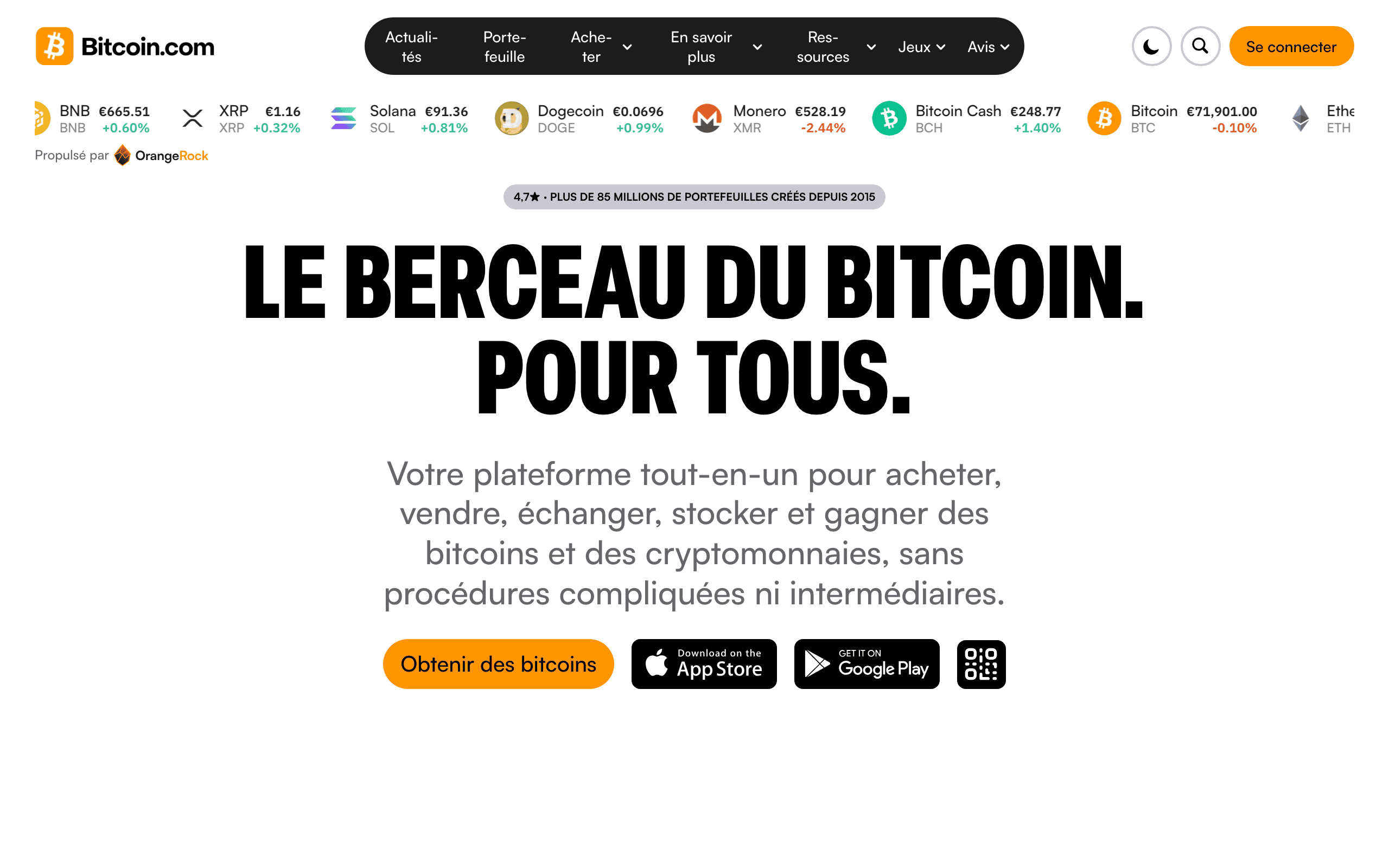
Bitcoin.com offers an easy on-ramp for users who want straightforward card or bank purchases that land straight in supported wallets.
The 2026 Buying Landscape
By late 2026, Bitcoin trading volumes and adoption have settled into a more mature phase. Spot ETFs now manage substantial assets, giving indirect exposure, while many still prefer direct ownership through self-custody. Your location, preferred speed, fee tolerance, and whether you need fiat on-ramps or already hold crypto all shape the best route.
Regulated centralized exchanges handle most beginner volume thanks to familiar interfaces and bank links. They carry custody risk until you withdraw. Non-custodial options cut that risk by routing swaps through aggregated liquidity without ever holding your funds.
Real-world choices depend on the situation. A U.S. beginner with a bank account often finds low-fee transfers on platforms like Coinbase or Kraken. European users may lean toward MiCA-compliant venues for SEPA funding. Privacy-minded traders or those swapping altcoins frequently turn to swap aggregators for direct BTC delivery.
Market data as of October 2026 shows tight spreads on major pairs at liquid venues, though payment-method markups still vary. Card purchases typically add 1.5-5% in effective cost, while bank transfers on pro tiers stay under 0.5%.
Centralized Exchanges: Regulated and Reliable
Platforms such as Coinbase, Kraken, and Binance remain the main entry points. You create an account, complete KYC, deposit fiat, and trade. Advanced interfaces often charge 0.05-0.4% maker/taker, with bank funding adding little or nothing.
Strengths include deep liquidity, educational tools, and responsive support. The main drawbacks are mandatory verification and the need to withdraw quickly to limit platform risk. Guidance now stresses limit orders over instant-buy buttons to avoid 1-2% spreads.
For regular buys, set up automated bank transfers and schedule purchases to average your cost. Withdrawals to hardware wallets incur network fees but complete ownership transfer. Most platforms support multiple networks for BTC, though the native Bitcoin chain remains simplest for many.
User feedback often praises smooth onboarding for newcomers, while noting occasional delays during peak verification periods. Security incidents stay rare on top regulated sites, yet past events continue to underscore the value of self-custody for larger amounts.
Spot Bitcoin ETFs for Indirect Exposure
Spot ETFs on traditional brokerages deliver Bitcoin price performance without wallets or keys. Leading examples include BlackRock's IBIT and Fidelity's FBTC, with annual expense ratios around 0.2-0.25%.
This route fits retirement accounts or investors already using stock platforms. No actual BTC is withdrawn, so it provides price exposure rather than ownership. Tax treatment can sometimes favor ETF holdings over direct crypto in certain jurisdictions.
Drawbacks include ongoing management fees and no on-chain utility. For spendable BTC, ETFs fall short. Many analysts suggest using them for portfolio portions while routing core holdings through direct purchases.
Peer-to-Peer and Alternative On-Ramps
P2P marketplaces let buyers connect directly with sellers and sometimes bypass heavy KYC on smaller amounts. Escrow and rating systems help, with payments via bank transfer or cash. Fees depend on negotiation but can undercut card rates.
Bitcoin ATMs deliver cash-to-BTC in minutes yet charge steep premiums of 8-23%. They work for emergencies or users avoiding digital footprints, though high costs and limited availability reduce their appeal.
Payment apps like PayPal or Venmo allow quick small purchases but often restrict withdrawals or apply wider spreads. Specialized Bitcoin services with direct bank links focus on recurring buys that hand off to self-custody automatically.
Non-Custodial Swaps and Aggregators
If you already hold other cryptocurrencies or want minimal friction, non-custodial swap platforms aggregate liquidity from CEX and DEX sources. These enable instant crypto-to-crypto exchanges, including routes to Bitcoin, without account creation for most transactions.
Baltex exemplifies this category as a non-custodial crypto swap aggregator supporting 200+ networks and 10,000+ assets. You connect a wallet, choose pairs, and receive BTC directly under your control. No registration or KYC is required for standard swaps, though AML screening and compliance reviews may occur on flagged activity.
This method shines when converting altcoins to BTC or tapping cross-chain liquidity without intermediate custody. Fees usually run 0.1-0.5% plus network costs, with private routing options for extra discretion. Settlement finishes in minutes on same-chain routes and longer for cross-chain depending on confirmations.
Limitations include dependence on your connected wallet's security and possible slippage on thin pairs. It suits crypto-native users more than pure fiat buyers. When fiat on-ramps matter most, pair it with a separate exchange step first.
Compared with full exchanges, aggregators lower counterparty exposure but assume comfort with wallet management from the outset. Start with small test amounts to check routes and timing.
Self-Custody Best Practices After Purchase
No matter how you acquire Bitcoin, move it to a wallet you control as soon as practical. Hardware options like Ledger or Trezor store keys offline, with seed phrases backed up in multiple secure spots.
Software wallets work well for smaller amounts or daily use. Always double-check addresses on a blockchain explorer before large transfers. Enable two-factor authentication everywhere and never share seed phrases.
Network fees shift with congestion; check mempool data for better withdrawal timing. Long-term holdings benefit from cold storage to reduce online exposure.
How to Choose the Right Method
Match the approach to your priorities: speed favors cards or apps, lowest cost favors bank transfers on pro exchanges, and privacy points toward non-custodial swaps. Jurisdiction matters—U.S. users navigate varying state rules, while EU residents gain MiCA protections.
Begin with small amounts to learn the process. Dollar-cost average over time instead of trying to time the market. Keep records for taxes, noting dates and costs.
When a different option proves better: pure fiat buyers without existing crypto often prefer full-featured exchanges over pure swap tools. Those seeking tax-advantaged accounts should consider ETFs first.
Practical Examples and Trade-offs
Example one: A European user funds Kraken via SEPA for roughly 0.2% total cost, buys BTC, and withdraws to a hardware wallet within hours. Effective fee stays under 0.5%.
Example two: An altcoin holder routes directly to BTC via a swap aggregator across chains, skipping exchange accounts altogether.
Trade-offs always exist between convenience and control. Instant methods cost more; deliberate steps save money and boost security.
Staying current on network upgrades, including potential Bitcoin improvements, helps anticipate future usability.
Staying Safe in a Maturing Market
Check platform licensing on official regulator sites. Use unique passwords and hardware security keys. Watch for phishing aimed at wallet seeds or exchange logins.
Monitor transactions on explorers to confirm receipt. For any service, begin with test transactions. Insurance and recovery options remain limited compared with traditional finance, highlighting personal responsibility.
Conclusion
The best path depends on your circumstances, yet combining regulated on-ramps with prompt self-custody offers the strongest safety profile in 2026. Non-custodial tools like Baltex expand options for seamless crypto-native acquisitions. Prioritize control, compare fees openly, and build habits that grow with your holdings.
We cover this in more detail in Monero Atomic Swaps Guide: BTC to XMR Without Intermediaries.
What is the safest way to buy Bitcoin in 2026?
Which method has the lowest fees for buying Bitcoin?
Do I need KYC to buy Bitcoin?
Should I buy Bitcoin directly into a wallet?
What are the risks of Bitcoin ATMs?
How do spot Bitcoin ETFs compare to owning actual BTC?
See others posts
G. Khan

How to Buy Bitcoin and USDT in India (INR) (October 2026)
Ecosystem
G. Khan
The 10 Best Places to Buy Crypto Online in 2026
Ecosystem
G. Khan
The Cheapest Way to Buy Crypto: Fees by Payment Method Compared (October 2026)
Ecosystem
G. Khan
How to Buy Bitcoin and Ethereum in Canada (2026)
Ecosystem
G. Khan
How to Buy Bitcoin in the UK and Australia (October 2026)
Ecosystem
G. Khan
How to Buy Solana with a Credit or Debit Card (October 2026)
Ecosystem