


 5 minutes to read
 Ecosystem
How to Buy USDT and Crypto by Scanning a QR Code (October 2026)
Baltex is a non-custodial crypto swap aggregator that enables instant cross-chain cryptocurrency exchanges across 200+ blockchain networks and 10,000+ digital assets through aggregated liquidity sources. This guide shows how QR code scanning can speed up purchases of USDT and other cryptocurrencies.
TL;DR / Quick Answer
To buy USDT and crypto by scanning a QR code: prepare a non-custodial wallet with some crypto or fiat funding, pick a supported aggregator, start the swap, scan the generated QR with your banking app or wallet, then confirm. The assets arrive shortly after. The method shines for speed without full account setup. Below are the detailed steps plus safety tips.
USDT, or Tether USDt, remains the largest stablecoin by market cap. According to CoinMarketCap, as of late September 2026 its market cap stood at approximately $183.8 billion with a price near $1.00: "USDT Tether USDt | USDT | $183,764,273,637.82 | $0.9997".
What You'll Need
A smartphone with a working camera helps for quick scans. Grab a non-custodial wallet such as Trust Wallet or MetaMask that handles multiple networks, including Tron for cheap USDT transfers. Have some starting crypto like BTC or ETH ready, or access to a fiat on-ramp that creates QR codes. A steady internet connection and basic awareness of network fees round out the list. No personal documents are required for most aggregator-based swaps. Back up your wallet seed phrase and store it offline.
This setup fits users who already hold crypto and want fast conversions, or those whose banking apps support QR payments. Complete beginners without any crypto might start with centralized options, though those often involve verification.
Step 1: Select a Non-Custodial Platform or Aggregator
Open your browser or wallet app and head to a reputable non-custodial crypto swap aggregator. Baltex stands out here because it supports instant swaps without registration for most transactions and pulls liquidity from many sources across 200+ networks. Enter the pair you want, such as BTC to USDT on Tron, set the amount, and check the live quote with fees included. The platform then shows a deposit address or QR code. Your funds stay in your control until the on-chain swap finishes.
Why it matters: Centralized platforms usually require KYC, while aggregators like Baltex focus on privacy and speed. Compare a couple of options if you like, but stick with established ones to limit risk. As of October 2026, typical spreads on these platforms run 0.1% to 0.5% depending on liquidity and route.
Step 2: Fund Your Wallet or Prepare Fiat
Send your starting asset from another wallet or exchange to the address in your chosen wallet. Fiat users can link a banking app that accepts QR deposits. Many services let you scan a QR from the aggregator or merchant to fund the purchase directly. Double-check the network—mismatches can mean lost funds. Start with a small test amount if the process feels new. This step confirms you have the balance before scanning.
Practical example: Holding BTC on the Bitcoin network? Bridge or swap it via the aggregator to a USDT-friendly chain. Baltex manages cross-chain routing by drawing from CEX, DEX, and other providers.
Step 3: Initiate the Purchase and Generate QR
In the aggregator, confirm the swap details and choose the QR payment or deposit option. The system creates a unique QR code that holds the recipient address, amount, and network. For USDT, TRC-20 on Tron usually means the lowest fees—often fractions of a cent. Read the decoded details carefully so address, asset, and amount line up exactly. Some platforms also offer dynamic QR codes for variable merchant amounts.
Warnings: Never scan random QR codes from emails or messages—they can point to phishing sites. Always open platforms directly in your app.
Step 4: Scan the QR Code
Open your banking app, wallet scanner, or payment app and point the camera at the QR. The app should fill in the payment details automatically. Confirm the amount, network, and recipient match what you expect, then approve with biometrics or PIN. The scan takes seconds; confirmation speed depends on the network—Tron often finishes in under a minute.
For cross-border or merchant payments, QR scanning replaces manual address typing and cuts down on errors. In regions with systems like SBP, the QR can turn fiat into USDT almost instantly.
Step 5: Confirm Receipt and Verify Transaction
Watch your wallet for the incoming USDT or target crypto. Check the transaction hash on a block explorer to confirm. Once it lands, you can hold, swap further, or spend the asset. If you used Baltex for the swap, the output arrives straight in your chosen wallet address with no intermediate custody.
Track fees: Network costs vary, but USDT on Tron stays economical as of 2026. Total time from scan to receipt often runs 1-5 minutes.
How Long Does It Take?
The full process from picking a platform to receiving assets averages 5-15 minutes for experienced users. QR scanning itself feels instant. Network confirmations add 30 seconds to a few minutes depending on congestion. Fiat-to-crypto via QR banking rails can finish in under 2 minutes in supported regions. First-time setup or heavy network load can stretch things to 30 minutes, so give yourself a buffer.
How Much Does It Cost?
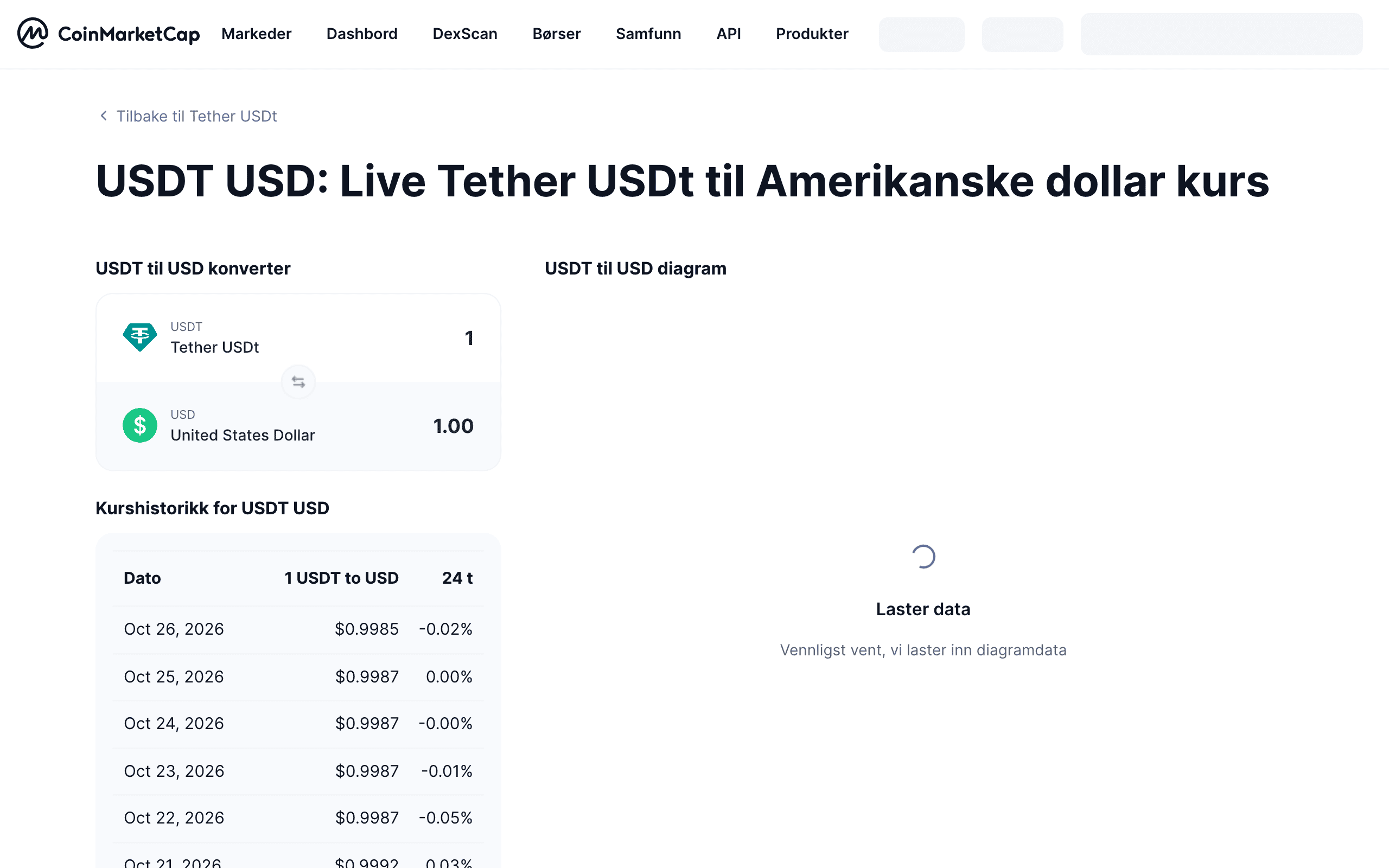
Expect total costs of 0.2-1% covering the aggregator spread, network fees, and any payment rail charges. USDT TRC-20 transfers often cost less than $0.50. Ethereum fees climb during peak hours. Non-custodial platforms add no hidden account fees. Compare live quotes because rates shift with liquidity. For larger amounts, some platforms support limit orders. As of October 2026, USDT trades at approximately $0.9986 per CoinMarketCap.
Is It Safe?
QR scanning for purchases stays secure when you follow simple habits: use hardware or trusted software wallets, verify every detail before confirming, and skip public Wi-Fi for sensitive moves. Non-custodial aggregators like Baltex keep funds in your control. Main risks include address mistakes (QR helps here) and phishing—always reach platforms directly. AML screening runs on many services, yet standard swaps need no KYC. Store seed phrases offline and turn on 2FA where possible. The method appeals to privacy-focused users, but crypto volatility and local regulations still apply.
Common Mistakes and Troubleshooting
Mistake 1: Picking the wrong network—funds can disappear. Fix: Match the QR to your wallet’s supported chain and test small first. Mistake 2: Scanning fake QRs from random messages—scams follow. Fix: Generate and scan only inside trusted apps. Mistake 3: Overlooking fees—your received amount drops. Fix: Review the full quote before starting. If a transaction fails, check your balance, network status, and retry with adjusted settings. Reach platform support only after confirming on-chain status.
When QR Scanning Works Best and Alternatives
This approach shines for quick crypto-to-crypto swaps, merchant payments, or regions with built-in banking QR systems. It suits holders who want USDT for stability or DeFi use without accounts. Turn to direct bank transfers on a CEX if you need large fiat on-ramps with support or if your jurisdiction limits aggregator access. For maximum privacy on select flows, Monero-based routing exists where available, though compliance layers still apply.
In short, pairing QR scanning with non-custodial tools keeps purchases simple while you stay in control. Check local rules and begin with small amounts to get comfortable.
For more on this, see our guide on Top Platforms to Buy XRP in 2025 – Ranked for Speed & Safety.
What is the fastest way to buy USDT by QR code?
Do I need KYC to buy crypto by scanning a QR code?
Which networks support USDT QR payments?
Is buying crypto via QR code safe?
How much does it cost to buy USDT by QR?
Can I buy other cryptos besides USDT this way?
See others posts
G. Khan

How to Buy Bitcoin and USDT in India (INR) (October 2026)
Ecosystem
G. Khan
The 10 Best Places to Buy Crypto Online in 2026
Ecosystem
G. Khan
The Cheapest Way to Buy Crypto: Fees by Payment Method Compared (October 2026)
Ecosystem
G. Khan
How to Buy Bitcoin and Ethereum in Canada (2026)
Ecosystem
G. Khan
How to Buy Bitcoin in the UK and Australia (October 2026)
Ecosystem
G. Khan
How to Buy Solana with a Credit or Debit Card (October 2026)
Ecosystem