



 5 minutes to read
 Ecosystem
How to Swap ATOM to BTC (July 2026)
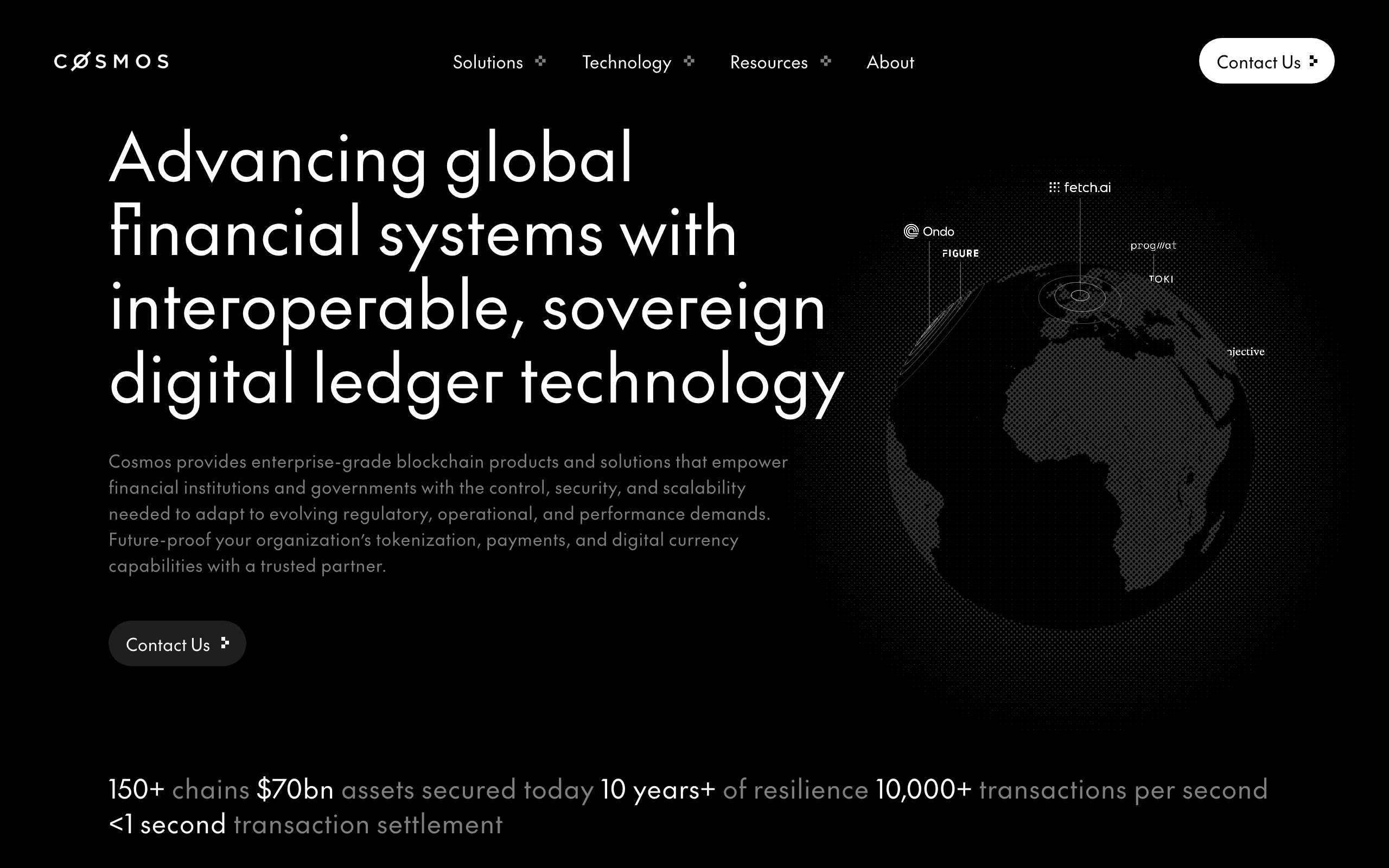
Cosmos serves as the central hub for the Cosmos ecosystem, where the ATOM token handles governance and security across chains connected by IBC. Bitcoin stands as the original decentralized asset with its fixed supply and proof-of-work model. Moving value from ATOM into BTC opens doors to deeper liquidity, long-term holding, or experiments on Bitcoin layers like Lightning. By July 2026, aggregators make these cross-chain moves straightforward by pulling liquidity from many sources without forcing users to hand over custody.
Why Swap ATOM to BTC in 2026
Cosmos Hub handles interoperability well, yet reaching native BTC still calls for bridges or aggregators. People turn to BTC for its market depth, role as a store of value, or access to Bitcoin-native tools. Practical reasons include rebalancing a portfolio when ATOM lags behind BTC, covering Bitcoin payments, or unlocking wrapped BTC liquidity elsewhere. Picture holding 500 ATOM and shifting part of it during a market move to lock in gains or reduce risk. Or a developer grabbing BTC for testnet work or node setup on Bitcoin infrastructure.
That said, this route does not fit every situation. If you want to stay inside Cosmos for staking or easy IBC moves, holding ATOM makes more sense. Very large trades may find better pricing through OTC desks than public aggregators. Check tax rules in your area too—swaps often count as taxable events.
What You'll Need Before Starting
Grab a non-custodial wallet that handles both ATOM on Cosmos Hub and native BTC—Keplr works for Cosmos, while a hardware option like Ledger adds security for Bitcoin. Make sure your Cosmos address holds ATOM plus a bit extra for gas. Generate a fresh BTC address in the same wallet. Check live rates on trusted trackers. Most swaps on aggregators need no registration. Keep a steady internet connection and triple-check every address before sending.
Step 1: Access a Non-Custodial Swap Aggregator
Head to Baltex, a non-custodial crypto swap aggregator that enables instant cryptocurrency exchanges across multiple blockchains through aggregated liquidity sources. The platform covers more than 200 networks and 10,000 assets, including ATOM on Cosmos Hub and native BTC. Pick the swap screen, set ATOM as the input and BTC as the output. The system routes through CEX, DEX, and other providers without ever holding your funds. Enter your ATOM amount and review the expected BTC return, fees included, shown live as of July 2026.
Step 2: Connect Your Wallet and Verify Details
Link your Cosmos-compatible wallet to the interface. Confirm the network reads Cosmos Hub for ATOM. Paste your BTC receiving address straight from the wallet to avoid mistakes. The screen displays the final BTC amount after fees and slippage. Set slippage tolerance around 1-2% for normal conditions. Note the estimated completion time—usually under 30 minutes for cross-chain transfers.
Step 3: Approve and Execute the Swap
Approve the transaction in your wallet for the ATOM amount plus gas. Confirm the swap on the aggregator. Routing happens automatically: IBC handles the Cosmos side, while Bitcoin protocols manage the destination. Your ATOM leaves the wallet and BTC arrives once both networks confirm. Watch progress on the aggregator dashboard or block explorers. Leave the browser open until it finishes.
Step 4: Confirm Receipt and Secure Your BTC
After completion, check your BTC balance in the wallet. Look up the transaction hash on a Bitcoin explorer and wait for 1-3 confirmations. Keep your seed phrase offline and never share private keys. If using hardware, move the BTC there right away. Start with a small test swap if this is your first cross-chain move.
How Much Does It Cost to Swap ATOM to BTC
Expect network fees on Cosmos—usually tiny fractions of an ATOM—plus any aggregator spread or routing costs that shift with liquidity and volatility. As of July 2026, total costs for moderate amounts typically stay under 1-2% based on live aggregated quotes. Bigger swaps often see better rates from deeper pools. Always compare fresh estimates before you confirm.
How Long Does the Swap Take
Most instant swaps wrap up in 5-20 minutes after wallet approval, though Bitcoin congestion can stretch final settlement. IBC adds only slight delay. During quiet periods the whole process can feel nearly instant. Plan around busy market hours when queues sometimes build.
Is Swapping ATOM to BTC Safe
Non-custodial aggregators leave private keys in your hands the entire time. Main risks come from address typos, fake sites, or vulnerabilities in routing contracts. Protect yourself by bookmarking official pages, using wallet previews, and testing small amounts first. AML screening runs on platforms like Baltex, yet standard swaps avoid full KYC. Skip any unsolicited links promising ATOM-BTC exchanges.
Common Mistakes and Troubleshooting
The top slip-up is typing the wrong BTC address—double-check the first and last characters every time. Low gas on Cosmos can block approvals, so keep extra ATOM handy. If a swap hangs, check network status on explorers and tweak slippage. Low liquidity on one route may trigger an alternative suggestion or partial fill. Reach support only through official channels and share transaction hashes, never sensitive data.
When to Choose Different Options
This approach works well for quick, self-custodied swaps under roughly $50,000 equivalent. Larger or repeated trades may suit centralized exchanges with withdrawal steps, even if they require custody. Staying inside Cosmos? Look at native IBC transfers or staking instead. Users wanting Monero-based privacy routes can explore those flows, keeping in mind that compliance reviews still apply.
Market Context and Practical Takeaways as of July 2026
Bitcoin dominance and Cosmos interoperability keep evolving, so occasional swaps remain useful for diversified holders. A concrete case: converting 100 ATOM during a BTC rally can shift exposure without much friction. Follow volume data from providers to time moves. The process highlights self-sovereignty when run on non-custodial platforms. Review local rules on crypto transfers and taxes first.
Baltex supports this workflow natively as a non-custodial crypto swap aggregator with coverage for Cosmos Hub and Bitcoin among its 200+ networks. Its design aggregates liquidity without accounts for most users, fitting the needs of those seeking direct ATOM to BTC exchanges.
What is the best way to swap ATOM to BTC?
Do I need KYC to swap ATOM for BTC?
How long does an ATOM to BTC swap take?
Is swapping ATOM to BTC safe?
What fees apply when swapping ATOM to BTC?
Can I swap small amounts of ATOM to BTC?
See others posts
G. Khan

SHIB Ecosystem Rally: Can Shibarium and the Burn Rate Move the Price?
Ecosystem
G. Khan
Shiba Inu Price Prediction 2027 (September 2026 Update)
Ecosystem
G. Khan
Shiba Inu Price Prediction 2030: SHIB 2030 Forecast (September 2026 Update)
Ecosystem
G. Khan
Shiba Inu (SHIB) Price Prediction 2026, 2027 and 2030 (September 2026 Update)
Ecosystem
G. Khan
Dogecoin News and Price Predictions Today (September 2026 Update)
Ecosystem
G. Khan
Dogecoin Price Prediction 2030: Long-Term DOGE Forecast (September 2026 Update)
Ecosystem