 5 minutes to read
 Ecosystem
Blast L2 Bridging: How to Maximize Yield While Transferring (2026)
Blast stands out among Ethereum Layer 2 solutions because it delivers native yield on bridged ETH and stablecoins by default. Launched as the only L2 with built-in staking and real-world asset yields, Blast passes returns from protocols like Lido and MakerDAO directly to users. This guide explains how to bridge assets effectively while optimizing for the highest possible returns in 2026, covering mechanics, strategies, tools, risks, and practical examples.
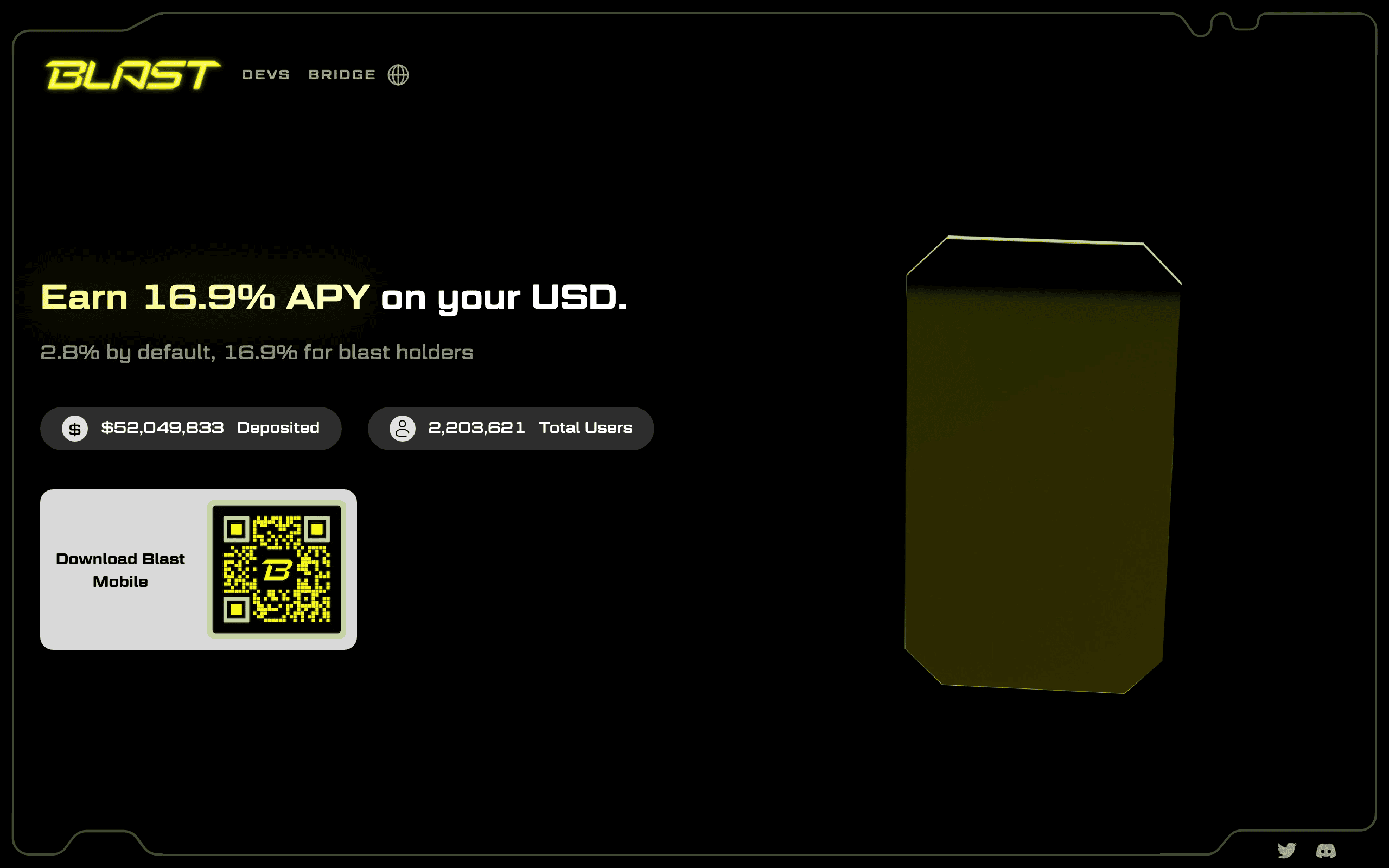
Bridging to Blast lets your capital earn while you use the network for DeFi activities. As of July 2026, default yields sit around 2.9-4% on ETH and up to 17.3% boosted rates for certain holders or stables according to live data on the official site. The process involves moving assets from Ethereum or other chains, after which yield accrues automatically through auto-rebasing tokens like USDB. Maximizing yield requires understanding bridging routes, timing entries, combining with secondary protocols, and using efficient swap tools.
Understanding Blast L2 Native Yield Mechanics
Blast generates yield by staking bridged ETH through established protocols and directing stablecoin inflows into on-chain T-Bill mechanisms. When users deposit ETH via the canonical bridge, the network stakes it and distributes the staking rewards back as increased balances. Stablecoins convert to USDB, which rebases automatically from MakerDAO's T-Bill yields. This design eliminates the zero-yield baseline common on other L2s.
The system compounds daily without user intervention. Yields fluctuate with underlying protocol performance and market conditions. For instance, ETH yield derives primarily from Lido staking returns, currently providing around 3% net as of mid-2026. Stablecoin yields incorporate RWA exposure, offering 1.3% baseline with potential boosts. Users receive these returns seamlessly because Blast's architecture integrates yield at the protocol level rather than requiring separate staking transactions.
This approach suits long-term holders seeking passive income alongside L2 scalability. Blast's total value locked and user base have grown steadily, with over 2.2 million users reported on blast.io. The yield model encourages bridging and holding rather than quick in-and-out movements, aligning incentives for ecosystem participation. However, yields are not fixed guarantees and depend on continued protocol health and Ethereum staking economics.
Practical takeaway: Bridge amounts you plan to keep deployed for weeks or months to capture compounding. Short-term traders may find native yields secondary to trading opportunities elsewhere. Blast's model provides a risk-free rate floor that other L2s lack, making it attractive for conservative yield strategies.
Prerequisites for Bridging and Yield Optimization
Before starting, prepare a compatible wallet such as MetaMask or Rabby with sufficient ETH for gas fees on Ethereum and any source chain. Ensure you understand KYC requirements on bridges, though many non-custodial options minimize this. Have target assets ready: ETH for maximum native yield or stables like USDC/DAI for USDB conversion.
Research current yields on blast.io and cross-reference with DeFiLlama for Blast chain metrics. Confirm supported networks—Blast connects primarily to Ethereum but third-party bridges extend reach. Budget for bridging fees, which range from a few dollars on native routes to higher on complex cross-chain paths during congestion.
Security setup includes enabling wallet protections and verifying contract addresses. Avoid bridging during high-volatility periods if possible. For yield maximization, identify secondary Blast protocols offering additional APY on top of native rates, such as lending markets or liquidity pools.
Gather documentation like official bridge URLs and monitor Blast's developer docs for any updates to yield sources. Users new to L2s should start with small test transfers. Finally, note that Blast currently relies on a multisig for certain operations, so factor in trust assumptions.
Choosing the Right Bridging Route
The native Blast bridge at blast.io offers the most direct path from Ethereum with automatic yield activation. Third-party bridges expand options from chains like Arbitrum, Optimism, or Solana. Evaluate routes by total cost, speed, and slippage.
Native bridging stakes ETH immediately upon deposit, starting yield accrual quickly. Cross-chain aggregators can route through multiple liquidity sources for better rates on non-ETH assets. Consider volume: high TVL routes often have lower fees.
Compare fees explicitly. Native routes typically cost under $5-10 in gas plus any bridge fees, while aggregator paths may add 0.1-0.5% in swap costs but enable single-transaction moves from distant chains. Timing matters—bridge during low Ethereum gas periods for savings.
For yield focus, prioritize routes that deliver assets in yield-bearing form fastest. Test small amounts first to verify completion and yield start. Official documentation emphasizes using verified bridges to avoid scams.
Step-by-Step: Bridging ETH from Ethereum
Connect your wallet to blast.io bridge interface. Select Ethereum as source and Blast as destination. Choose ETH amount, review estimated yield impact, and approve the transaction.
Confirm the bridge contract interaction in your wallet. Wait for confirmation on Ethereum, then the L2 deposit. Your ETH balance on Blast will begin earning automatically within minutes.
Monitor the transaction via blastscan.io explorer. Once complete, your balance reflects the staked position. Yield compounds without further action.
This process typically takes 10-30 minutes. Gas fees vary with network load—aim for under 20 gwei on Ethereum. Always double-check addresses to prevent loss.
Maximizing Yield with Stablecoin Strategies
Bridge stables to receive USDB, which auto-rebases from T-Bill protocols. USDB can later redeem back to DAI on Ethereum. Current yields reach 1.3% baseline with potential higher rates via community updates.
Combine with Blast DeFi protocols for leveraged returns. Deposit USDB into lending platforms or provide liquidity in yield-optimized pools. Track boosted rates for Blast token holders, which can push effective APY significantly higher.
Example scenario: Bridge $10,000 USDC to earn ~1.3% native plus additional 5-10% from secondary strategies, depending on market conditions as of 2026. Rebalance periodically but account for gas and slippage costs.
Avoid overexposure to single protocols. Diversify across stables if possible. Yield on stables tends to be more stable than variable staking returns.
Using Aggregators and Tools for Efficient Transfers
Non-custodial platforms facilitate preparation of assets across chains before final bridging. Baltex serves as a non-custodial crypto swap aggregator supporting 200+ networks and 10,000+ assets, enabling instant cross-chain exchanges without registration for most swaps. Users can swap to optimal assets on source chains then bridge, or handle post-bridge adjustments.
Aggregators reduce steps by routing through aggregated liquidity. This minimizes fees compared to sequential swaps. For Blast specifically, prepare ETH or stables via such tools for seamless entry.
Always verify aggregator routes against native options for cost. Baltex's privacy features, including Monero-based flows where available, add optionality but require understanding compliance screenings.
Integrate these tools into workflows for repeated bridging needs, such as moving funds from multiple chains. This approach suits users managing portfolios across ecosystems.
Advanced Yield Strategies on Blast
Beyond native rates, explore Blast-native DeFi for compounded returns. Provide liquidity in automated market makers or lend to borrowing protocols. Monitor points programs or incentive campaigns that reward bridged capital.
Example: Hold bridged ETH while farming additional tokens through ecosystem apps. Calculate net APY after fees and impermanent loss risks. Use Blast's mobile app for on-the-go monitoring.
Reinvest yields automatically where possible through reinvestment contracts. Track performance quarterly against benchmarks like Ethereum staking yields.
These strategies suit experienced users comfortable with smart contract interactions. Beginners should master native yield first before layering complexity.
Comparing Blast to Other L2 Yield Options
Unlike Arbitrum or Optimism with zero default yields, Blast provides a baseline return that compounds passively. However, other L2s may offer higher incentive programs or lower fees for specific activities.
Blast excels for ETH and stable holders prioritizing simplicity. For high-frequency trading, compare total costs including bridge round-trips. Data from sources like DefiLlama shows Blast TVL growth tied to its yield appeal.
Trade-offs include current centralization elements versus fully decentralized alternatives. Choose based on your time horizon and risk tolerance.
Risks and Security Considerations
Bridge only funds you can afford to lose. Smart contract risks, bridge exploits, and sequencer issues exist despite audits. Verify all contracts and use hardware wallets for large amounts.
Yield sources can change; monitor official announcements. Regulatory shifts may affect stablecoin yields or access. Phishing sites mimicking blast.io remain a threat—always access via bookmarks.
Baltex and similar tools undergo AML screening on flagged transactions. Maintain records for tax purposes in your jurisdiction.
Troubleshooting Common Bridging Issues
If a bridge transaction stalls, check explorer status and wait additional confirmations. High gas periods cause delays—retry during off-peak hours.
Yield not appearing? Confirm assets bridged through canonical route rather than unsupported paths. Contact support via official channels only.
For failed swaps on aggregators, review slippage settings and liquidity depth. Small test transfers help isolate issues.
When to Choose Alternative Approaches
Blast suits passive yield seekers but may not fit active traders needing fastest execution or lowest fees. Pure Ethereum mainnet or other L2s with strong incentive programs could outperform for short-term deployments. Evaluate total expected return including all costs before committing.
For privacy-focused transfers, explore options with stronger anonymity features, though none guarantee untraceability. Always match the tool to your specific use case rather than defaulting to one platform.
Market Context and Future Outlook for Blast in 2026
Blast's yield model positions it well amid maturing L2 competition. With Ethereum staking yields stable and RWA adoption growing, native returns should persist. Community governance may introduce new yield sources, enhancing attractiveness.
Watch for decentralization milestones that could reduce trust assumptions. TVL metrics and user growth on blast.io provide leading indicators. Integrate Blast bridging into broader portfolio strategies for diversified L2 exposure.
This comprehensive approach ensures users not only transfer assets successfully but also optimize returns through informed decisions. Start small, verify each step, and scale based on experience.
Related reading: Blast IO — Full Guide to the Network, Tokenomics & Ecosystem.
Related reading: Blast IO — Full Guide to the Network, Tokenomics & Ecosystem.
Related reading: Blast IO — Full Guide to the Network, Tokenomics & Ecosystem.
Related reading: Blast IO — Full Guide to the Network, Tokenomics & Ecosystem.