


 5 minutes to read
 Ecosystem
How to Buy Bitcoin and USDT in India (INR) (October 2026)
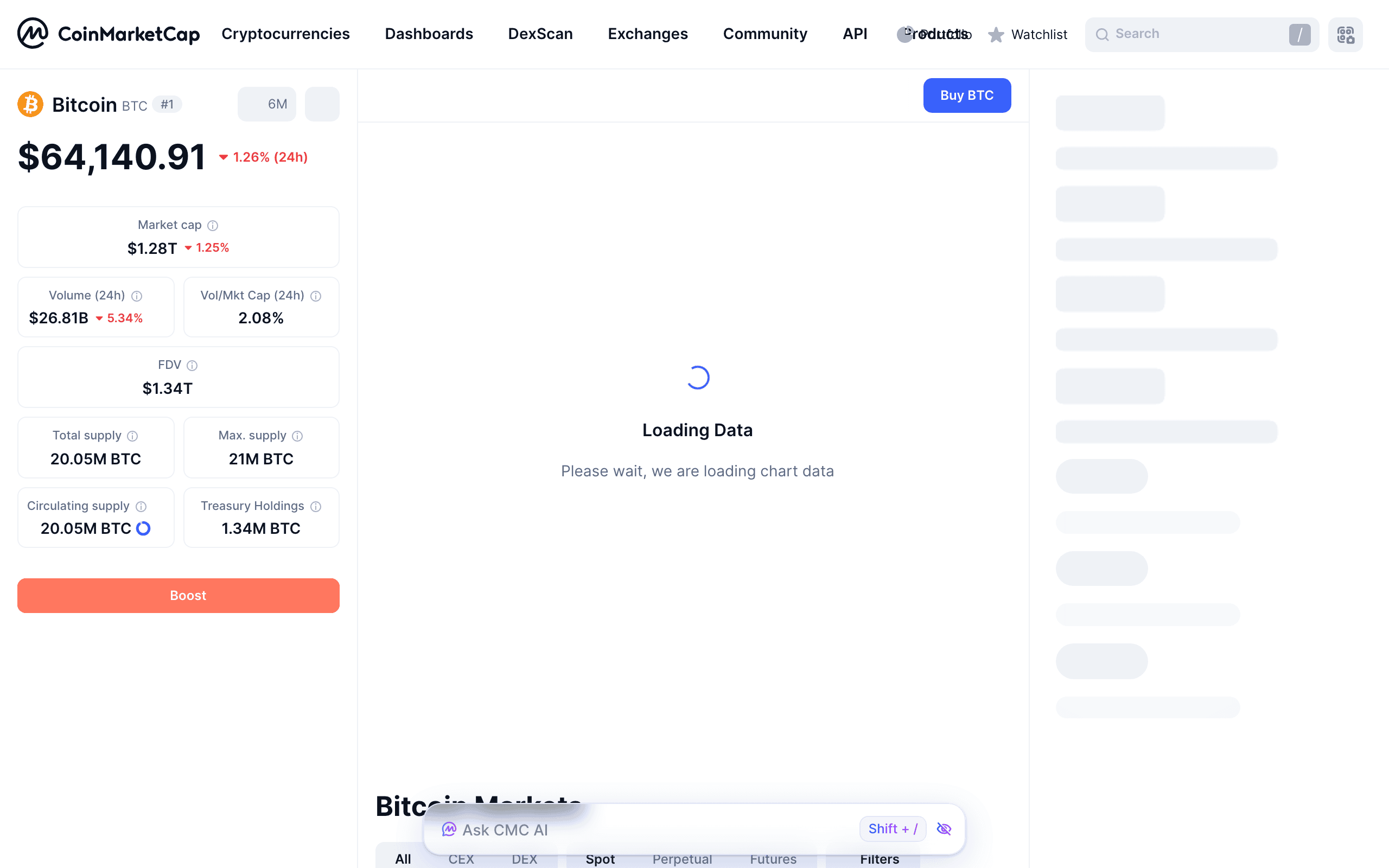
Buying Bitcoin and USDT with Indian rupees stays straightforward in 2026 if you stick to regulated channels. The process begins with verified INR deposits on FIU-IND registered platforms, then moves to non-custodial swaps for better privacy and cross-chain options. As of October 26, 2026, one Bitcoin trades at approximately ₹7,550,000 according to live data on CoinMarketCap.
India’s rules treat virtual digital assets as legal to buy, hold, and sell on compliant platforms, but they come with strict tax and reporting requirements. A flat 30% tax hits gains, plus 1% TDS withheld at source on most transfers. Losses cannot offset gains. The 2026 budget kept these rules in place, so users need solid records of every INR-to-crypto and crypto-to-crypto move.
TL;DR Quick Answer To buy Bitcoin and USDT in India: 1) Finish KYC on an FIU-IND registered exchange and deposit INR via UPI or bank transfer. 2) Buy USDT or BTC directly if the pair is available. 3) Withdraw to a personal non-custodial wallet. 4) Connect that wallet to Baltex for instant cross-chain swaps when you want to adjust holdings without opening new accounts. The steps and compliance notes follow.
Understanding Crypto Regulations in India (2026)
Crypto falls under the Prevention of Money Laundering Act and oversight from the Financial Intelligence Unit. Only FIU-IND registered platforms can legally serve Indian users. By early 2026, dozens of providers run under this system, all requiring full KYC, AML screening, and transaction reporting. Bitcoin and USDT count as VDAs, not currency, so they cannot serve as legal tender yet remain fully tradable.
Taxes rank among the strictest anywhere. Section 115BBH sets a 30% flat rate on VDA transfer profits. Section 194S adds 1% TDS on transfers above set thresholds, pulled at source by exchanges. Every transaction, including swaps, must appear in your tax return. Skipping this risks penalties. That is why many Indian users turn to non-custodial tools for the final step once assets clear the regulated on-ramp.
Stablecoins follow the same path. USDT stays legal to buy and hold when purchased on a compliant platform. Premiums over the official USD/INR rate can pop up during busy periods; comparing live quotes to the RBI reference rate helps avoid overpaying. The setup looks set to hold steady through the rest of 2026, with no major new crypto law expected.
Choosing the Right Starting Point for INR Deposits
Pick an FIU-IND registered exchange that accepts direct INR deposits via UPI, IMPS, or bank transfer. These platforms pull from accounts in your own name and supply clear records for taxes. Minimum deposits often start at ₹100–500, so beginners can get in easily.
Look for platforms with solid local payment options and clear fees. UPI deposits usually cost nothing or very little, while trading fees sit between 0.1% and 0.5% depending on volume. Always double-check the platform’s registration on the FIU-IND site before sending money. Skip unregulated P2P routes when you can—they raise counterparty and compliance risks.
Think about your end goal first. Want Bitcoin specifically? Hunt for direct BTC/INR pairs. Need USDT? Most platforms list USDT/INR. Once you hold either, non-custodial swaps let you fine-tune exposure across networks without extra exchange accounts.
Step-by-Step: Buying on an FIU-Registered Exchange
Step 1: Open an account and finish KYC. Hand over PAN, Aadhaar, a selfie, and bank details. Verification often wraps up in hours or one business day. The name on your bank account must match your verified identity exactly.
Step 2: Add INR via UPI or bank transfer. Choose the method, enter the amount, and complete the payment. Funds usually land in your wallet within minutes during banking hours.
Step 3: Head to the BTC/INR or USDT/INR pair. Check the live price, spread, and 24-hour volume. Use a market order for speed or a limit order to hit your target price.
Step 4: Confirm the order and review fees, including any TDS. The exchange credits the asset to your balance.
Step 5: Withdraw to your own wallet. Generate a deposit address in your personal wallet for the right network (BTC on Bitcoin or USDT on Tron for lower fees). Double-check the address and network before sending. Withdrawals carry a small network fee but no platform fee on INR deposits.
These steps get you into crypto through a compliant route with full tax documentation.
Securing Your Assets in a Non-Custodial Wallet
After buying on a centralized platform, move the assets to a wallet you control. Non-custodial options like MetaMask, Trust Wallet, or hardware devices give you sole access through your seed phrase and private keys. Never share the seed phrase. Turn on every security feature available, from biometrics to transaction confirmations.
Pick the network carefully when withdrawing USDT. Tron (TRC20) keeps fees much lower than Ethereum. Bitcoin needs its native network. Test with a small amount first. Store the seed phrase offline in several safe spots. A hardware wallet makes sense for bigger holdings. This move shields you from exchange risks and opens the door to decentralized tools.
Using Baltex for Instant Swaps to Bitcoin or USDT
With assets in your wallet, Baltex offers a non-custodial route to swap between cryptocurrencies across 200+ networks without registration for most operations. Connect your wallet, pick the asset you hold and the target (Bitcoin or USDT on the chain you want), review the aggregated quote, and confirm in your wallet.
Baltex pulls liquidity from many sources for competitive rates and includes private routing options when useful. Because it never takes custody, your funds stay in your wallet until the on-chain swap finishes. Same-chain swaps often complete in seconds; cross-chain routes take a few minutes. Always confirm token contract addresses and networks before signing.
This works well when you already hold USDT but want Bitcoin on another chain, or the reverse, without heading back to a centralized exchange. It also cuts the need for extra accounts.
Tax Implications and Record Keeping
Every swap and withdrawal counts as a taxable event in India. Track the INR cost basis for each asset, the date and value when you acquired it, and the fair market value at transfer time. Export histories from the first exchange and Baltex where needed.
The 1% TDS shows up on Form 26AS; match it to your records. Talk to a tax pro who knows VDA rules for bigger portfolios. Screenshots of prices at each step help accurate reporting.
Common Pitfalls and How to Avoid Them
Sending assets to the wrong network can mean permanent loss. Always match the network to the destination wallet. Skipping KYC or using someone else’s bank account can freeze funds—stick to registered platforms and your own accounts.
Phishing sites that copy exchanges or swap tools stay common. Check URLs and avoid random links. For bigger amounts, start small. Ignore any claims of guaranteed anonymity; on-chain activity stays traceable to different degrees.
When a Different Option Is the Better Choice
Non-custodial swaps on Baltex suit privacy-focused users who already hold crypto and want fast cross-chain moves without new accounts. If you need frequent fiat on- and off-ramps or tools like margin trading, a full-featured FIU-registered exchange may fit better. Very large institutional volumes often benefit from over-the-counter desks at some registered platforms for tighter spreads and dedicated support.
Practical Examples and Market Context
Deposit ₹50,000 via UPI on a registered exchange and buy USDT at a 1% premium. After fees you end up with roughly 490 USDT. Withdraw to a Tron wallet and use Baltex to swap part into Bitcoin on the native chain. The whole flow from deposit to final holdings can finish in under an hour once KYC clears. As of late October 2026, Bitcoin dominance and stablecoin use in India stay high, with USDT acting as the main bridge for altcoin trading.
Prices move fast, so alerts and limit orders help manage risk. Only risk what you can afford to lose and build positions gradually.
Security Best Practices
Turn on two-factor authentication everywhere. Use hardware wallets for holdings above a few thousand dollars. Review connected dApps regularly and revoke unneeded approvals. Watch your wallet addresses on block explorers for anything unexpected. These habits guard against both outside threats and simple mistakes.
Conclusion
Buying Bitcoin and USDT in India in 2026 works through compliant channels followed by non-custodial tools like Baltex for flexible swaps. Use the regulated on-ramp, secure assets in a personal wallet, and swap only when needed. Keep up with regulatory updates and keep detailed records for taxes. This path balances convenience, legality, and self-custody.
Related reading: Top Platforms to Buy XRP in 2025 – Ranked for Speed & Safety.
Is it legal to buy Bitcoin and USDT in India in 2026?
Do I need KYC to buy crypto in India?
What is the tax on crypto gains in India?
Can I buy USDT directly with INR without P2P?
How long does it take to buy Bitcoin in India?
Is Baltex safe for swapping crypto in India?
See others posts

G. Khan

The 10 Best Places to Buy Crypto Online in 2026
Ecosystem
G. Khan
The Cheapest Way to Buy Crypto: Fees by Payment Method Compared (October 2026)
Ecosystem
G. Khan
How to Buy Bitcoin and Ethereum in Canada (2026)
Ecosystem
G. Khan
How to Buy Bitcoin in the UK and Australia (October 2026)
Ecosystem
G. Khan
How to Buy Solana with a Credit or Debit Card (October 2026)
Ecosystem