



 5 minutes to read
 Ecosystem
How to Buy Monero (XMR) with a Credit Card Without KYC (2026)
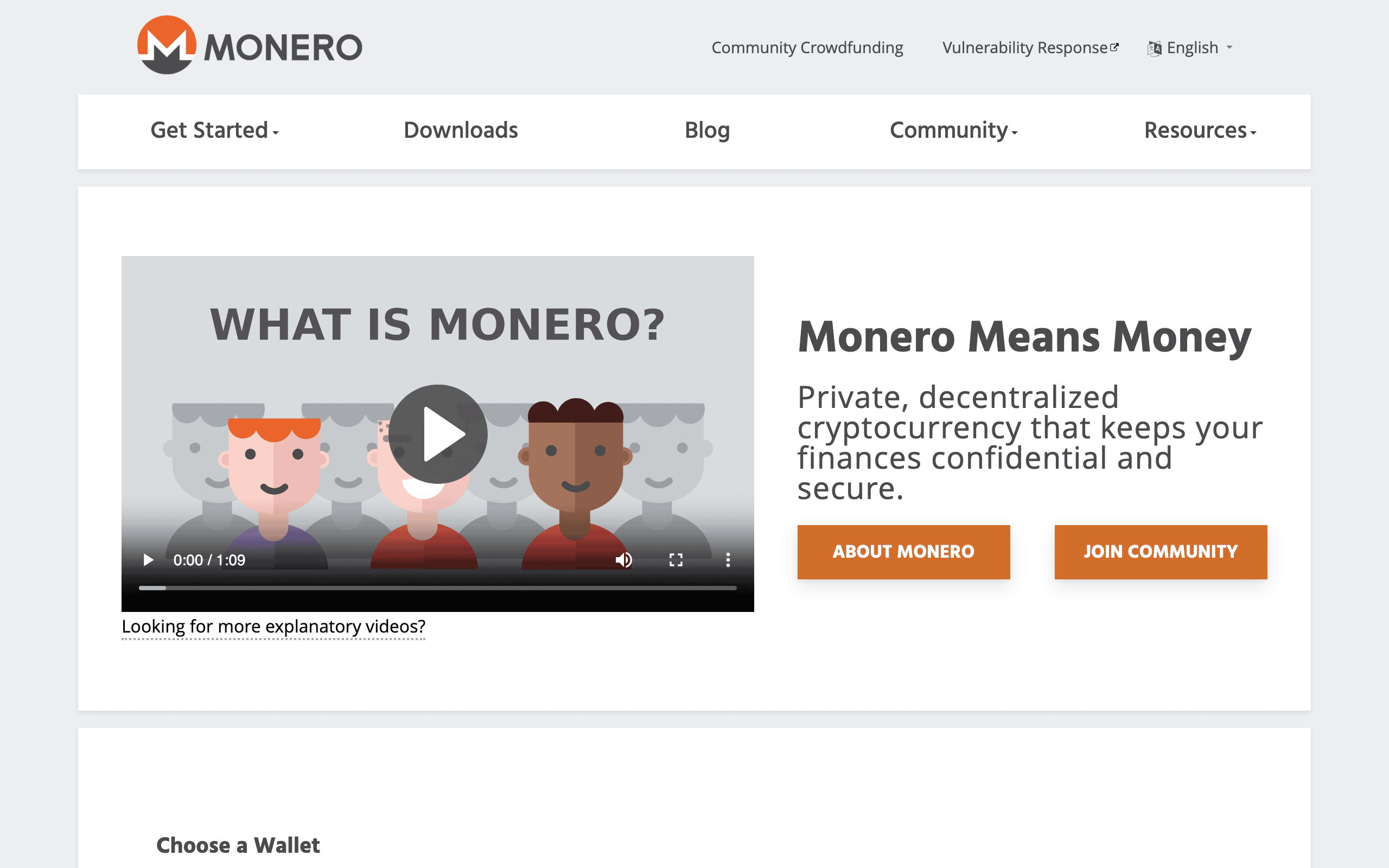
Monero stands out for its strong privacy features, including ring signatures and stealth addresses that keep transaction details hidden. Buying it straight with a credit card while skipping KYC is tough in 2026 because of tightening rules on fiat ramps. A workable path is to pick up a supported coin like USDT or BTC on a no-KYC on-ramp when possible, then swap it privately to XMR on a non-custodial aggregator.
Understanding the Landscape in 2026
Monero's focus on fungibility draws users who value financial privacy. Market data as of June 2026 shows XMR holding steady liquidity on decentralized paths. Direct card buys without verification stay limited since most centralized platforms demand KYC to meet AML rules. The workaround uses peer-to-peer or aggregator on-ramps for the first leg, followed by a cross-chain swap. It works well for smaller amounts in places where full anonymity faces limits but lighter paths still exist.
Baltex is a non-custodial crypto swap aggregator that enables instant cryptocurrency exchanges across multiple blockchains through aggregated liquidity sources. It supports Monero and offers privacy routing options for relevant flows without requiring an account for most swaps. This makes it a fitting tool for the conversion step in a no-KYC workflow.
The approach fits best under typical compliance thresholds, such as under $1,000 per transaction in many regions, where platforms often skip verification. Larger amounts usually call for bank transfers or P2P marketplaces with escrow. Always check local laws, as some areas restrict or ban no-KYC crypto activity.
Why Direct Credit Card Purchases Are Difficult
Credit card processors and exchanges push KYC to cut fraud and satisfy regulators like the SEC. In 2026, services offering direct XMR card buys without checks remain rare and often tied to high-risk or offshore options that can prove unreliable. Start instead by buying a widely supported asset such as USDT or BTC on platforms that allow no-KYC card transactions, usually via P2P features or specialized gateways. These first buys often carry 3-7% fees from card processing, yet they help preserve anonymity when the platform skips personal data collection.
Once you hold the asset, swap it to Monero. The two-step route adds time and cost but reaches the no-KYC goal. For example, a user in the EU might buy 0.01 BTC with a card for around $650 (as of June 2026 prices) on a P2P platform, then route it through an aggregator to XMR for an extra 1-2% swap fee. This keeps you out of centralized KYC databases while tapping Monero's privacy tools from the Monero Project documentation.
What You'll Need
Start with a non-custodial wallet that supports Monero, such as the official Monero GUI or CLI wallet from the Monero Project. Keep it updated to the latest 2026 version for security fixes. You'll also need a credit card that works with no-KYC on-ramps, a small test amount of fiat (begin with $50-100), and steady internet for watching transactions. A hardware wallet is handy for long-term XMR storage. No personal documents are needed for the main steps, though some on-ramps may flag large or repeated transactions for review under AML procedures.
Keep transaction explorer links handy, like those from the Monero Project, to check swaps on your own. Back up your wallet seed phrase offline before moving any funds.
Step 1: Research and Select a No-KYC Credit Card On-Ramp
Look for platforms that let you buy BTC or USDT with a credit card without mandatory KYC for small amounts. Focus on P2P marketplaces or gateways known for lighter checks in 2026. Search current options with terms like "no KYC crypto card purchase" and review recent user feedback on trusted forums, remembering that availability shifts with regulations.
Compare fees, supported cards (Visa/Mastercard), and limits. Some services cap no-KYC buys at $500-1,000 daily. Pick one with solid recent comments on speed. This step helps the initial fiat-to-crypto leg go through without handing over ID. Test with a tiny amount first to confirm the platform accepts the card without asking for documents.
Step 2: Complete the Initial Credit Card Purchase
Open your chosen on-ramp and start a purchase of BTC or USDT with your credit card. Enter the amount, paste the deposit address from your non-custodial wallet, and confirm. Expect 10-30 minutes for card authorization plus blockchain confirmation. Fees usually land between 3% and 5% including card charges and spreads as of mid-2026.
Watch the status on the platform dashboard and a blockchain explorer. Once it lands in your wallet, the crypto is yours. This step is atomic: after on-chain confirmation, you control the funds with no platform custody. Share only the receive address to limit exposure.
Step 3: Prepare for the Swap on a Non-Custodial Aggregator
Send the acquired crypto to a wallet that works with the swap service. For Baltex, which aggregates liquidity from multiple providers across 200+ networks including Monero support, make sure your wallet handles both the source asset and XMR. No registration is needed for most swaps on Baltex.
Check current liquidity and estimated rates for your pair, such as BTC to XMR. Baltex performs AML screening on transactions but does not require KYC for standard private swaps. Choose privacy routing if available for Monero flows to add obfuscation, while remembering that no system guarantees complete untraceability.
Step 4: Execute the Swap to Monero Using Baltex
Go to the swap interface on Baltex, pick the input asset (for example, BTC) and output asset (XMR). Enter the amount, review the estimated output after fees and slippage (typically under 2% combined), and confirm the destination Monero address from your wallet. Start the swap; the platform routes through aggregated sources for quick execution.
The process usually finishes in minutes once the input transaction confirms. Check receipt in your Monero wallet with official explorers. This non-custodial route keeps funds in your control the whole time, matching privacy goals for XMR purchases.
Step 5: Secure and Verify Your Monero Holdings
Right after the swap, back up your Monero wallet seed and store it offline. Test a small withdrawal or view-only address to confirm access. Use Monero's built-in privacy tools like subaddresses for future transactions. Keep an eye on the network for issues via Monero Project resources.
This last step locks in long-term security. In 2026, with Monero's continued updates, staying current on protocol changes helps guard against new risks.
How Much Does It Cost?
Total costs break down to 3-7% for the credit card on-ramp, 0.5-2% for the swap, network fees of roughly $1-5 depending on congestion, and possible spreads. For a $500 equivalent purchase as of June 2026, plan on $20-40 in combined fees. These numbers come from aggregated provider data and can shift with market conditions. Baltex's aggregation helps keep spreads tighter by routing across liquidity sources.
How Long Does It Take?
The credit card purchase takes 15-45 minutes for authorization and confirmation. The swap on an aggregator like Baltex adds 5-20 minutes. The full flow usually runs 30-90 minutes, excluding any manual reviews. Results come faster during quiet network periods.
Is It Safe?
Safety hinges on reputable no-KYC on-ramps and verified non-custodial tools. Risks include platform insolvency (avoided by non-custody), address mistakes, and regulatory moves. Always double-check addresses, begin small, and steer clear of phishing sites. Monero's privacy features add protection after you hold the coins, as outlined by the Monero Project.
Common Mistakes and Troubleshooting
A common slip is typing the wrong Monero address, which can mean permanent loss since transactions cannot be reversed. Fix: copy-paste with care and send a test amount first. Low liquidity can cause high slippage; review real-time estimates on Baltex before confirming. If a swap stalls, watch the transaction hash on explorers and wait for confirmations instead of retrying right away. Credit card declines often resolve with a different card or smaller amount. Keep offline seed backups to handle device problems.
Practical Use Cases and Limitations
This method suits privacy-minded users making modest purchases in regions with strict KYC on centralized exchanges, such as turning card funds into XMR for private transfers. It fits needs like funding privacy tools or building personal holdings where traceability matters. For large institutional buys or users who want fiat on-ramps with customer support, traditional KYC exchanges or bank wires work better. When speed and ease matter more than privacy, direct on-ramps with verification can be the simpler choice even with the data collection.
Market Context and Trade-offs as of 2026
As of June 2026, Monero shows consistent volume on privacy-focused routes per CoinMarketCap data. The no-KYC route trades convenience for anonymity but adds steps and fees compared with integrated buy options. Users gain control through non-custodial flows yet take on full security responsibility. This path matches Monero's core values while working within 2026's regulatory setting.
Additional Considerations for Different Jurisdictions
In the USA, stay under reporting thresholds and review tax rules. EU users should watch MiCA regulations that may affect future on-ramp options. In Asia and other regions, local P2P choices differ widely. Always confirm current platform policies, as they change. Baltex's support for 10,000+ assets across networks gives flexibility for routing around restrictions.
Advanced Tips for Experienced Users
Pair the process with a VPN for IP privacy when accessing on-ramps, though this never replaces solid wallet security. Track Monero network upgrades on official channels for compatibility. For regular buys, automate small swaps via APIs where aggregators support them, but test thoroughly first. Compare several no-KYC gateways to find the best rates for your specific card.
Future Outlook
By late 2026 and later, shifting regulations may tighten no-KYC options further and push more reliance on decentralized protocols. Monero's development keeps improving privacy tools. Staying informed through official sources helps adjust strategies. This guide offers a base you can adapt as new tools appear.
We cover this in more detail in SimpleSwap Review 2026: Pros, Cons, and Monero Exchange Fees.
We cover this in more detail in Instant Swap Services: The Go-To for Privacy-Conscious Users.
For more on this, see our guide on XMR.to Alternatives: How to Pay Bitcoin Invoices with Monero.
You can read our full breakdown in TL;DR: Quick Guide to Buying Crypto with Credit Card in 2025.
Can I really buy Monero with a credit card without KYC in 2026?
Is Baltex suitable for converting to Monero without KYC?
What are the risks of buying crypto without KYC?
How long does the process take?
Are there fees involved?
What if the swap fails or funds are lost?
See others posts
G. Khan

Algorand (ALGO) Price Prediction 2026 (October 2026 Update)
Ecosystem
G. Khan
Polkadot (DOT) Price Prediction 2026
Ecosystem
G. Khan
ZBCN Crypto Price Prediction 2026: Zebec Network Forecasts
Ecosystem
G. Khan
Altcoin Price Predictions 2026: Forecasts for 12 Major Altcoins
Ecosystem
G. Khan
Amp (AMP) Price Prediction 2026
Ecosystem
G. Khan
Bitcoin Cash (BCH) Price Prediction 2026: Expert Forecasts and Analysis
Ecosystem