



 5 minutes to read
 Ecosystem
How to Buy and Sell Bitcoin (June 2026)
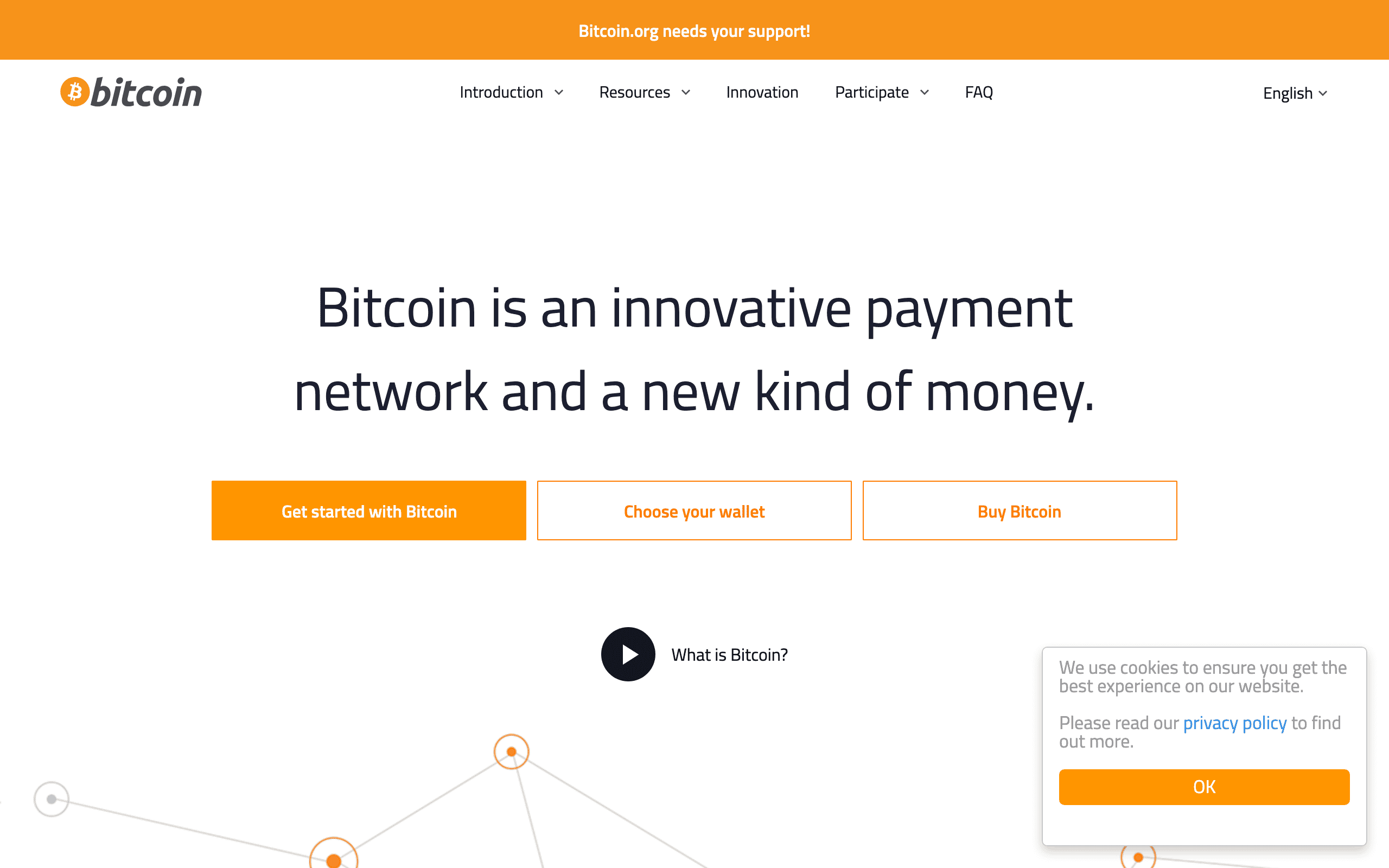
Bitcoin is the original cryptocurrency, a decentralized digital asset that operates on a peer-to-peer network without central authority. As of June 2026, it remains the dominant cryptocurrency by market capitalization and serves as a store of value for many investors worldwide.
Buying and selling Bitcoin involves selecting appropriate platforms, managing wallets securely, and understanding fees, taxes, and risks. This guide walks through practical steps for beginners and intermediate users in 2026, emphasizing self-custody and compliance with local regulations.
TL;DR Quick Answer
To buy Bitcoin: Choose a regulated exchange or app, complete verification, fund via bank transfer, and purchase. To sell: List on an exchange or use a peer-to-peer method, confirm the transaction, and withdraw fiat. For crypto-to-crypto swaps, non-custodial aggregators provide instant options without account creation for most trades. Detailed steps and considerations follow below.
What You'll Need Before Starting
Prepare identification documents for KYC on fiat platforms, a compatible wallet address for receiving Bitcoin, and a funding source such as a bank account. Decide on your jurisdiction's tax implications and ensure you understand volatility risks. Have a secure device and enable two-factor authentication everywhere. For swaps between cryptocurrencies, no registration is typically needed on aggregators.
Choosing the Right Platform for Buying and Selling
Selecting a platform determines fees, speed, and security level. Regulated centralized exchanges like Coinbase offer user-friendly interfaces with fiat support and customer service. They handle large volumes but require KYC and hold assets temporarily during trades. As of June 2026, Coinbase remains a popular choice for beginners due to its educational resources and insured hot wallets for certain assets.
Decentralized options and peer-to-peer marketplaces provide more privacy but come with higher risks of scams or lower liquidity. Non-custodial swap aggregators excel for crypto-to-crypto exchanges by routing through multiple liquidity sources without taking custody of funds. Users connect their own wallet, input the desired pair, and receive the output directly. This model suits those who already hold crypto and want to convert without intermediaries holding keys.
Compare spreads, withdrawal fees, and supported payment methods. Bank transfers via ACH or SEPA are usually cheapest for fiat on-ramps, avoiding the 2-4% premiums of credit cards. Always start with small test transactions to verify the process.
Setting Up a Secure Bitcoin Wallet
After purchase, move Bitcoin off the exchange to a wallet you control. Non-custodial wallets give you full ownership via private keys or seed phrases. Download official apps or use hardware devices for larger amounts. Generate a new address for each receive transaction to enhance privacy.
Backup your seed phrase offline on paper or metal and never share it. Test the recovery process with a small amount first. Software wallets work well for daily use, while hardware provides air-gapped security against online threats. As of June 2026, best practices include using wallets with multisig options for shared or high-value holdings.
Step-by-Step Guide to Buying Bitcoin with Fiat
- Create an account on a chosen platform and complete identity verification with government ID and selfie.
- Link your bank account and initiate an ACH or wire transfer to fund your balance.
- Navigate to the buy section, select Bitcoin, enter the fiat amount or BTC quantity, review the quote including fees, and confirm the purchase.
- Once complete, withdraw to your personal wallet address, double-checking it character by character.
This process typically takes minutes to a few days depending on funding speed. Monitor for any platform-specific limits or verification holds.
Step-by-Step Guide to Selling Bitcoin for Fiat
- Deposit Bitcoin from your wallet to the exchange deposit address.
- Place a sell order at market price or limit, specifying the amount.
- Confirm the trade executes and review the resulting fiat balance.
- Withdraw fiat via bank transfer, allowing 1-5 business days for settlement.
Use limit orders during volatile periods to control your exit price. Track transaction confirmations on the blockchain explorer before considering funds final.
Using Non-Custodial Swaps for Crypto-to-Crypto Trades
For converting Bitcoin to other assets or vice versa without fiat, non-custodial aggregators aggregate liquidity from various sources including centralized and decentralized providers. Baltex is a non-custodial crypto swap aggregator that enables instant exchanges across 200+ blockchain networks and 10,000+ assets. AML screening is performed, and users send from their wallet while the service routes optimally; output arrives directly without account creation for most swaps. Baltex does not require KYC for most cryptocurrency swaps, though transactions flagged by compliance procedures may be subject to additional review and identity verification.
This approach minimizes counterparty risk since funds never leave your control until the swap completes. It supports cross-chain operations seamlessly and includes privacy routing options via certain flows. Suitable for users holding multiple cryptocurrencies who need efficient rebalancing. Always compare live quotes and start small to understand slippage on larger trades.
Understanding Fees, Spreads, and Timing in 2026
Trading fees on major platforms range from 0.1% to 0.5% per trade, with additional network fees for on-chain withdrawals that fluctuate based on Bitcoin congestion. As of June 2026, average Bitcoin transaction fees hover around a few dollars during normal periods but can spike during high activity. Aggregators often display total cost upfront including any routing fees around 0.4-0.8%.
Timing sales or purchases around market hours or news events can affect execution prices. Dollar-cost averaging by buying fixed amounts regularly reduces the impact of volatility compared to lump-sum entries. Factor in potential capital gains taxes in your jurisdiction when calculating net proceeds from sales.
Security Best Practices and Common Pitfalls to Avoid
Never click suspicious links or enter seed phrases on unverified sites. Verify all addresses by copying from the official source and pasting carefully. Enable withdrawal whitelisting on exchanges where available. Use hardware wallets for holdings above a few thousand dollars.
Common mistakes include leaving large balances on exchanges, reusing addresses excessively, or falling for phishing during support interactions. Double-check transaction details before confirming. For swaps, review the exact output amount and any minimums to avoid failed or partial trades.
Market Context and Considerations for 2026
Bitcoin's price in 2026 reflects ongoing institutional adoption through ETFs and corporate treasuries alongside retail interest. Volatility remains a core characteristic, with cycles influenced by halvings, regulation, and macroeconomic factors. According to various analyst outlooks, ETF inflows continue to play a significant role in price discovery.
Long-term holders often benefit from holding through dips via strategies like dollar-cost averaging. However, those needing liquidity for specific goals or facing changing risk profiles may choose to sell portions. Always assess your personal financial situation rather than following general market sentiment.
Regulatory developments in major jurisdictions continue to shape accessibility, with clearer rules in some regions facilitating broader participation. Stay informed via official sources and consider consulting tax professionals for reporting obligations.
When Non-Custodial Swaps Are the Better Choice
Non-custodial aggregators like Baltex shine when you already hold crypto and want fast, private conversions across chains without KYC for routine swaps. They suit privacy-conscious users or those integrating into wallets and dApps via APIs. In contrast, for initial fiat entry or large regulated sales, centralized platforms with customer support and insurance features may be preferable despite temporary custody.
Evaluate based on your current holdings, desired speed, and tolerance for self-managed security. Test multiple options with small amounts to find the workflow that matches your needs.
Troubleshooting Failed Transactions or Delays
If a purchase fails, check funding status and platform alerts first. For on-chain issues, confirm sufficient network fees and wallet compatibility. Swap failures on aggregators often stem from liquidity shifts or address mismatches—review the quote expiration and retry with adjusted parameters.
Contact platform support with transaction hashes for exchange issues. For self-custody problems, never share private keys; instead, use recovery tools provided by the wallet software.
Advanced Tips for Frequent Traders
Set up recurring buys via exchange features for automated dollar-cost averaging. Monitor on-chain metrics like hash rate and active addresses for broader context. Integrate wallet tools that support direct swaps to streamline workflows. Keep records of all transactions for tax purposes, noting acquisition dates and costs.
Consider multisignature setups for shared or high-value portfolios to add an extra security layer. Stay updated on Bitcoin protocol upgrades that may affect wallet compatibility or fees.
This comprehensive approach ensures you can buy and sell Bitcoin confidently while prioritizing security and efficiency in 2026.
Related reading: XMR.to Alternatives: How to Pay Bitcoin Invoices with Monero.
You can read our full breakdown in Step 1: Choose a Platform That Supports Debit Card Purchases.
Related reading: XMR.to Alternatives: How to Pay Bitcoin Invoices with Monero.
You can read our full breakdown in TL;DR: Quick Guide to Buying Crypto with Credit Card in 2025.
For more on this, see our guide on How to Sell ETH: Quick and Safe Methods for Ethereum Holders.
What is the safest way to buy Bitcoin in 2026?
How much does it cost to buy and sell Bitcoin?
Can I buy Bitcoin without KYC?
How long does it take to sell Bitcoin?
Is it better to hold Bitcoin or sell in 2026?
What wallets are recommended for Bitcoin?
See others posts
G. Khan

How to Buy Bitcoin and USDT in India (INR) (October 2026)
Ecosystem
G. Khan
The 10 Best Places to Buy Crypto Online in 2026
Ecosystem
G. Khan
The Cheapest Way to Buy Crypto: Fees by Payment Method Compared (October 2026)
Ecosystem
G. Khan
How to Buy Bitcoin and Ethereum in Canada (2026)
Ecosystem
G. Khan
How to Buy Bitcoin in the UK and Australia (October 2026)
Ecosystem
G. Khan
How to Buy Solana with a Credit or Debit Card (October 2026)
Ecosystem