2 minutes to read
 Ecosystem
Top 5 Crypto Bridges List: Benefits and How to Use
Crypto bridge explained: If you have ever wished you could freely move your crypto assets between different blockchains, you are not alone. From exploring new DeFi platforms to accessing special token benefits, cross-chain transactions are essential in today’s crypto landscape. A crypto bridge is a tool that lets you “bridge” your assets from one blockchain to another, without going through cumbersome, centralized steps. As decentralized finance (DeFi) expands across multiple networks, understanding how to shuttle your tokens around seamlessly can open up a world of possibilities for yields, staking, and more. In this guide, you will discover exactly how crypto bridges work, the benefits of using them, and which platforms deserve a top spot on your shortlist.
Below, you will find a condensed overview (TL;DR) and then a deeper dive into the “why” and “how” of cross-chain bridges. By the end, you will know which bridges fit your trading style and how to protect yourself from common pitfalls. You will also learn how baltex.io can serve as a fast, secure swap platform that pairs well with just about any bridging strategy.
TL;DR
-
A crypto bridge is an application that lets you send tokens between different blockchains, improving liquidity and accessibility.
-
You typically lock your tokens on one network and receive equivalent tokens on another network.
-
The top 5 crypto bridges featured here each offer unique benefits, such as speed, wide network support, or user-friendly interfaces.
-
Safety features like audits, smart contract verifications, and multi-signature models are crucial for protecting your assets.
-
Always follow best practices, such as verifying contract addresses and using official project links.
-
baltex.io is a useful companion for quick token swaps, enhancing your cross-chain experience.
Understand crypto bridge basics
Crypto bridge explained
A crypto bridge is much like a technology “tunnel” connecting two separate ecosystems. For instance, you might have tokens on the Ethereum network but want to use them on a more cost-effective chain like Polygon or a specialized DeFi chain like Avalanche. Normally, these separate networks can’t directly communicate. This isolation makes it difficult to move your digital assets, leading to missed opportunities or complicated workflows.
However, a crypto bridge overcomes that isolation. When you want to move tokens from Chain A to Chain B, the bridge typically does the following:
-
Locks (or escrows) your original tokens on Chain A through a smart contract.
-
Mints equivalent tokens on Chain B, effectively representing your original holdings one-to-one.
-
When you are ready, you can burn those tokens on Chain B to release your original tokens back on Chain A.
This process means your tokens are never simultaneously in two places at once. Instead, copies or “wrapped” tokens exist on the second chain, maintaining your overall asset balance. A reliable bridge carefully manages these wrapped tokens and ensures the ratio remains consistent over time.
Why a crypto bridge matters
In a world of numerous blockchain protocols, each chain may have unique features or specialized DeFi sectors. If your tokens are stuck on just one network, you might be missing out on:
-
Lower transaction fees on certain Layer 2 solutions or sidechains.
-
Higher yields offered by smaller or newer DeFi ecosystems.
-
Access to specialized dApps or NFT marketplaces.
-
Better liquidity pools for specific tokens.
For you as a crypto trader or DeFi user, bridging can optimize your usage of multiple decentralized applications (dApps). A well-chosen bridge can help you cut costs, expose you to higher returns through yield farming, and let you participate in cross-chain NFT marketplaces. Overall, it’s more than just moving tokens around, it is about unlocking the full potential of your digital assets.
Know the essential evaluation criteria
When you’re comparing one bridge to another, there are a few key factors you’ll want to keep in mind. These criteria provide a framework for judging whether a given solution aligns with your priorities, such as maximizing security or ensuring rapid transfer speeds.
- Security updates and audits:
-
Does the provider schedule routine security audits?
-
Is there a history of exploits or vulnerabilities?
-
Are they transparent about addressing any past security breaches?
- Speed of transactions:
-
How fast are typical bridging times?
-
Are there known delays during peak usage hours?
-
Do they leverage Layer 2 solutions to boost speed?
- Supported networks and L2 integrations:
-
Which blockchains can you bridge between?
-
Are major ecosystems covered (e.g., Ethereum, BNB Chain, Polygon, Avalanche)?
-
Does the bridge offer easy connections to L2 networks such as Arbitrum, Optimism, or other rollups?
- Transaction fees:
-
How do bridging fees compare to alternatives?
-
Are fees consistent, or do they vary-by-network congestion?
-
Are there hidden or extra fees you should watch out for?
- Stability and reliability:
-
Does the network remain stable under high transaction volumes?
-
How do they handle partial transactions or network failures?
-
Are there transparent dispute resolution or refund mechanisms?
- Reputation and community feedback:
-
What do power users and developers say about the platform?
-
Are there active forums or social media groups offering tips or addressing concerns?
-
How quickly does the project’s team respond to user feedback?
Compare top 5 crypto bridges
In this section, you will find a detailed look at five popular crypto bridges. Each entry covers key features, usage steps, supported networks, and safety measures. By exploring their strengths and differences, you can decide which one resonates most with your strategies.
1. Portal by Wormhole
Portal is a cross-chain bridge solution powered by the Wormhole protocol. It aims to help you move assets between multiple networks smoothly. Portal is known for bridging tokens across ecosystems like Ethereum, Solana, BNB Chain, Polygon, and more.
Key features
-
Multi-chain flexibility: Portal supports a wide network range, including some emerging chains.
-
Modular protocol design: Wormhole sets up tailored modules that can integrate with multiple blockchains.
-
Developer ecosystem: The underlying Wormhole framework is constantly updated, helping the Portal app to stay secure and competitive.
Usage steps
-
Navigate to the official Portal (Wormhole) interface.
-
Connect your wallet, such as MetaMask or Phantom (depending on the chain).
-
Select the source chain and the token you want to bridge.
-
Specify the destination chain.
-
Approve and initiate the transfer, then wait for the transaction to finalize.
Once your tokens appear on the other side, you can use them in DeFi applications, liquidity pools, or other dApps on that chain.
Supported networks
Thanks to this wide coverage, Portal is an attractive choice if you need exposure to multiple ecosystems.
Safety features
Portal leverages the Wormhole protocol, which utilizes a network of “guardians” to verify cross-chain messages. This system helps reduce the risk of any single point of failure. Additionally, Wormhole is open source and regularly audited, ensuring transparency and letting users verify the code for themselves.
A large-scale exploit in 2022 rattled user trust. However, the exploit was fully reimbursed by third parties, and new protective logic was implemented. Wormhole has not faced an incident of similar scale since.
Most of Wormhole’s bridging transactions complete in several minutes.

2. cBridge by Celer
cBridge is a product of Celer Network, aiming to deliver low-cost, lightning-fast transactions for cross-chain movement. The project’s overall goal is to build an inter-blockchain communication system with scaling solutions like rollups.
Key features
-
High-speed transfers: cBridge has established a reputation for quick cross-chain operations.
-
Low fees: The Celer Network uses efficient routing to keep costs minimal, ideal if you move tokens frequently.
-
Layer 2 support: cBridge excels at bridging Ethereum Layer 2 solutions (like Arbitrum and Optimism) in addition to common mainnets.
Usage steps
-
Go to the cBridge web interface.
-
Choose the source chain and the destination chain from a dropdown.
-
Enter the token type and the amount you want to transfer.
-
Approve the transaction in your connected wallet (e.g., MetaMask).
-
Wait for confirmation to see your tokens on the target network.
When bridging between Layer 2 solutions, expect particularly fast transaction times and lower gas fees compared to bridging from Ethereum mainnet.
Supported networks
Its extensive Layer 2 and sidechain coverage make cBridge ideal for saving on gas costs. cBridge remains operational in 2026, though its volume sits far below the market leaders: a Tatum snapshot from April 2026 listed about $58.7 million in 30-day volume.
Safety features
Celer’s cBridge is both audited and community-trusted. Celer also implements a Robust State Guardian Network (SGN) to validate off-chain states on behalf of users, minimizing the chances of double-spending or malicious validators.
3. Synapse
Synapse is a cross-chain protocol focused on offering interoperability for both tokens and smart contract calls. The project sets out to provide liquidity pools for stablecoins and other assets, while also supporting bridging to multiple blockchains.
Key features
-
Powerful DEX integration: Synapse’s ecosystem includes a decentralized exchange for swapping tokens with low slippage.
-
Stablecoin bridging: Many traders use Synapse to move stablecoins like USDC or USDT across chains, a helpful tool for yield optimizers seeking fast conversions.
-
Cross-chain functionality for dApps: Synapse aims to be a universal layer for cross-chain smart contract calls, letting developers build multi-chain applications.
Usage steps
-
Go to the Synapse website and connect your wallet.
-
Select the “Bridge” tab, then pick your source chain, target chain, and token.
-
Input the amount to transfer.
-
Confirm and sign the transaction in your wallet.
-
Wait for the bridging process to complete, then proceed with your tokens on the destination chain.
Synapse also provides advanced liquidity and staking features for those interested in supporting the network in exchange for rewards.
Supported networks
-
Binance Smart Chain (BNB)
-
Several other EVM-compatible blockchains
Synapse continues to expand its network support. If you use stablecoins widely, Synapse’s stable pool bridging can be particularly convenient.
A built-in aggregator checks multiple liquidity pools, optimizing your cross-chain swaps.
Most bridging tasks finalize in under five minutes. Liquidity constraints on smaller chains sometimes introduce slight delays.
Safety features
Synapse’s contracts undergo security reviews, and the project highlights transparency by making most details openly accessible. Synapse also employs liquidity providers who add to the health of the protocol. While no bridging tool is 100 percent free from risks, Synapse attempts to mitigate vulnerabilities through regular audits.
A bug bounty program incentivizes community members to report potential threats.
4. Polygon Bridge
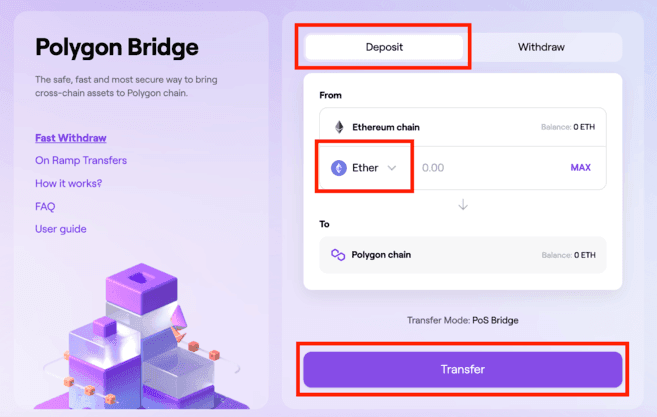
If you frequently explore Ethereum-based dApps, you may already know about Polygon. Offering a faster, more cost-efficient environment than Ethereum mainnet, Polygon has a native bridge that helps you move your assets in and out of the network.
Key features
-
Seamless Ethereum integration: Because Polygon is closely linked to Ethereum, bridging is relatively simple.
-
Official support: Polygon Bridge is backed by the Polygon team and is the main method for transferring ETH or ERC-20 tokens to Polygon.
-
User-friendly interface: The official Polygon Portal simplifies bridging tasks with easy prompts and minimal confusion for newcomers.
Usage steps
-
Connect your MetaMask or compatible wallet.
-
Select the token and specify how many you want to bridge.
-
Confirm the transaction in your wallet and wait for the bridging to finalize.
-
To move tokens back to Ethereum, pick “Withdraw” and repeat the process in reverse.
Be aware that bridging from Ethereum to Polygon or back can still incur Ethereum gas fees, so plan your transactions accordingly.
Supported networks
This is primarily a two-way solution between Ethereum mainnet and Polygon. If your main interest is bridging Ethereum-based tokens to Polygon for cheaper DeFi, this bridge is a top choice.
Safety features
Polygon Bridge undergoes regular audits and has the backing of a well-known team. Since it is the official route to and from Polygon, the ecosystem invests heavily in maintaining robust security. Keep in mind that gas fees can fluctuate on Ethereum, so it’s good practice to double-check network conditions before you start a transfer.
Polygon zkEVM, a separate chain with its own bridge, was sunset in 2026: its sequencer stopped on July 1, 2026, wallet-held funds not bridged before then are auto-migrated to Ethereum, and assets still unclaimed after December 31, 2027 are considered abandoned. Polygon zkEVM routes found in older bridge guides are no longer an option.
5. LayerZero
LayerZero is an omnichain messaging protocol that powers many token bridges and cross-chain apps. Since LayerZero V2, each application chooses its own verifier set through Decentralized Verifier Networks (DVNs), so the security of a transfer depends on the configuration behind it.
Security updates
-
Security depends on the verifier configuration each application selects: several independent DVNs can be required to sign off on a message, while a single required verifier is a single point of failure.
-
After the April 2026 Kelp DAO incident, LayerZero Labs said its DVN no longer serves 1-of-1 configurations for high-value transactions and that default settings are being migrated to require at least five verifiers where possible.

Exploit history
- On April 18, 2026, Kelp DAO’s rsETH bridge, built on LayerZero’s OFT standard, was drained of about 116,500 rsETH (roughly $292 million). LayerZero attributes the attack to North Korea’s Lazarus Group and admitted it should not have allowed its DVN to act as the sole verifier for high-value transactions. Kelp disputes LayerZero’s account and has announced a move to Chainlink CCIP.
Supported networks and L2 integrations
-
LayerZero supports a wide range of chains, including Ethereum, BNB Chain, Polygon, and Avalanche.
-
In 2026, compatibility with emerging L2s like Arbitrum Nova and Base offers bridging opportunities for projects experimenting with new rollup technologies.
Transaction speed
-
Transfers typically finalize in under three minutes.
-
Even during peak network times, you can generally expect sub-five-minute bridging.
Why it stands out
- Per-application verifier configuration (DVNs) gives teams control over their own security model, which is also the main risk when a single verifier is chosen.
Why Multichain is no longer on the list
Multichain (formerly Anyswap) appeared in earlier versions of this list. The project stopped operations in July 2023 after its CEO was detained in China, and its bridge should not be used.
More bridges to consider in 2026
Axelar
Axelar is a cross-chain communication network that extends beyond simple token swaps. Its focus is on universal interoperability, allowing developers to integrate cross-chain features directly into their dApps. By 2026, Axelar has grown into a robust option for bridging not just tokens, but also decentralized applications across various ecosystems.
Security updates
- Axelar uses a proof-of-stake consensus algorithm to validate cross-chain messages.
Exploit history
- No major exploits have been reported for Axelar in 2026.
Supported networks and L2 integrations
-
Multiple EVM-compatible networks are supported, including Ethereum, Polygon, Avalanche, and BNB Chain.
-
Non-EVM chains such as Cosmos-based projects are also integrated, which sets Axelar apart from some rivals.
-
Recent L2 additions include Arbitrum One, zkSync, and Optimism.
Transaction speed
-
Bridging times can vary, especially for non-EVM chains, but generally remain under ten minutes.
-
EVM-to-EVM transfers often take just a few minutes, thanks to protocol-level optimizations.
Why it stands out
-
The universal messaging layer means Axelar can do more than just move tokens—it can help unify dApps across networks.
-
Consistent audits and no major exploits in 2026 are a plus for security-conscious users.
Orbiter
Orbiter is known for its laser focus on transferring assets between Layer 2 chains. As L2 adoption surges, many bridges either overlook or offer limited support for these rollups, but Orbiter invests heavily in bridging Ethereum-based L2 solutions.
Security updates
- The community-run testnet environment identifies potential vulnerabilities before mainnet deployments.

Exploit history
- Orbiter hasn’t faced major exploits, likely because of its narrower scope.
Supported networks and L2 integrations
- Primarily focuses on Ethereum L2s such as Arbitrum, Optimism, and zkSync.
Transaction speed
-
Transfers between L2s are often near-instant, depending on the status of finality proofs.
-
When bridging from L1 to L2, average times hover around three to six minutes.
Why it stands out
-
Perfect for traders and dApp developers relying on L2 infrastructures.
-
Minimal exploits and an active testnet approach help maintain user trust.
Quick comparison table
Below is a side-by-side snapshot to highlight how these bridges perform in terms of speed, security, and network support.

Consider new contenders
While the top five bridges dominate the market in 2026, it’s worth mentioning that smaller projects often emerge, aiming to solve specific problems. Cross-chain dApps are popping up in niche areas, such as NFT bridging, specialized gaming tokens, and data transfer solutions that unify multiple blockchains under one application. If you have a unique need—like bridging NFT assets used in gaming or moving specialized tokens across less-popular networks—keep an eye on new entrants. Just be sure they undergo rigorous audits and maintain transparent documentation.
Stay safe when bridging in 2026
Even if a bridge has a stellar reputation, there are best practices you can follow to keep your funds and personal data secure. Here are a few reminders:
-
Diversify bridging paths: You could split large transfers into smaller ones across different bridge platforms. This way, even if one platform faces issues, you limit potential losses.
-
Monitor real-time network updates: If you see news of a possible exploit or downtime, delay your bridging operations. Staying current with official announcements helps you avoid bridging during high-risk moments.
-
Engagement with community: If you’re uncertain about a bridging step, jump into community forums or Discord servers for guidance.
Dive deeper into security measures
Security is a top concern if you’re moving high-value assets between blockchains. While mainstream bridges may be safer, no platform is 100 percent immune to risk. It pays to understand a bridge’s underlying claims. For instance, do they rely on a trusted third party to approve the transactions, or is it purely trustless? Are they using multi-sig wallets or specialized oracles? By digging into a project’s documentation, you’ll gain insights into how transactions are verified when you initiate a cross-chain swap.
What to look for in audits
-
Independent third parties: Larger security firms, such as those specializing in blockchain audits, are generally more reliable.
-
Full disclosure: Reputable teams summarize their audit findings and highlight both strengths and weaknesses.
-
Follow-up checks: A single audit from years ago might not reflect the current code. Ongoing, updated audits show a team’s commitment to safety.
Red flags in bridging projects
-
Vague documentation: If a project can’t explain how it bridges assets, it might be too risky.
-
Lack of transparency: Watch out for teams that dodge questions about exploit history.
-
No public testnet: Projects that skip a robust testing phase could be leaving major bugs undiscovered.
Keep an eye on emerging Layer 2 solutions
In 2026, L2 solutions have exploded in popularity. These include optimistic rollups, zero-knowledge rollups (zkRollups), and hybrid solutions aiming for lower fees and faster transactions. Bridges that interface well with these L2s are more likely to remain relevant as the market grows. You’ll want to watch how quickly a bridging solution adapts to new L2s or upgrades existing connections.
-
zkSync expansions: This technology significantly reduces gas costs by bundling transactions off-chain. Bridges that integrate zkSync routes can provide near-instant, low-fee swaps.
-
Arbitrum Nova updates: Arbitrum Nova uses a data availability committee to offer fast and cost-effective transactions. Bridges supporting Nova can move your assets with minimal friction.
-
Polygon’s zkEVM: Polygon zkEVM Mainnet Beta was sunset on July 1, 2026, when its sequencer stopped. Wallet-held funds are auto-migrated to Ethereum and claimable through a dedicated interface, so treat any zkEVM route as legacy.
Adapt to multi-chain DeFi strategies
By combining cross-chain bridging with yield farming, staking, or lending, you can optimize your overall DeFi returns. If that’s your plan, here are some tips:
-
Automate your bridging: If you plan frequent swaps, consider scripts or built-in tools that automatically bridge assets at set times.
-
Watch bridging times: Whenever yields are time-based (like a daily snapshot for staking rewards), bridging delays might make you miss certain opportunities.
-
Stay flexible: Regulations and protocols evolve. Keep a fallback plan in case your preferred chain imposes new rules or bridging fees.
Plan for future expansions and upgrades
While the bridging solutions highlighted here currently lead the market in 2026, DeFi evolves at lightning speed. Protocols layer new features on top of older frameworks, or they pivot to different consensus models. To avoid surprise disruptions:
-
Subscribe to newsletters or announcements: Many bridging projects share product roadmaps and testnet invitations.
-
Attend online AMAs: Ask Me Anything sessions with developers can reveal upcoming expansions, giving you a head start on the best bridging routes.
-
Bookmark official documentation: Developer docs and GitHub repositories often detail incremental upgrades. Skimming release notes can give you an early warning of any breaking changes.
Prepare for potential risks
Bridging assets isn’t just about quick transactions. You should also be prepared for any worst-case scenarios. Always remember:
-
Contracts may fail: Even well-audited code can have bugs.
-
Official teams can be slow to respond: Some projects might need days or weeks to deploy a patch.
-
Market volatility amplifies risk: If the value of your tokens drops significantly during a bridging delay, you could face unexpected losses.
One of the safest approaches is to begin with small transfers, see how smoothly the process works, and expand from there. No matter how strong a project’s reputation is, dipping your toes in first is usually the wisest approach.
Discover baltex.io potential
Bridging is only half of the cross-chain story. Once your tokens are on a new network, you might want to swap them into other assets, stake them in liquidity pools, or quickly diversify into different DeFi protocols. This is where a platform like baltex.io can complement your bridging efforts.
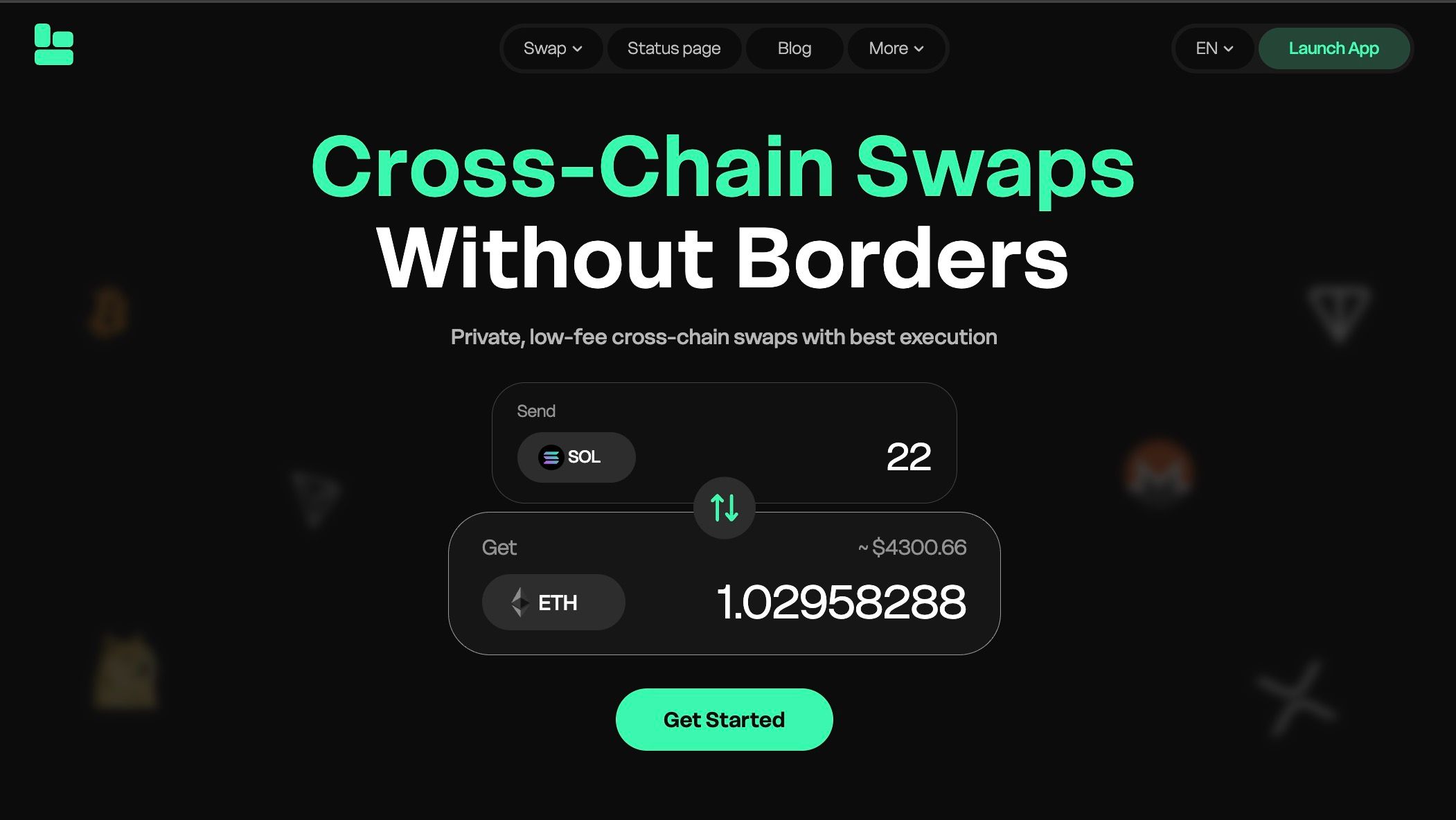
On baltex.io, you can:
-
Swap multiple tokens with minimal downtime, making it easy to rebalance your portfolio on a fresh blockchain.
-
Benefit from a user-friendly interface that guides you through the process in just a few clicks.
-
Use steady liquidity and fast confirmations, ensuring that you do not lose precious time in the often-fast-paced DeFi market.
-
Reduce friction when you want to pivot from one token to another on your newly chosen chain.
Imagine you have just bridged some USDC from Ethereum to Solana. You might want to swap that USDC into SOL or another asset that is more readily used in Solana’s DeFi environment. Heading over to baltex.io, you could swap quickly while enjoying competitive rates. This synergy between bridging and swapping can lighten your workload, letting you focus on finding the best opportunities across the blockchain ecosystem.
Because the DeFi world moves rapidly, keep an eye on updates and new integrations. Platforms such as baltex.io frequently add tokens, features, or partnership networks that may further streamline your cross-chain activity.
Frequently asked questions
What is the difference between bridging and swapping?
Bridging moves tokens from one network to another by locking or holding them on the source chain and minting or releasing them on the destination chain. Swapping typically changes one token for another on the same network. For instance, bridging is ideal to access a completely different chain, while swapping is meant to exchange tokens within that same chain.
How do I keep my assets safe while bridging?
First, always use official links and verify contract addresses in your wallet or bridging interface. Watch out for copycat or scam websites. Second, research whether the bridge you are using has undergone security audits. Finally, keep your private keys in a secure place and enable features like hardware wallet support if available.
Are there risks of bridging to smaller blockchains?
Smaller blockchains can be attractive because they often advertise lower fees or higher yield options. However, these networks may lack the same level of security or track record as more established chains. Use reputable bridges and consider the liquidity and security of your chosen destination before committing large amounts of capital.
How do gas fees work with bridges?
You will need to pay transaction fees on both the source chain (to approve and lock your tokens) and occasionally on the destination chain (to mint or receive them). Ethereum, for example, can be expensive if the network is busy. Layer 2 or sidechain solutions often reduce these costs considerably.
While some bridging solutions bundle these into a single transaction cost, others keep them separate, so you’ll need to calculate the total.
Liquidity constraints also matter. If a bridge’s liquidity pools run low on a certain token, your transaction could fail or incur high slippage, meaning you’ll end up with fewer tokens on the destination chain. Monitoring pool liquidity levels can help you avoid unexpected costs.
Can I reverse a bridging transaction?
Once the transaction is confirmed and executed on the blockchain, you cannot “undo” it in the traditional sense. However, you can bridge back by locking your tokens on the new chain and releasing them on the original chain (or performing the bridging process in reverse). Keep in mind that additional gas fees and bridging fees will apply.
Which wallet should I use for bridging?
Many bridges support popular web3 wallets such as MetaMask, WalletConnect-compatible apps, Phantom (for Solana), and others. Make sure the wallet you choose supports both your source and destination networks. When bridging to non-EVM chains like Solana or Terra, you will often need a specialized wallet plugin.
What happens to my tokens if something goes wrong mid-bridge?
If your bridging transaction encounters a glitch, such as a network interruption, typically the bridging protocol will have a record of your transaction and might revert it or require manual intervention. You should contact the bridge’s official support or consult their documentation for guidance on how to recover funds. In many cases, your tokens remain locked or pending until the system resolves the discrepancy, but vigilance is key.
Conclusion
If you find that being stuck on one blockchain feels limiting, a crypto bridge unlocks cross-chain exploration. Whether you want to cut fees, access new DeFi platforms, or chase specialized liquidity opportunities, the right bridge can broaden your horizons. By comparing Portal by Wormhole, cBridge by Celer, Synapse, Polygon Bridge, and LayerZero, you have a thorough foundation for making an informed decision.
Remember that proper research, wallet security, and adherence to best practices are crucial to safe bridging. Double-check contract addresses, watch out for scam versions of official sites, and always keep an emergency plan for reversing your bridge if something goes amiss. In tandem with a fast, secure swap platform like baltex.io, you can navigate new blockchains efficiently and adjust your portfolio whenever opportunities arise.
Ultimately, bridging is about flexibility. Whether it’s bridging stablecoins across networks with minimal fees, or bridging your favorite tokens onto a sidechain for speed and efficiency, cross-chain technology helps you stay competitive in a fast-moving cryptocurrency environment. By choosing the solution that fits your trading style best, you can optimize your asset transfers and elevate your entire DeFi experience.
We cover this in more detail in The Future of Zero-Knowledge Bridges: What to Expect in 2027.
We cover this in more detail in The Future of Zero-Knowledge Bridges: What to Expect in 2027.
We cover this in more detail in Cross-Chain Bridges - Best Blockchain Bridges to Use in 2026.
We cover this in more detail in The Future of Zero-Knowledge Bridges: What to Expect in 2027.