



 5 minutes to read
 Ecosystem
How to Buy Ethereum (ETH) With a Credit or Debit Card (November 2026)
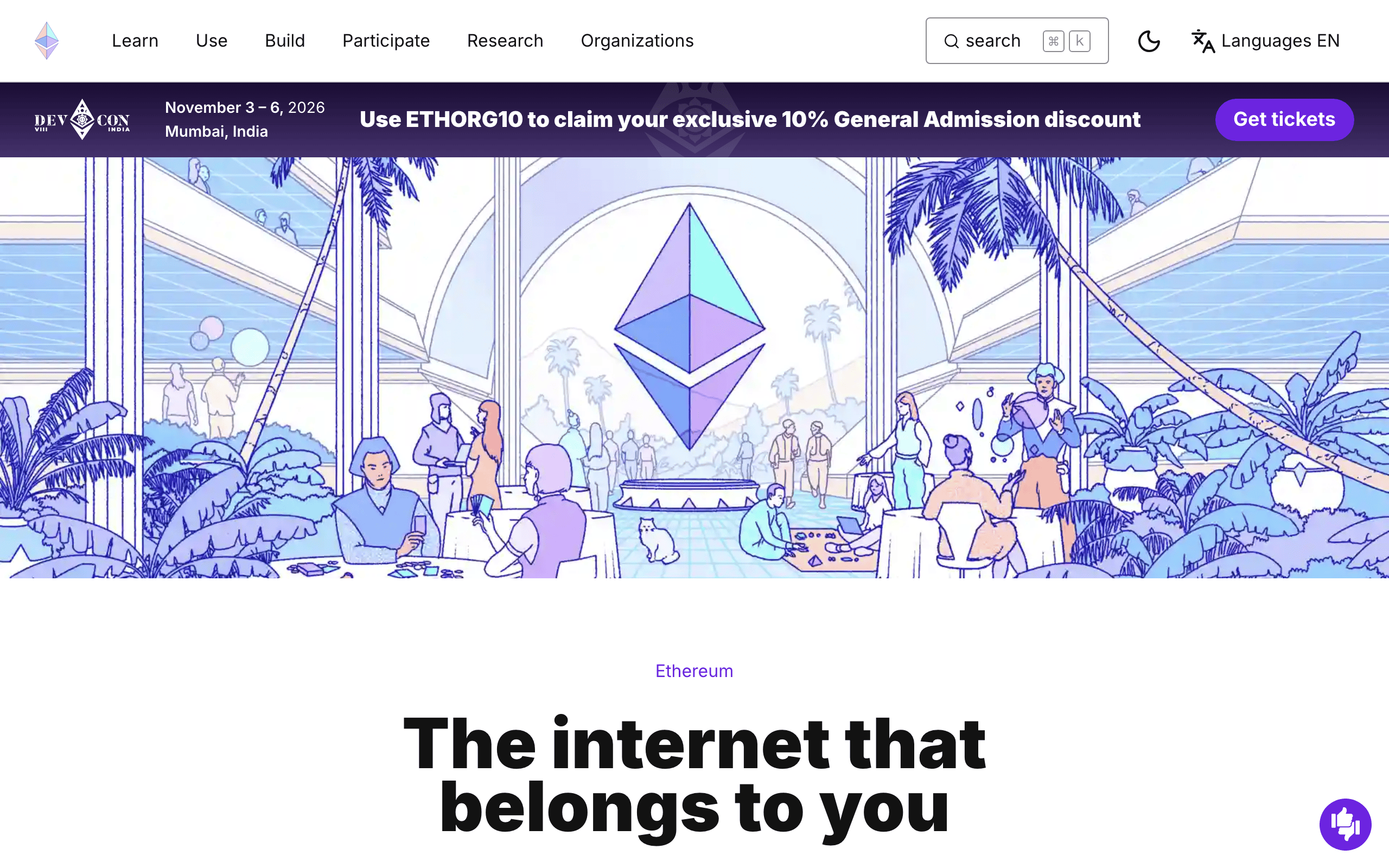
Ethereum ranks as the second-largest cryptocurrency by market cap and underpins a huge range of decentralized apps. Ethereum forms the backbone for DeFi, NFTs, and countless Web3 projects. Buying it straight with a credit or debit card gives newcomers and veterans alike one of the quickest ways to get ETH for transactions, staking, or trading.
This guide covers the full process as of November 2026, from what you need upfront through each step, costs, safety tips, and common pitfalls. The emphasis stays on sending ETH directly to your own wallet so you keep control of your assets.
TL;DR / Quick Answer
Buying Ethereum with a card breaks down to five main moves: prepare a wallet that supports the network you want, pick a provider or aggregator that accepts cards in your region, enter the fiat amount and your wallet address, finish any verification and payment, then confirm the ETH lands in your wallet. Providers usually display exact fees and the final amount before you commit. The sections below walk through the details.
What You'll Need
Start with a non-custodial wallet such as MetaMask, Trust Wallet, or a hardware device like Ledger if you want the ETH delivered straight to you instead of sitting on an exchange. Make sure the wallet supports Ethereum mainnet or whichever chain you choose—Arbitrum, Base, and others are common.
Your card needs to come from a bank that allows crypto purchases. Many issuers block or flag these transactions, so call ahead. Debit cards tend to clear more easily than credit cards, which some banks treat as cash advances with immediate interest and extra charges.
Keep a government-issued photo ID handy. Most providers run KYC checks even on modest amounts. A steady internet connection and an up-to-date browser or app complete the basics. Decide your spending amount in fiat first so you see the full cost including fees.
Rules differ by location. In the EU, MiCA-licensed providers offer the safest route. In the USA, options depend on your state and card network policies. Always confirm the service is legal where you live.
Market prices move, so check live quotes right before you buy.
Step 1: Choose a Provider or Aggregator
Pick a platform that supports card payments and sends ETH straight to your wallet. Aggregators such as SwapSpace pull real-time offers from multiple on-ramp services, letting you compare rates, fees, and payment methods in one view. That beats visiting sites one by one.
Direct choices include Paybis for fast card buys with clear fee breakdowns. Some centralized exchanges also accept cards, though they often require an account and may hold funds briefly.
Compare at least three quotes. Look for Visa and Mastercard support, low minimums from around $5, and the exact networks your wallet uses. Many providers pull liquidity from several sources to keep routing efficient.
Once you have the ETH, Baltex serves as a non-custodial crypto swap aggregator that lets you move it across more than 200 networks and 10,000 assets through aggregated liquidity. Most swaps need no registration, and the service runs AML screening on flagged transactions.
Step 2: Set Up or Open Your Wallet
Install or open your wallet app or browser extension. Create a fresh wallet if needed and back up the seed phrase on paper or another offline method. Never share it or type it anywhere online.
Copy your Ethereum address carefully and confirm it matches the network you selected. A small test transfer can build confidence, though most providers deliver reliably on first tries.
Turn on extra security like 2FA or biometrics. Remember that once the ETH reaches your address, you hold the private keys.
Step 3: Enter Purchase Details
On the provider or aggregator site, choose ETH as the destination asset and your local currency. Enter the fiat amount you want to spend so fees calculate automatically.
Paste your wallet address and double-check the network. Review the live quote that shows platform fee, card processing fee, and any network costs. The screen should display the exact ETH you will receive.
Check every detail. A wrong address or network can mean lost funds that are hard or impossible to recover.
Step 4: Complete Identity Verification
Card purchases almost always trigger KYC. Upload your ID and finish any selfie or video check. Times range from instant for repeat users to a few minutes or hours for first-time buyers.
Smaller amounts or certain providers may skip full checks, but expect verification for compliance. Aggregators like SwapSpace connect to regulated partners that handle the process.
Step 5: Make the Card Payment
Enter your card details on the secure checkout page. Credit-card users should confirm with their bank whether the charge will post as a purchase or cash advance. Debit cards usually process as ordinary purchases.
Approve any 3D Secure prompt or bank alert. Once approved, the payment moves quickly and you receive a confirmation with a transaction reference.
Step 6: Monitor the Transaction
After payment clears, the provider sends the crypto. Most deliveries finish in seconds to minutes. Watch progress in the provider dashboard or your wallet.
ETH arrives on the chosen network. You can verify the balance and transaction hash on a block explorer if you like.
Step 7: Secure Your ETH
Once the ETH lands, avoid extra moves if possible to keep fees low. For larger holdings, consider a hardware wallet. Enable every security option available.
If you need ETH right away for gas on Ethereum apps, leave enough after any planned swaps.
Step 8: Record for Taxes and Records
Note the purchase date, amount spent, fees paid, and ETH received. Tax treatment varies by country; many places view crypto buys as events that may need reporting. Check local rules.
How Much Does It Cost?
Card purchases usually add 2-5% in total fees from platform margins, card processing (often 2-4%), and network costs. Debit cards sometimes carry different structures than credit. Always review the preview that shows the final ETH amount. Bank transfers, when offered, cost less but take longer.
How Long Does It Take?
First purchases that include verification average 10-20 minutes. Repeat buys often finish in under 5 minutes. ETH delivery itself is near-instant once payment confirms on most platforms.
Is It Safe?
Safety hinges on using regulated providers and guarding your own keys. Card payments can add consumer protections in many regions. Avoid suspicious links and never share seed phrases. Stick to official apps and verified URLs.
Common Mistakes and Troubleshooting
Card declines usually trace back to issuer policies. Contact your bank to allow crypto transactions or switch to debit. Address or network mismatches cause failed deliveries—copy and paste carefully.
Unexpected fees catch people who only look at the ETH amount. Always study the full quote. Verification can slow down during busy periods or with incomplete documents, so prepare clear scans ahead of time.
Picking the wrong network risks lost funds. Confirm the chain before you proceed. If ETH does not arrive on time, reach out to provider support with the transaction ID.
Phishing sites copy legitimate providers. Use only trusted domains and never enter details on unverified pages.
Practical Use Cases and Limitations
Card purchases work well when you need ETH fast for DeFi activity, want to test small amounts, or lack access to bank transfers. They suit users who value speed over the lowest cost.
For bigger sums or tighter budgets, bank transfers or P2P routes often cost less. Per-transaction and daily limits usually run $1,000–$5,000 depending on the provider and verification tier. The method is less practical for frequent large buys because fees add up.
When other options win: recurring buys via bank transfer cut fees; direct DEX purchases need existing crypto on hand; high-volume or institutional traders may prefer OTC desks.
Additional Considerations for 2026
Regulations keep shifting, especially under frameworks like MiCA in Europe. Licensed providers stay available in more places, while card networks set their own merchant rules. Prices can shift slightly between quote and delivery, though most platforms lock rates at confirmation. Starting small helps you learn the flow without risk.
Baltex can complement purchases by enabling subsequent non-custodial swaps across its supported 200+ networks without requiring an account for standard transactions.
This approach lets you enter the Ethereum ecosystem quickly while following solid self-custody and security habits.
Related reading: ChatGPT AI Scenario Analysis: $3,400 Midpoint for Early 2027.
For more on this, see our guide on Across Protocol Review: The Cheapest Bridge for Ethereum L2s.
Can I buy Ethereum with a credit card?
What are the fees for buying ETH with a card?
How long does it take to buy Ethereum with a card?
Is it safe to buy ETH with a credit card?
Do I need KYC to buy Ethereum with a card?
Can I buy less than one Ethereum?
What happens if my card is declined?
Where can I buy Ethereum with a card in the EU or USA?
See others posts
G. Khan

Why Is My Crypto Swap Taking So Long (November 2026)
Ecosystem
G. Khan
How to Recover Funds Sent Without a Memo or Destination Tag (November 2026)
Ecosystem
G. Khan
Sent Crypto to the Wrong Network? How to Recover It (2026)
Ecosystem
G. Khan
Fixed Rate vs Floating Rate Crypto Exchange: Which to Choose (2026)
Ecosystem
G. Khan
How to Swap LTC to BTC: Fees, Networks and Step-by-Step Guide (November 2026)
Ecosystem
G. Khan
How to Swap XRP to USDT (November 2026)
Ecosystem