



 5 minutes to read
 Ecosystem
How to Buy TON (TON) With a Credit or Debit Card (November 2026)
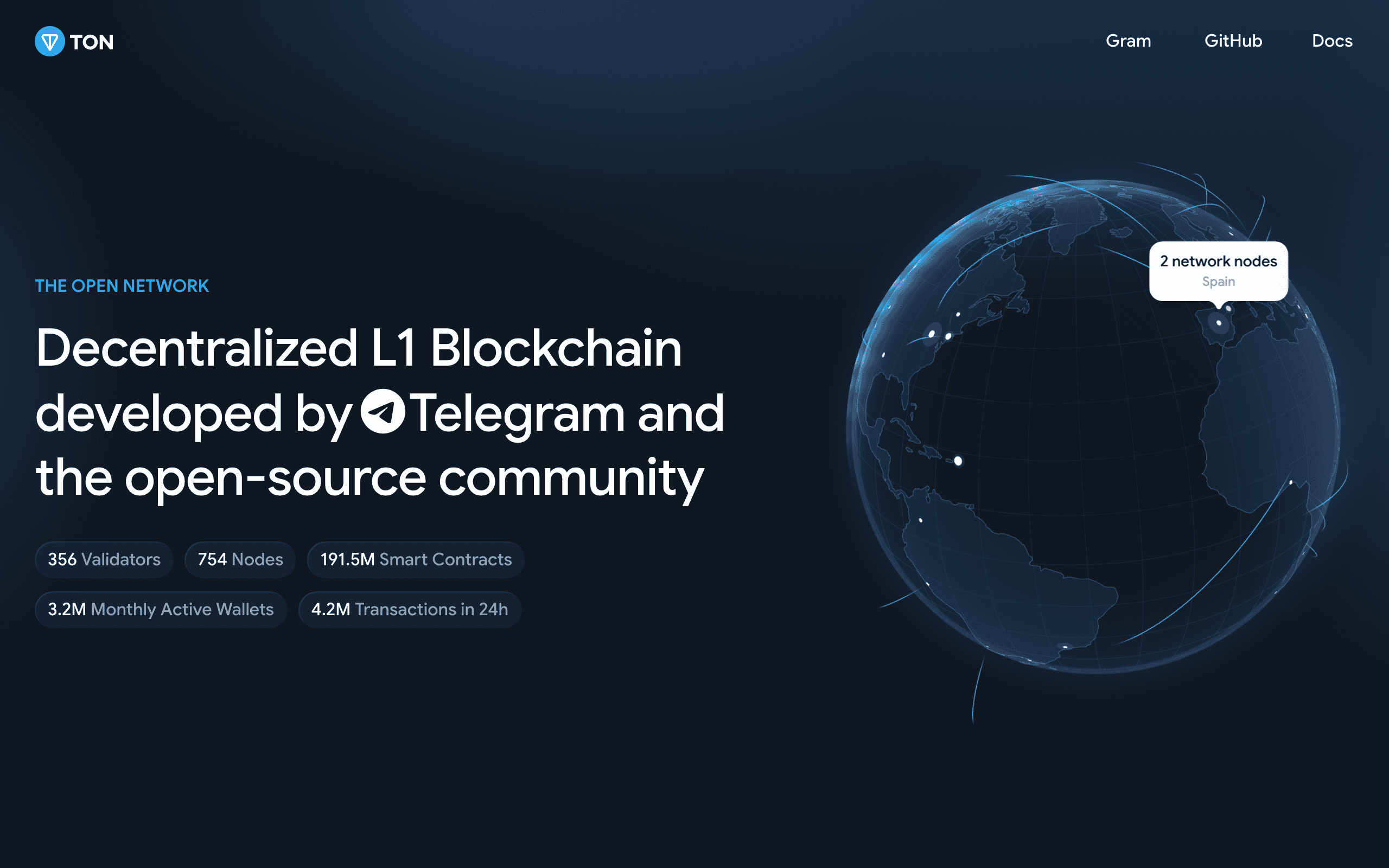
Toncoin powers fast, low-cost transactions on The Open Network, a high-throughput Layer-1 blockchain integrated with Telegram's massive user base. As of November 2026, buying TON directly with a credit or debit card remains one of the quickest on-ramps for beginners and experienced users alike.
Understanding TON and Its Market Position
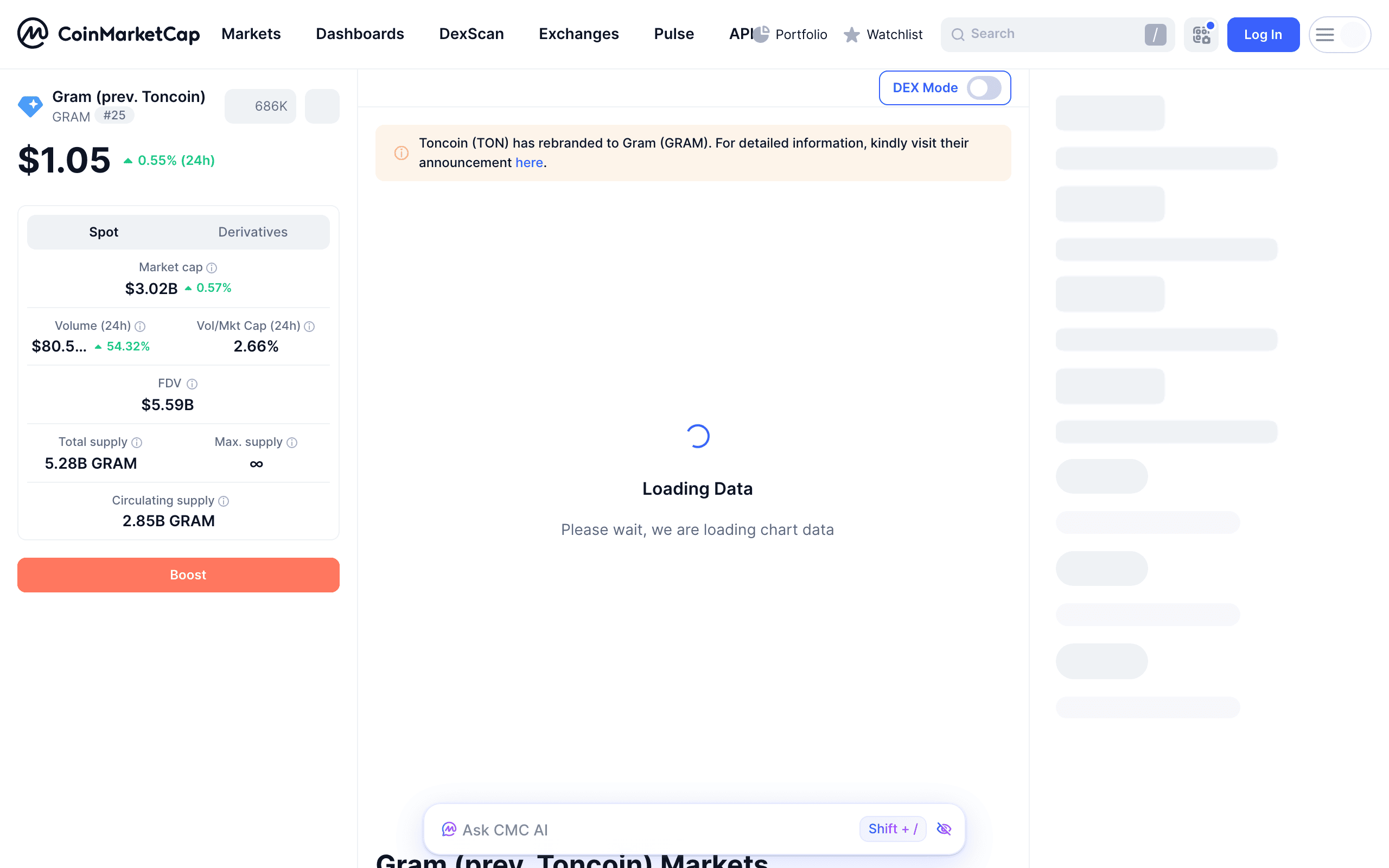
Toncoin serves as the native cryptocurrency for The Open Network, handling transaction fees, staking, and payments across decentralized applications. According to CoinMarketCap, TON trades around $1.79 with a market cap exceeding $4.4 billion and a circulating supply of approximately 2.48 billion tokens as of late 2026 data. The blockchain emphasizes sub-second finality and near-zero fees, making it ideal for micro-payments, gaming, and Telegram mini-apps.
Purchasing with a card bypasses the need for prior crypto holdings, appealing to those entering from traditional finance. Card purchases suit small-to-medium amounts where speed matters more than minimal fees. For users in supported regions like the US or EU, providers process payments via 3D Secure for fraud protection. However, some banks classify crypto buys as cash advances, triggering higher interest rates—always confirm with your issuer.
This method works best for immediate needs such as funding a Telegram wallet or testing dApps. In contrast, bank transfers or P2P options often cost less for larger sums but take longer. Market volatility means prices can fluctuate during the purchase window, so review live quotes carefully.
What You'll Need Before Starting
Prepare a compatible TON wallet supporting the native network, such as Tonkeeper or the official TON wallet. Ensure your credit or debit card is enabled for international or crypto transactions and has sufficient available credit. Verify your region supports the chosen provider—availability differs by country due to regulations.
Have a small test amount in mind, typically starting at $10-50, to familiarize yourself with the flow. Review any provider-specific limits, like daily caps of $10,000 for verified users on certain platforms. Gather basic identification if KYC is triggered, including a government-issued ID and proof of address. Finally, note the exact wallet address where TON will arrive to avoid loss from typos.
Choosing a Reliable On-Ramp Service
Select providers with strong security track records and transparent fee structures. Options include dedicated on-ramps like CoinGate or integrated solutions in wallets such as Gem Wallet. Compare real-time quotes across services for the best rate and lowest total cost, including network fees.
Non-custodial aggregators add flexibility by routing through multiple liquidity sources without holding funds. For users preferring self-custody throughout, these tools minimize counterparty risk. Always check supported payment methods—Visa and Mastercard dominate, with Apple Pay or Google Pay as alternatives in some regions.
Step-by-Step Guide to Purchasing TON
Begin by visiting a trusted on-ramp and selecting TON as the target asset. Enter the fiat amount in your local currency, such as USD or EUR, and review the displayed quote showing exact fees and expected TON received. Input your TON wallet address, confirming it matches the correct network to prevent delivery errors.
Proceed to payment by entering card details and completing any 3D Secure authentication prompted by your bank. Monitor the transaction status; most approvals occur instantly, with TON arriving in 5-15 minutes. Double-check the final balance in your wallet explorer once confirmed.
Repeat purchases become faster after initial setup, but treat each as a fresh verification of address and quote. For amounts over certain thresholds, expect additional compliance checks.
Integrating Baltex for Seamless Follow-Up Swaps
Baltex is a non-custodial crypto swap aggregator that enables instant cryptocurrency exchanges across multiple blockchains through aggregated liquidity sources. After acquiring TON via card, users can leverage Baltex for cross-chain swaps without registration for most transactions, supporting over 200 networks and 10,000 assets including TON. This fits naturally when converting portions of your purchase to other tokens or bridging to ecosystems like Ethereum or Solana.
The platform's privacy routing options, such as Monero-based flows, provide additional flexibility while performing AML screening. Choose Baltex when you need quick, account-free swaps post-purchase rather than holding everything in one wallet.
Fees, Limits, and Expected Timelines
Card purchases typically incur 2-4% all-in fees covering processing, provider margins, and any network costs, varying by region and volume. US users on platforms like CEX.IO may see around 2.99% for Visa/Mastercard with daily limits up to $10,000 after verification. Processing completes in minutes for card payments versus hours or days for bank transfers.
Limits depend on verification level—unverified users face lower thresholds, often $500-1,000 daily. Always review the full breakdown before confirming, as hidden charges can erode value. As of November 2026, quotes update in real time reflecting market conditions.
Security Best Practices for Card Purchases
Verify every URL and avoid phishing links mimicking legitimate services. Enable two-factor authentication on any associated accounts. Never share seed phrases or private keys, even with support teams. Use hardware wallets for larger holdings after the initial card buy.
Monitor bank statements for unexpected charges and dispute fraudulent activity promptly. For added safety, start with small test transactions to confirm delivery before scaling up.
Common Mistakes and How to Avoid Them
One frequent error involves sending funds to an incompatible address or network, resulting in permanent loss—always copy-paste and verify the full string. Another is ignoring fee disclosures, leading to receiving less TON than anticipated. Users sometimes overlook regional restrictions, attempting purchases in unsupported jurisdictions.
Skipping wallet setup beforehand delays the process. To troubleshoot failed payments, check card issuer blocks or try an alternative provider. If KYC is requested unexpectedly, prepare documents in advance to expedite resolution.
When Card Purchases Excel and When Alternatives Shine
Card buys suit quick entries, small amounts, or users without existing crypto balances, especially for Telegram ecosystem integration. They provide instant access for payments or mini-app funding. However, for amounts exceeding a few thousand dollars or cost-sensitive buyers, bank transfers or stablecoin swaps often prove more economical despite slower speeds.
Non-custodial options like Baltex excel post-purchase for efficient cross-chain movement without custody risks. Evaluate your specific needs—speed versus cost, custody preferences, and regulatory environment—before committing.
Regulatory Considerations Across Jurisdictions
Availability and requirements differ globally; US and EU users face KYC on larger sums, while some regions offer lighter options. Always comply with local tax reporting for crypto acquisitions. Consult official resources for updates, as rules evolve with market growth.
This approach ensures informed decisions tailored to 2026 conditions.
Related reading: TL;DR: Quick Guide to Buying Crypto with Credit Card in 2026.
For more on this, see our guide on How to Buy Solana (SOL): Where and How to Buy (October 2026).
Can I buy TON directly with a credit card?
Is KYC required to buy TON with a card?
What are typical fees for buying TON with a card?
How long does it take to receive TON after paying with a card?
Is it safe to buy TON with a credit card?
Can I buy TON without creating an account?
See others posts
G. Khan

Why Is My Crypto Swap Taking So Long (November 2026)
Ecosystem
G. Khan
How to Recover Funds Sent Without a Memo or Destination Tag (November 2026)
Ecosystem
G. Khan
Sent Crypto to the Wrong Network? How to Recover It (2026)
Ecosystem
G. Khan
Fixed Rate vs Floating Rate Crypto Exchange: Which to Choose (2026)
Ecosystem
G. Khan
How to Swap LTC to BTC: Fees, Networks and Step-by-Step Guide (November 2026)
Ecosystem
G. Khan
How to Swap XRP to USDT (November 2026)
Ecosystem