



 5 minutes to read
 Ecosystem
How to Buy Dogecoin (DOGE) With a Credit or Debit Card (November 2026)
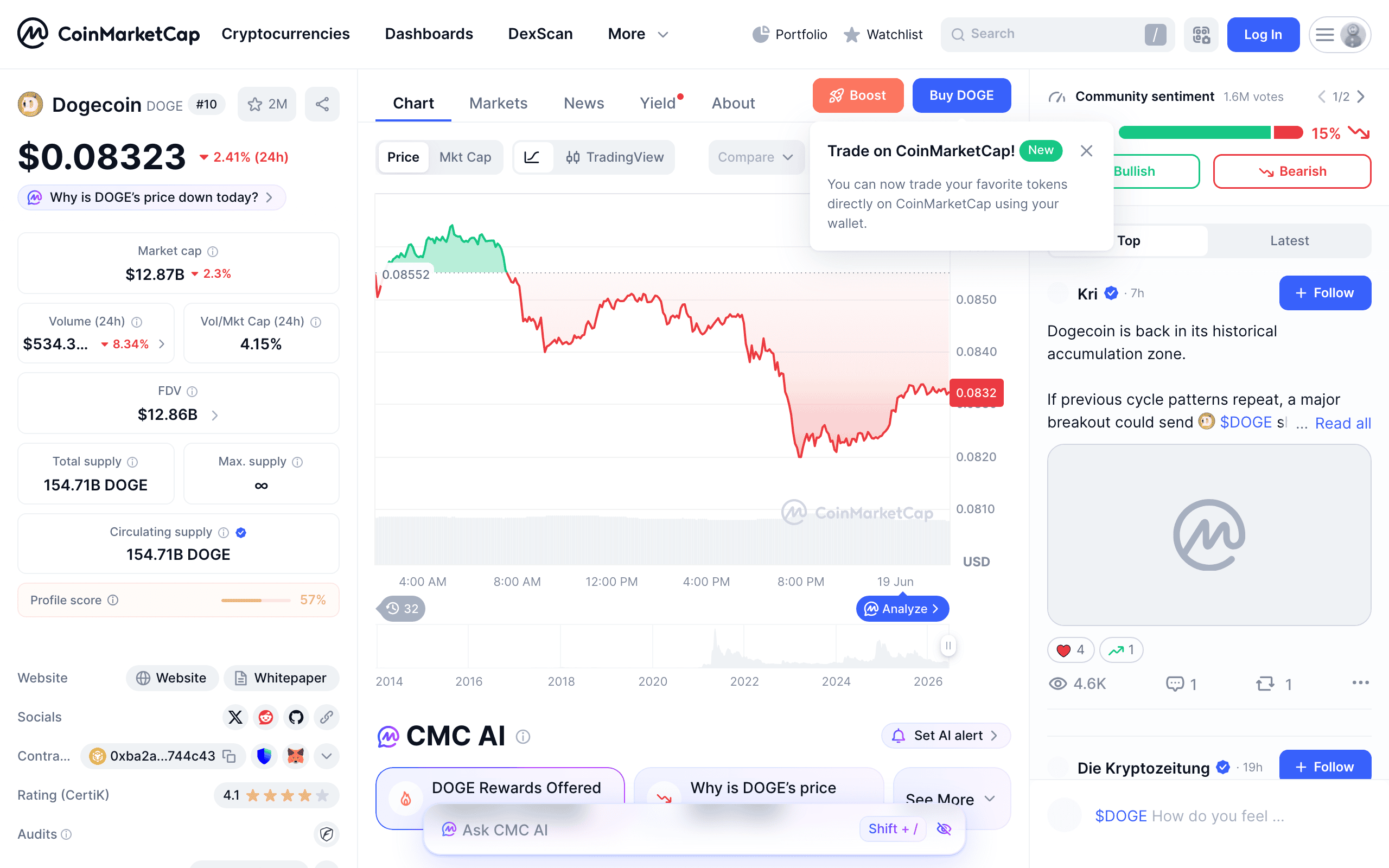
Dogecoin is an open-source peer-to-peer digital currency that has built a loyal following, especially among meme enthusiasts and casual users. As of November 2026, the price sits around $0.058 to $0.06, with a market cap near $9.2 billion according to CoinMarketCap: "The live Dogecoin price today is $0.058758 USD with a 24-hour trading volume of $554,987,001 USD."
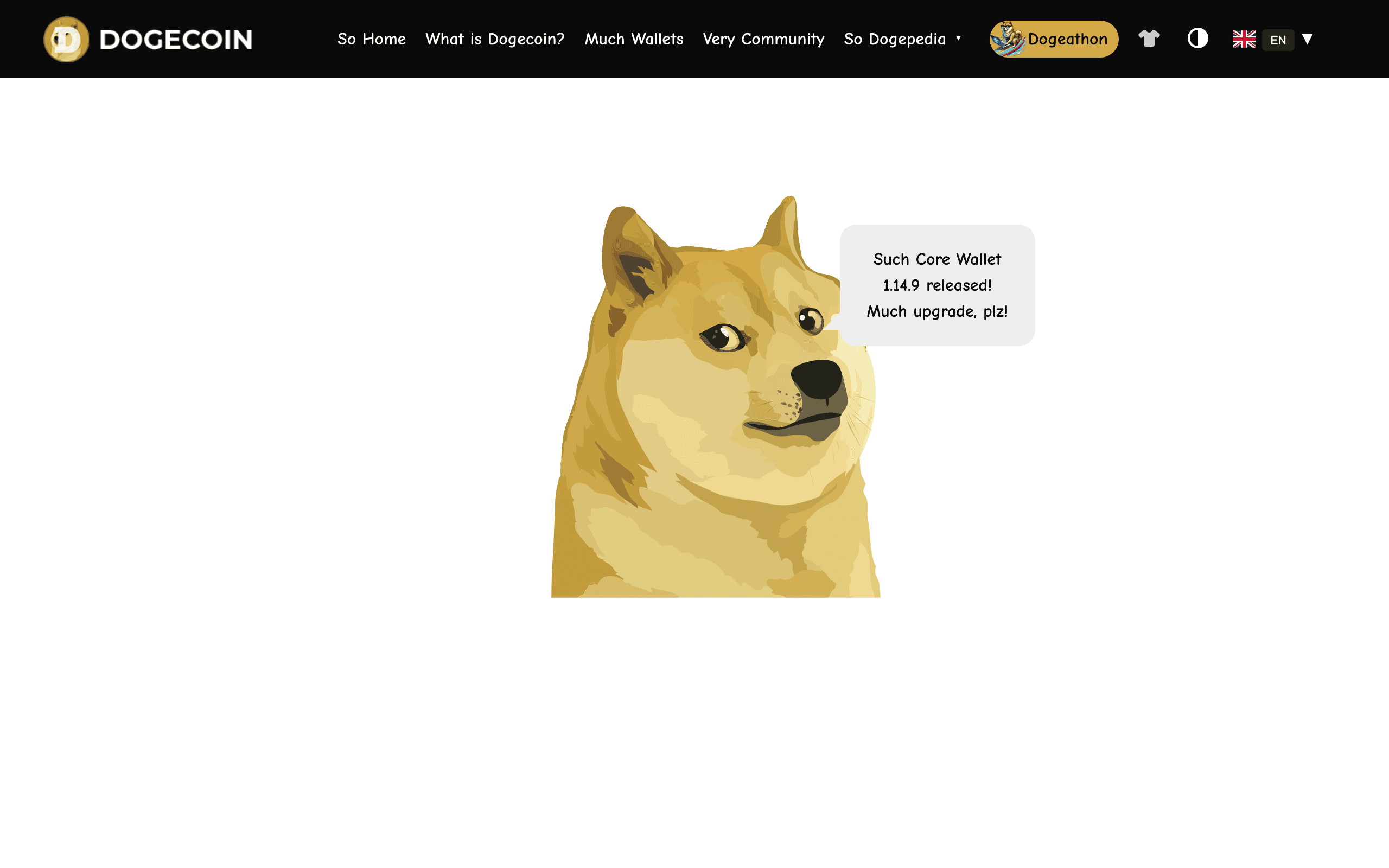
Buying Dogecoin with a credit or debit card offers one of the quickest ways for newcomers to get started. This guide covers the full process from setup to secure storage, with real platform options, current fees, and practical safety tips. It works whether you are brand new or simply want a smoother experience.
Why Buy Dogecoin With a Card in 2026
Dogecoin remains popular for its low fees and community vibe. Card purchases skip the multi-day waits common with bank transfers. In November 2026, services like Paybis and SwapSpace let you buy DOGE straight with Visa or Mastercard and receive it in your own wallet in minutes. The method fits anyone who values speed over squeezing out the absolute lowest fees. It also works well for smaller amounts where the typical 2-5% card fee feels acceptable.
Card buying helps users without easy bank-transfer access or those who prefer not to leave funds sitting on an exchange. Some card issuers still flag crypto purchases, so keeping a backup method handy avoids frustration. Once you pick a trusted provider and set up a compatible wallet, the steps are straightforward.
What You Need Before Buying Dogecoin
Gather these items first. Start with a non-custodial wallet that supports Dogecoin on its native network—options include the official Dogecoin Core wallet or compatible mobile apps. Next, have a Visa or Mastercard ready. Set aside the fiat amount you plan to spend plus fees. Some platforms ask for basic ID if your purchase exceeds roughly $1,000. Finally, confirm that crypto card purchases are allowed in your country and by your bank.
Users in the EU, USA, and many other regions have solid choices. Double-check the provider's supported countries before you begin. A second card or alternative payment option prevents hold-ups if the first one gets declined.
Step 1: Choose a Reputable Platform That Supports Card Purchases
Pick a provider with a track record for reliable card on-ramps and direct DOGE delivery. Paybis handles instant Visa and Mastercard buys, often finishing in under five minutes for smaller amounts without full verification. SwapSpace aggregates several providers and displays live rates upfront. Established names like Kraken and Coinbase also support card deposits, though their fees can run higher. Compare the displayed rate and total cost—including any spread or network fee—before you proceed. Favor platforms that send DOGE straight to your wallet address.
Check recent user feedback on processing speed and support quality. Skip unknown sites promising unusually low fees. As of November 2026, transparent providers show every cost clearly and let you preview the exact DOGE amount you will receive.
Step 2: Set Up and Verify Your Dogecoin Wallet
Open or create your Dogecoin wallet and generate a receiving address. Make sure it matches the native Dogecoin network, not a wrapped version on another chain. Copy the address carefully and verify the first and last characters. Test with a tiny amount first if you can. Store your seed phrase offline and never share it. A properly prepared wallet gives you full control once the coins arrive.
Many users like wallets that also handle cross-chain swaps later. This quick prep step avoids the common mistake of sending funds to the wrong network.
Step 3: Enter the Purchase Amount and Select Payment Method
On your chosen platform, enter the fiat amount or desired DOGE quantity. The screen will show the current rate, estimated fees, and final amount you will receive. Select credit or debit card as the payment method. Some services also support Apple Pay or Google Pay for mobile convenience. Review the total cost—card fees usually add 2% to 5% versus bank transfers.
Spending $100, for example, will deliver slightly less DOGE after fees than a bank-transfer route. Confirm everything matches your expectations before moving forward.
Step 4: Complete Payment and Any Required Verification
Enter your card details through the provider's secure checkout. Most transactions authorize right away. For larger buys or first-time users, a quick identity check may appear. Upload a government ID and finish the short process, which often takes under two minutes on modern platforms. Once payment clears, the provider sends the DOGE.
Watch your email or the platform dashboard for confirmation. The whole flow from amount selection to coin receipt typically finishes in five to ten minutes on efficient services.
Step 5: Confirm Receipt of Dogecoin in Your Wallet
Check your wallet balance after the expected confirmation time. Dogecoin transactions usually settle quickly on its blockchain. If the coins have not arrived within 30 minutes, reach out to the provider's support with your transaction reference. Never assume a failed payment means lost funds—reputable services either refund or complete the transfer.
Once the DOGE lands, move it to cold storage for longer-term holding. This finishes the main purchase process.
Step 6: Use Baltex for Further Non-Custodial Exchanges if Needed
After you acquire DOGE or another asset with your card, Baltex serves as a useful non-custodial crypto swap aggregator for instant cross-chain exchanges. Baltex aggregates liquidity from multiple sources across 200+ blockchain networks and supports over 10,000 assets without requiring registration for most swaps. Users can route trades through various providers while keeping control of their keys. This fits scenarios where you want to convert part of your DOGE holding into another token or adjust positions. Baltex performs AML screening but does not store user funds, aligning with self-custody preferences. Always verify the exact route and fees shown before confirming any swap.
Understanding Fees, Limits, and Timing in November 2026
Card purchases generally carry higher fees than bank transfers because of processor costs. Expect 2-5% total, with examples from major platforms showing around 3.99% for credit cards. Limits vary: some providers allow $500-$2,000 per transaction without extra checks, while others scale higher after verification. Processing time is usually minutes, though peak hours or larger amounts may add a short delay. Compare the all-in cost across at least two providers before committing. Debit cards sometimes incur slightly lower fees than credit cards at certain services.
Market volatility means the exact DOGE amount can shift slightly between quote and settlement, so review the live rate at checkout.
Safety Best Practices and Common Risks
Always use official platform websites and enable two-factor authentication on any account. Verify wallet addresses character by character. Beware of phishing sites mimicking popular providers. Never share seed phrases or private keys. If a platform requests unusual information or pressures you to act quickly, pause and verify independently. For larger purchases, consider splitting across multiple transactions or providers to manage risk. Withdraw to your own wallet immediately after receipt rather than leaving assets on an exchange.
Card issuers may apply cash-advance fees or decline crypto purchases; contacting your bank in advance can prevent surprises. Keep records of all transactions for tax purposes.
When Card Purchases Make Sense and When Alternatives Are Better
Card buying excels for speed and simplicity when you need DOGE quickly for tipping, small payments, or testing the waters. It suits users in regions with limited banking options or those comfortable paying a premium for convenience. For larger sums or long-term holdings, bank transfers or P2P methods often deliver lower fees. If your bank restricts crypto purchases, consider services that support Apple Pay or other workarounds. Baltex shines for subsequent swaps once you hold crypto, offering non-custodial flexibility without account creation.
Common Mistakes and Troubleshooting
One frequent error is entering the wrong wallet address or network, leading to lost funds. Always paste and verify the full address. Another issue is underestimating fees, resulting in receiving less DOGE than expected. Review the final quote carefully. Card declines often stem from issuer policies; try a different card or contact your bank. If a transaction stalls, check the provider dashboard and support channels promptly rather than initiating duplicate purchases. Finally, neglecting to withdraw from the platform leaves funds exposed to exchange risks.
Market Context and Practical Use Cases for Dogecoin in 2026
Dogecoin maintains relevance through its community and low transaction costs. Users buy with cards to participate in tipping culture, micro-payments, or merchant acceptance where DOGE is supported. Recent developments include expanded payment infrastructure partnerships that increase real-world utility. For investors, DOGE offers exposure to meme-driven sentiment alongside its established blockchain. Track prices and volumes on reputable data sites to time entries, but remember that past performance does not guarantee future results. Card purchases provide an accessible entry point for these use cases.
Regulatory Considerations Across Jurisdictions
Availability and tax treatment of card purchases vary by country. In the EU and UK, providers must comply with MiCA and AML rules, sometimes triggering verification. US users should note that some platforms restrict certain states. Always confirm local regulations and report transactions as required by your tax authority. Platforms may limit services in sanctioned regions. Staying informed helps avoid compliance issues.
Advanced Tips for Optimizing Your Purchase
Compare live rates across aggregators like SwapSpace to find the best deal. Use debit cards when possible to potentially reduce fees. For recurring buys, set up alerts on price movements. After purchase, explore Dogecoin's ecosystem for earning opportunities or community projects. If you frequently swap between assets, integrate Baltex into your workflow for seamless, non-custodial routing. Keep software and wallets updated for the latest security patches.
Long-Term Holding and Security Recommendations
Once you own DOGE, prioritize self-custody. Hardware wallets add an extra layer for larger holdings. Enable all available security features on your wallet software. Periodically review your holdings and rebalance only when necessary. Avoid storing large amounts on any online service. Educate yourself continuously on network upgrades and community developments to make informed decisions.
This comprehensive approach ensures you buy Dogecoin with a card confidently and securely in November 2026 while understanding the broader context and options available.
You can read our full breakdown in TL;DR: Quick Guide to Buying Crypto with Credit Card in 2026.
Related reading: How to Buy Solana (SOL): Where and How to Buy (October 2026).
Can I buy Dogecoin directly with a credit card?
What are the typical fees for buying DOGE with a card?
Is it safe to buy Dogecoin with a debit card?
How long does it take to receive Dogecoin after paying with a card?
Do I need KYC to buy Dogecoin with a card?
Can I use Baltex to buy or exchange Dogecoin?
What happens if my card is declined when buying DOGE?
See others posts
G. Khan

Why Is My Crypto Swap Taking So Long (November 2026)
Ecosystem
G. Khan
How to Recover Funds Sent Without a Memo or Destination Tag (November 2026)
Ecosystem
G. Khan
Sent Crypto to the Wrong Network? How to Recover It (2026)
Ecosystem
G. Khan
Fixed Rate vs Floating Rate Crypto Exchange: Which to Choose (2026)
Ecosystem
G. Khan
How to Swap LTC to BTC: Fees, Networks and Step-by-Step Guide (November 2026)
Ecosystem
G. Khan
How to Swap XRP to USDT (November 2026)
Ecosystem