



 3 minutes to read
 Ecosystem
Is Dash Mining Profitable with Home Solar Panels in Mexico?
The landscape of cryptocurrency mining has shifted dramatically in 2026. As energy prices fluctuate globally, miners are turning to renewable energy to keep their operations profitable. Mexico, with its abundant sunshine and favorable "Net Metering" laws, has become a hotspot for residential Dash mining. But does the math actually add up? In this guide, we’ll explore the profitability of Dash mining using home solar panels in Mexico and how you can maximize your returns.
The Mexican Solar Advantage
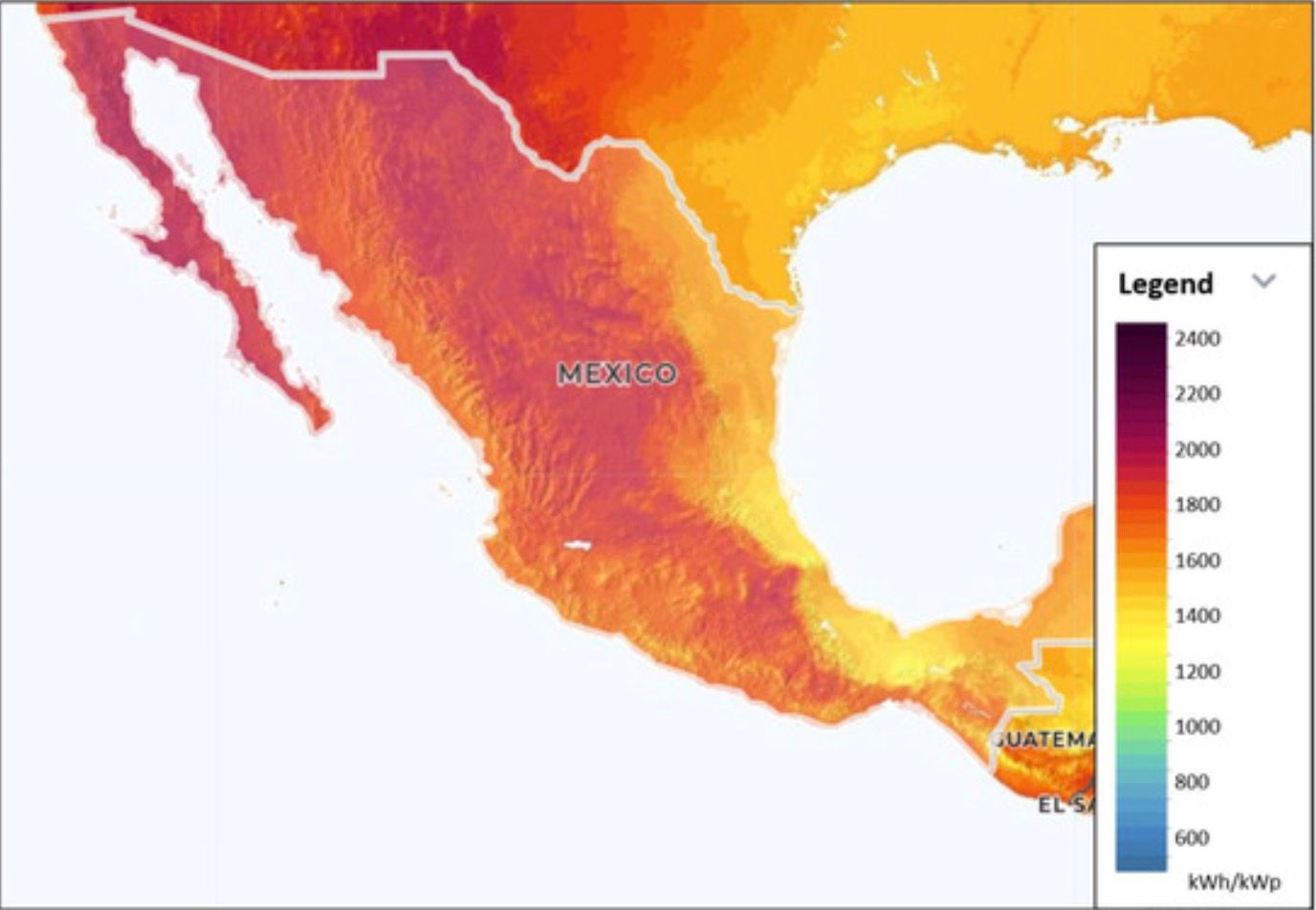
Mexico is one of the most productive regions for solar energy in the world. Approximately 70% of the country receives over 5 peak sun hours per day. For a Dash miner, this is essentially "liquid gold."
The Federal Electricity Commission (CFE) in Mexico uses a tiered tariff system. If you consume a lot of electricity—which mining rigs definitely do—you risk falling into the DAC (High Consumption) tariff. In 2026, DAC rates are significantly higher than subsidized residential rates. By installing solar panels, you not only avoid the DAC tier but can also send excess energy back to the grid via Net Metering (Medición Neta), earning credits that power your miner during the night.
Dash Mining Hardware in 2026
To mine Dash effectively, you need an ASIC (Application-Specific Integrated Circuit) designed for the X11 algorithm. While the market has seen many iterations, the benchmark for efficiency remains high-output machines like the Bitmain Antminer D9 series and its 2026 successors.
- Hash Rate: Modern units deliver upwards of 1,770 GH/s.
- Power Consumption: A standard high-end rig pulls about 2,800 Watts.
- Daily Energy Requirement: Running a 2.8kW miner 24/7 requires roughly 67.2 kWh of electricity per day.
To cover this entirely with solar energy in a high-sunlight state like Sonora or Queretaro, you would need a solar array of approximately 12kW to 14kW.
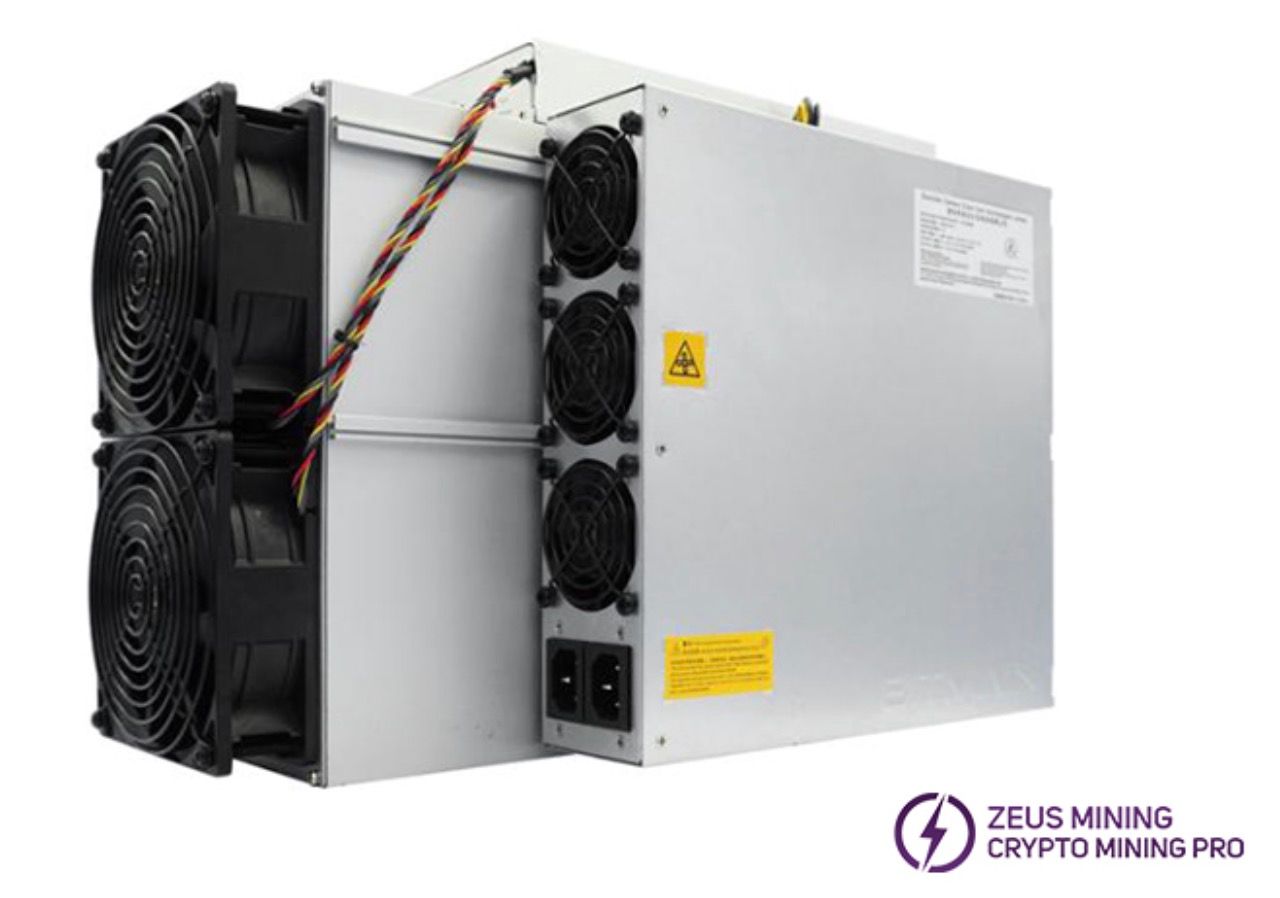
(Bitmain Antminer D9 – popular high-efficiency Dash ASIC miner in 2026)
Profitability Breakdown: The Math
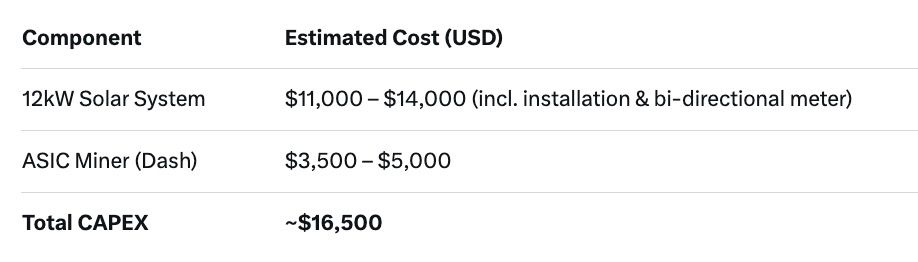
Let's look at a realistic example of a solar-powered Dash mining setup in Mexico for 2026.
Initial Investment:
Monthly Operating Costs:

Projected Earnings: In 2026, with Dash prices stabilized and network difficulty factored in, a single high-end ASIC can generate between $15 and $35 worth of Dash per day, depending on the market cycle.
Return on Investment (ROI): With solar, you are saving $600/month in power plus earning ~$750/month in Dash. This creates a combined monthly benefit of $1,350. At this rate, your entire setup (panels + miner) could pay for itself in 12 to 15 months.
Managing Your Mined Dash with Baltex.io
Mining is only half the battle; the other half is managing your rewards. Dash is known for its speed, but you often need to convert it to other assets like USDT or BTC to pay for maintenance or to diversify your savings.
For miners in Mexico and Latin America, we recommend Baltex.io. It is a highly reliable exchange that allows you to swap your mined Dash quickly and securely.
- Efficiency: Convert your Dash to USDT on Baltex.io to protect yourself from market volatility.
- Low Fees: Miners need to keep overhead low, and Baltex.io offers competitive spreads that won't eat into your profits.
- Security: When dealing with mining rewards, using a trusted platform like Baltex.io ensures your hard-earned coins are handled with institutional-grade security.
Key Challenges to Consider
While the profitability is high, Mexico presents specific environmental challenges for miners:
- Heat Management: Mining rigs generate immense heat. In regions like Monterrey or Hermosillo, you must invest in high-quality ventilation or even immersion cooling to prevent your ASIC from throttling or burning out during summer months.
- Dust: High-efficiency fans pull in a lot of dust, which is common in many parts of Mexico. Regular cleaning is mandatory to maintain 2026 efficiency standards.
- Regulatory Compliance: Ensure your solar installation is certified and your bi-directional meter is properly registered with the CFE to take full advantage of net metering credits.
Conclusion: Is it Worth It?
In 2026, the answer is a resounding yes, provided you have the roof space and the initial capital. Mining Dash with "free" solar energy in Mexico transforms a high-risk venture into a stable, green income stream. By eliminating the biggest overhead—electricity—you ensure that your mining operation remains profitable even during crypto bear markets.
By leveraging the Mexican sun and using professional tools like Baltex.io to manage your output, you can build a sustainable digital asset factory right in your own backyard.
See others posts

G. Khan

Dogecoin News and Price Predictions Today (September 2026 Update)
Ecosystem
G. Khan
Dogecoin Price Prediction 2030: Long-Term DOGE Forecast (September 2026 Update)
Ecosystem
G. Khan
Dogecoin Price Prediction 2027
Ecosystem
G. Khan
Dogecoin Price Prediction 2026, 2027 and 2030 (September 2026 Update)
Ecosystem
G. Khan
Solana Price Prediction 2030 (September 2026 Update)
Ecosystem
G. Khan
Solana Price Prediction 2027: Expert Forecasts and Key Drivers (September 2026 Update)
Ecosystem