


 5 minutes to read
 Ecosystem
How to Buy Ethereum with a Credit or Debit Card (October 2026)
Ethereum ranks as the second-largest cryptocurrency by market cap and underpins thousands of decentralized apps. Official guidance from the Ethereum Foundation outlines several ways to get ETH, including direct card purchases.
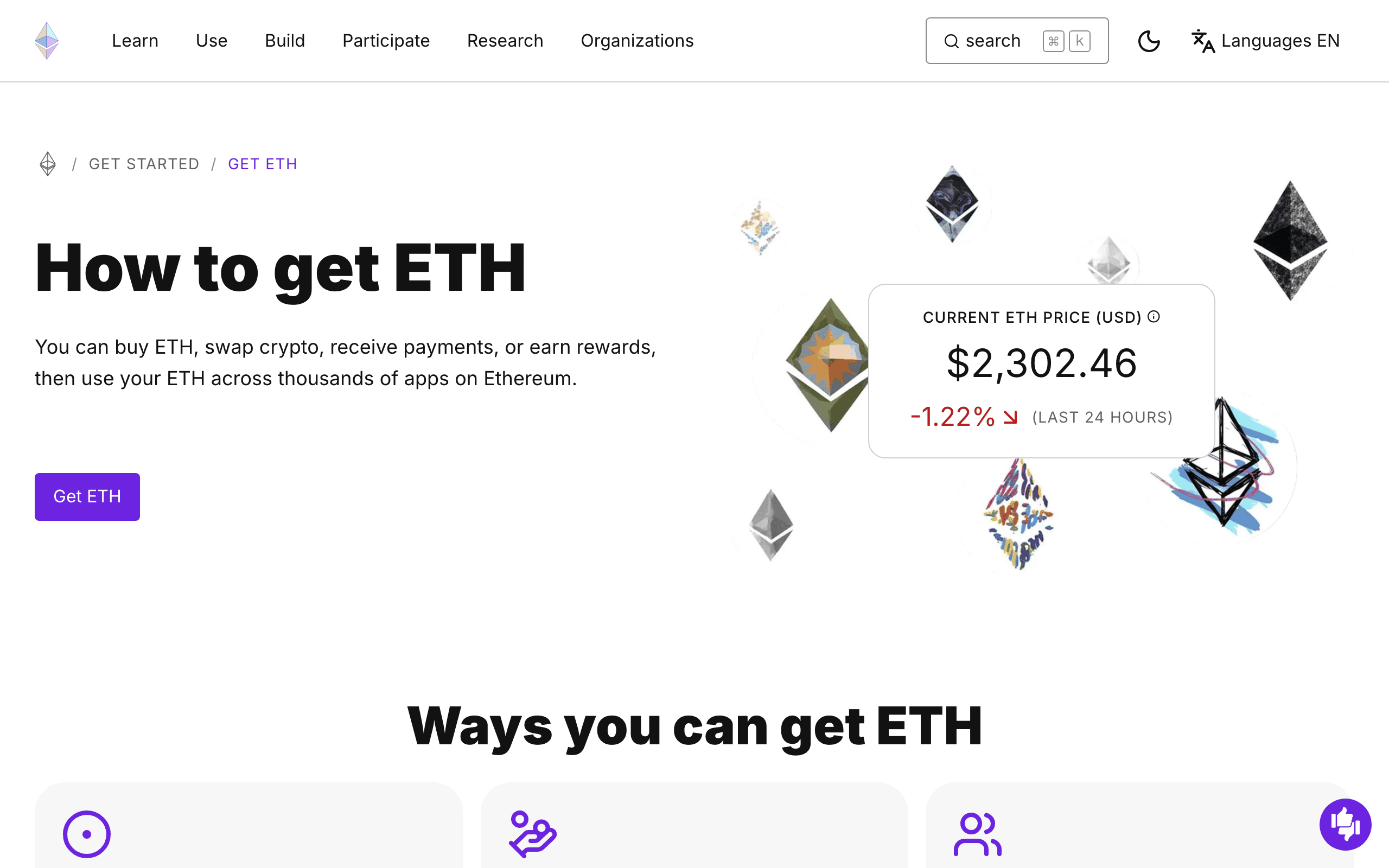
A credit or debit card gives beginners fast, convenient access without waiting on bank wires. This guide walks through the complete process as of October 2026—prerequisites, step-by-step instructions, real costs, risks, and smarter alternatives. Always begin with a small test buy and double-check your card issuer’s crypto policy first.
TL;DR Quick Answer
Here’s the straightforward path: 1) Confirm your card works for crypto and have a compatible wallet address ready. 2) Pick a trusted on-ramp or exchange. 3) Handle any required verification. 4) Enter the amount and card details. 5) Approve the purchase. 6) Move the ETH to your own wallet. The sections below fill in the details and flag common pitfalls.
What You'll Need
Gather these before you start. A supported Visa or Mastercard—debit cards often clear more smoothly than credit. A non-custodial wallet such as MetaMask or a hardware wallet with your Ethereum address prepared. An email address and, on most platforms, government ID for the first purchase. A device with internet and 3D Secure turned on for your card. A modest test amount, say $50–100, to learn the process safely.
Card rules differ by issuer. Many treat crypto buys as cash advances, which can mean instant interest plus 3–5% fees on top of any flat charge. Debit cards usually skip the cash-advance hit but still face platform fees of roughly 3–4.5%. Call your bank ahead of time to confirm limits and policies.
Step 1: Choose a Platform or On-Ramp
Pick a service that accepts cards in your region and can send ETH straight to an external wallet. In October 2026, popular choices include Coinbase for newcomers, Kraken, and wallet-integrated ramps such as MoonPay or Ramp Network. Some aggregators let you buy with a card then swap instantly.
Compare total fees, country support, and delivery speed before committing. Insist on seeing the full quote upfront. Stick with established names that have solid security histories and good feedback on review sites.
If self-custody and minimal paperwork matter most, look for services that keep the on-ramp compliant but hand off to non-custodial paths afterward. Baltex, a non-custodial crypto swap aggregator, handles instant cross-chain exchanges across 200+ networks and more than 10,000 assets without requiring an account for most swaps. It works well as the next step once you hold a stablecoin bought with a card.
Step 2: Set Up or Log In to Your Account
Create an account with email or phone when needed. Upload ID and a selfie for verification—this usually finishes in minutes to a few hours the first time. Turn on two-factor authentication right away.
With a wallet-integrated ramp, connect your wallet first. Paste your Ethereum address carefully and verify the first and last characters. Never reuse addresses from untrusted sources.
Step 3: Add Your Card and Select Ethereum
Go to the buy section and choose credit or debit card as the payment method. Enter the card number, expiry, CVV, and billing address exactly as they appear on file. Some platforms will prompt for 3D Secure approval via app or SMS.
Choose Ethereum (ETH) and enter the fiat amount you want to spend rather than the token quantity. This shows the exact total including fees. Review the live quote, which already factors in the platform spread and any network costs.
Step 4: Review Fees and Confirm Purchase
All-in costs typically land between 4% and 9% or higher, depending on card type and size. Platform fees hover around 3–4%, while credit-card cash-advance fees can tack on another layer. Check a couple of providers—rates shift. Only confirm once you see the precise ETH amount you’ll receive and the correct destination address. Watch for minimums, often $10–50, and daily limits that vary by verification tier.
Step 5: Complete Payment and Receive ETH
Approve the 3D Secure prompt if it appears. Funds usually leave your account instantly, and ETH lands in minutes once the network confirms. Track progress in the platform dashboard or your wallet.
If you bought on a centralized exchange, withdraw to your personal wallet promptly on the right network—Ethereum mainnet or an L2 such as Base or Arbitrum—to keep fees low.
Step 6: Secure Your Ethereum
Send the purchased ETH to a wallet you control. Write down your seed phrase on paper and store it offline. Enable every available security feature. Test a small withdrawal on any new platform first.
Privacy-minded users can buy a stablecoin with a card, then swap to ETH on a non-custodial aggregator like Baltex. It pulls liquidity from many sources across 200+ blockchains, never holds user funds, and offers private routing options through Monero-based flows where available.
How Much Does It Cost?
Platform fees for card purchases average 3–4.5% as of late 2026. Credit cards may add another 3–5% cash-advance fee plus daily interest. A $1,000 purchase can easily run $70–100 in total costs. Larger amounts sometimes drop the percentage slightly. Bank transfers or ACH stay cheaper—under 1%—but take longer. Always view the complete quote before paying.
How Long Does It Take?
Account setup and KYC: 5–30 minutes for most people. Card payment: instant to 10 minutes. ETH delivery: 1–15 minutes on mainnet, faster on L2s. First-time purchases can stretch a bit longer because of verification. From start to wallet receipt, the whole process often finishes in under 30 minutes once the initial setup is done.
Is It Safe?
Reputable platforms rely on encryption, 3D Secure, and AML screening. Main risks include card blocks from issuers, phishing sites that copy real exchanges, and ETH price swings. Never enter card details on unverified links. Turn on every security option and move funds to self-custody quickly. Card purchases create a clear record for taxes but also flag the transaction for your issuer.
Common Mistakes and Troubleshooting
Mistake 1: Skipping the call to your card issuer—leading to declined transactions or unexpected fees. Solution: Confirm the policy first and lean toward debit cards.
Mistake 2: Sending to the wrong address or network. Solution: Double-check every character and network setting.
Mistake 3: Forgetting to back up your wallet. Solution: Write the seed phrase on paper and keep it secure offline.
Mistake 4: Jumping in with a large amount on day one. Solution: Start with $50–100.
If a payment fails, check card limits, enable international transactions, or try another provider. For delayed delivery, follow the transaction hash on a block explorer.
When Card Purchases Make Sense
They work best for small, time-sensitive needs—gas for Ethereum apps, quick tests, or one-off buys where speed outweighs cost. They also help when bank transfers aren’t practical.
When a different option is better: For amounts above a few thousand dollars, bank transfers or P2P routes cut fees dramatically. In regions with tight card restrictions, buying stablecoins first then swapping can be smoother. Users wanting maximum privacy should move to non-custodial paths after the initial compliant purchase.
Practical Examples and Scenarios
Example 1: An EU beginner needs $200 of ETH for DeFi experiments. They use a wallet on-ramp that accepts cards, finish KYC once, receive ETH in under 15 minutes, and start small swaps.
Example 2: An experienced user wants ETH fast on the Base network. They buy USDC with a card on a supported ramp, then swap to ETH on a non-custodial aggregator like Baltex for low fees and direct delivery to their wallet.
Example 3: Someone whose credit card blocks crypto switches to debit and an alternative ramp, sidestepping cash-advance penalties.
Market Context as of October 2026
Ethereum keeps gaining traction in DeFi and NFTs. Card on-ramps have added better compliance tools and broader country coverage. Fees stay a major factor, and aggregators help surface competitive rates. Always check live quotes on the platforms themselves—conditions change with the market.
Risks and Regulatory Notes
Crypto prices move quickly; ETH can swing sharply. Card purchases often trigger tax reporting. Rules vary by country—MiCA in Europe and shifting U.S. guidelines affect what’s available. Even non-custodial platforms may request verification in flagged compliance cases. This is not financial or legal advice; review your local regulations and do your own research.
Buying Ethereum with a card is convenient but more expensive than other routes. Focus on security, verify every detail, and keep your overall holding strategy in mind.
We cover this in more detail in How to Sell ETH: Quick and Safe Methods for Ethereum Holders.
Can I buy Ethereum directly with a credit card?
What are the typical fees for buying ETH with a card?
Is it safe to buy Ethereum with a card?
How long does it take to receive ETH after card payment?
What if my card is declined for crypto?
Can I buy ETH without KYC using a card?
See others posts
G. Khan

How to Buy Bitcoin and USDT in India (INR) (October 2026)
Ecosystem
G. Khan
The 10 Best Places to Buy Crypto Online in 2026
Ecosystem
G. Khan
The Cheapest Way to Buy Crypto: Fees by Payment Method Compared (October 2026)
Ecosystem
G. Khan
How to Buy Bitcoin and Ethereum in Canada (2026)
Ecosystem
G. Khan
How to Buy Bitcoin in the UK and Australia (October 2026)
Ecosystem
G. Khan
How to Buy Solana with a Credit or Debit Card (October 2026)
Ecosystem