


 5 minutes to read
 Ecosystem
How to Buy Monero (XMR) With a Credit or Debit Card (November 2026)
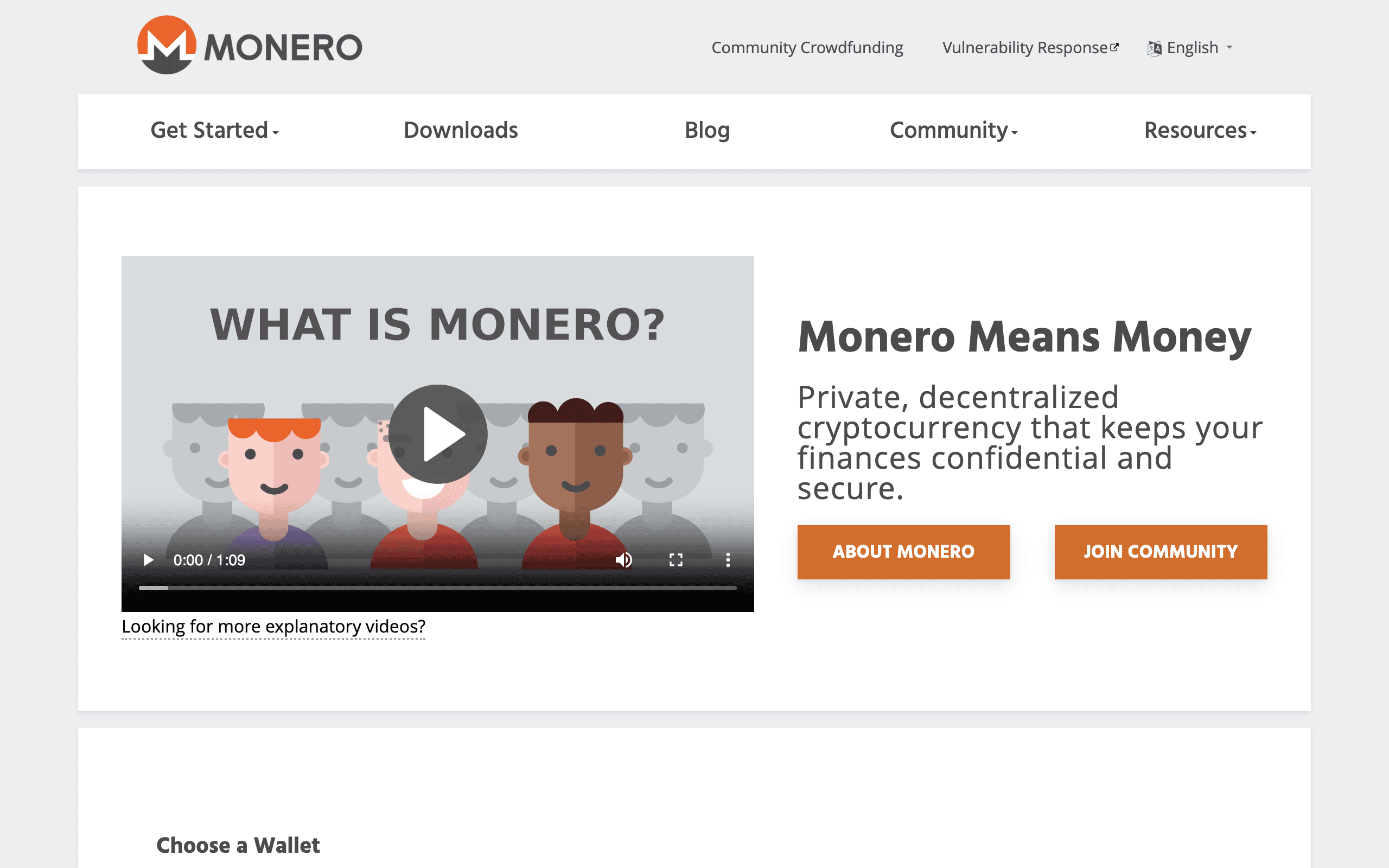
Monero (XMR) stands out as the leading cryptocurrency built for private, censorship-resistant transactions. You can read more on the official site from the Monero Project. In 2026, buying it straight with a credit or debit card remains uncommon. Major platforms have restricted or removed privacy coins like XMR, so the most practical path is a two-step process: first buy a widely supported asset such as Bitcoin (BTC), Litecoin (LTC), or USDT with your card on a regulated on-ramp, then swap it privately to native XMR.
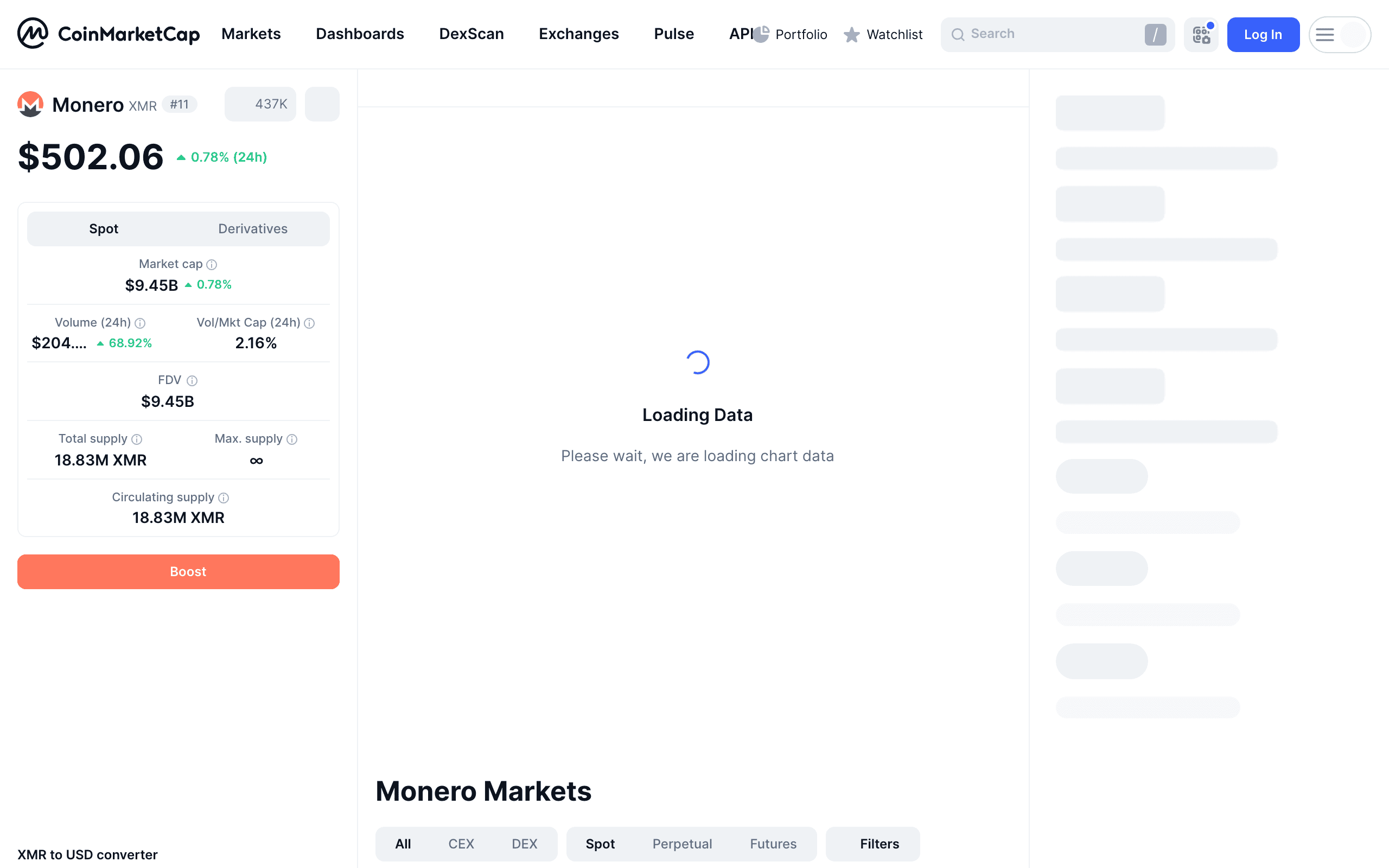
This guide covers the full process from setting up a wallet to receiving your XMR. It focuses on security habits, realistic costs, and privacy trade-offs. As of November 2026, Monero trades around $492 with a market cap near $9.27 billion according to CoinMarketCap: "The live Monero price today is $492.48 USD with a 24-hour trading volume of $143,463,170 USD."
Why Direct Card Purchases of Monero Are Limited in 2026
Card payments flow through regulated processors and exchanges that follow strict AML and KYC requirements. Privacy coins like Monero have been delisted on many platforms. Binance dropped XMR support in 2024, and Kraken limited it for users in the EEA. Where direct card purchases of XMR still exist, they usually demand full identity verification that ties the transaction to your personal details.
That environment steers most people toward the proxy route. Card on-ramps handle BTC, LTC, and stablecoins more readily because those assets are viewed as more transparent. Once the assets sit in your own wallet, you can swap them privately without additional identity checks. The method keeps things accessible while honoring Monero’s privacy focus.
Users in the US, EU, and many other regions find this route dependable. It works across borders where direct options fall short. It does add steps and fees compared with buying transparent coins in one go.
Best Suited For and When to Choose Alternatives
The card-to-proxy-to-XMR path works well for privacy-minded users who want Monero without a direct record on centralized exchanges. It fits smaller to medium purchases where control over funds matters more than instant simplicity. Use it once you have a Monero wallet ready and value fungibility and untraceability.
For very large amounts or one-stop convenience, bank transfers on platforms that still list XMR (where legal) or local P2P cash deals can be simpler. If privacy features are not a priority or you want instant spending options, transparent assets may suit you better. Match the approach to your risk tolerance and local rules.
What You'll Need Before Starting
Gather these items to move through the process smoothly:
- A non-custodial Monero wallet such as Cake Wallet (mobile), Feather Wallet (desktop), or the official Monero GUI. Download only from verified sources.
- A credit or debit card accepted by card on-ramps (Visa or Mastercard usually work best).
- A small amount of fiat ready to test fees and limits.
- A refund address in case of swap issues (your original wallet address works fine).
- Basic knowledge of transaction fees and confirmation times on different blockchains.
Back up your wallet seed phrase offline on paper or metal. Never share it. Start with a tiny test amount if you are new to the steps.
Step 1: Set Up and Secure Your Monero Wallet
Install a reputable wallet from official project resources. Cake Wallet handles multiple assets including BTC and LTC, which makes the full route convenient. Feather Wallet adds strong desktop security tools. The Monero GUI gives advanced users full node control.
Create a new wallet and back up the 25-word seed phrase right away. Write it down and keep it in a safe, offline spot. Verify the backup by restoring on another device if you can. Turn on any available encryption or PIN protection.
Generate a fresh receiving address (it starts with 8). Subaddresses help privacy by avoiding reuse. Make sure the network matches your swap (standard Monero mainnet). This step takes 5-10 minutes and puts you in control of your private keys from the beginning.
Step 2: Buy a Proxy Asset With Your Card
Use a regulated card on-ramp or exchange app that supports fiat-to-crypto buys. Providers like MoonPay, Simplex, or Banxa, along with certain CEX apps, handle card payments for BTC, LTC, or USDT. Enter your card details, pick the asset and amount, and complete any required KYC verification.
Fees usually run 2-5% including processing and spread. Limits often start around $50 and grow with your verification level. Transactions typically settle in minutes to an hour. Withdraw the purchased asset to your personal wallet address right away—do not leave it on the exchange.
LTC or BTC often gives faster, cheaper swaps to XMR. Double-check the exact deposit address and network before sending. This step creates the necessary on-ramp record while keeping later steps private.
Step 3: Swap the Proxy Asset to Monero
Send your BTC, LTC, or USDT from your wallet to a non-custodial swap platform. Non-custodial aggregators pull liquidity from many sources and complete instant or near-instant exchanges without requiring an account for most swaps. Enter your Monero receiving address and the amount. Review the quoted rate, fees, and estimated time before confirming.
Platforms support cross-chain routing and finish the conversion in 5-30 minutes. Always verify the address and network. Some offer floating or fixed rates—fixed rates shield you from volatility during the swap. After the deposit confirms on the source chain, the platform sends native XMR to your wallet.
Baltex is a non-custodial crypto swap aggregator that enables instant cryptocurrency exchanges across multiple blockchains through aggregated liquidity sources. It supports Monero and offers private routing options for enhanced unlinkability.
Step 4: Verify Receipt and Secure Your XMR
Watch your wallet for the incoming transaction. Monero confirmations usually arrive within 20-60 minutes depending on network conditions. Once received, the funds stay private by default thanks to ring signatures, stealth addresses, and RingCT.
Save the transaction ID for your records. Test a small send if you want to confirm everything works. For larger holdings, consider moving them to a hardware wallet for cold storage. Keep your seed phrase secure and avoid posting addresses publicly.
How Much Does It Cost?
Total costs break down as card processing (2-5%), network fees for withdrawal and swap (variable, often under 1%), and swap service fee (0.4-1.5%). For a $1,000 purchase, expect $25-65 in combined fees. Larger amounts sometimes see better percentage rates on some platforms.
Compare quotes across providers before committing. Volatility during the swap can change the final XMR amount if you use floating rates. Fixed-rate options add a small premium but give certainty. Factor in any cash-advance fees if you use a credit card instead of debit.
How Long Does the Process Take?
The card purchase and initial confirmation take 10-30 minutes. Withdrawal to your wallet adds blockchain time (5-60 minutes depending on the asset). The final swap finishes in 5-30 minutes on efficient platforms. Overall, plan on 30-90 minutes for the full flow, plus any KYC processing time on the on-ramp.
Delays can happen during high network congestion or manual reviews. Start during off-peak hours for quicker results. Keep a backup plan if one provider runs into issues.
Is It Safe?
Safety comes down to using verified wallets and platforms and following basic habits. The card step involves regulated entities with KYC, so it creates a record. Once swapped to XMR in a non-custodial wallet, your holdings gain Monero’s built-in privacy features. Never send funds to unverified addresses or click suspicious links.
Use hardware wallets for larger amounts. Enable two-factor authentication where available. Watch out for phishing sites that copy official wallets or swap interfaces. Always check URLs and download sources directly.
Common Mistakes and Troubleshooting
A common slip is sending the proxy asset straight from the exchange to the swap without withdrawing first—this keeps the purchase linked to your identity longer than needed. Another is reusing addresses or skipping the seed backup. Mismatched networks can cause lost funds; always confirm before sending.
If a swap looks stuck, check the platform’s status page and share the transaction ID. For card declines, contact your bank about crypto purchase policies. Small test transactions catch problems early. Keep records of every step for tax and dispute purposes.
Privacy Considerations Specific to This Route
The initial card purchase leaves a fiat trail, but the non-custodial swap breaks the on-chain link for most practical purposes. Monero’s default privacy means the received XMR cannot be easily traced back. Avoid mixing with transparent assets in ways that weaken this.
For maximum unlinkability, some platforms add routing through privacy-enhanced paths. Practice good wallet habits such as using new subaddresses and avoiding address reuse across transactions.
Regulatory and Tax Notes
Rules differ by jurisdiction. Card purchases are reportable in many places, and exchanging crypto can trigger taxable events. Check local regulations or speak with a professional advisor. Monero’s privacy features do not remove compliance obligations.
Keep detailed records of purchase prices, fees, and dates. Some countries require reporting crypto holdings above certain thresholds. Stay up to date as rules change.
Practical Examples and Scenarios
A user in the US buying $500 of XMR might purchase LTC with a debit card on a popular app (3% fee), withdraw to Cake Wallet, then swap on a non-custodial platform (0.8% fee) for roughly $484 net XMR after about 45 minutes. In the EU, the same steps apply but with extra attention to local card issuer policies on crypto.
For recurring small purchases, settle into a routine with one wallet and consistent providers. Larger amounts benefit from splitting across multiple swaps to manage limits and slippage.
This method suits users who value Monero’s fungibility for everyday private transactions or long-term holding. It is less ideal for those needing immediate spending on platforms that do not accept XMR.
Expanding on Wallet Options and Security Features
Advanced users can run their own node for greater sovereignty and resistance to certain attacks. Mobile wallets like Monerujo add convenience with QR code scanning. Always verify wallet software signatures or hashes when downloading from GitHub or official repositories.
Security also covers daily habits: use a VPN on public networks, avoid storing large balances on hot wallets, and keep software updated. Monero’s design reduces many common blockchain risks through its privacy technology.
Market Context for Monero in Late 2026
Monero holds its place among top privacy assets with active development and community support. Its market metrics show continued interest despite listing challenges on some exchanges. The two-step card route stays a primary on-ramp for new users seeking these properties.
Compare current rates and availability across providers regularly, as options shift with regulations and market conditions. This keeps the path efficient at the time of purchase.
Final Checklist Before Executing
- Wallet installed, seed backed up, and tested.
- Card verified and limits understood.
- Proxy asset chosen based on swap efficiency.
- Swap platform reviewed for fees, time, and support.
- Small test transaction completed successfully.
- Records started for tax purposes.
Following these steps gives a reliable, controlled way to acquire Monero using a credit or debit card while respecting privacy principles. Always prioritize security and verify all details independently.
We cover this in more detail in SimpleSwap Review 2026: Pros, Cons, and Monero Exchange Fees.
Can I buy Monero directly with a credit card in 2026?
What fees should I expect when buying Monero with a card?
Is it safe to buy Monero with a card?
How long does it take to buy Monero with a card?
Do I need KYC to buy Monero with a card?
Which wallets support buying or swapping to Monero?
What are the tax implications of buying Monero with a card?
See others posts
G. Khan

How to Buy Crypto Without an Exchange Account (November 2026)
Ecosystem
G. Khan
How to Buy Crypto With Revolut (2026)
Ecosystem
G. Khan
How to Buy Crypto With Apple Pay (2026)
Ecosystem
G. Khan
How to Buy USDC With a Credit or Debit Card (November 2026)
Ecosystem
G. Khan
How to Buy Litecoin (LTC) With a Credit or Debit Card (November 2026)
Ecosystem