


 5 minutes to read
 Ecosystem
How to Buy Litecoin (LTC) With a Credit or Debit Card (November 2026)
Litecoin is a peer-to-peer decentralized digital currency built for fast, low-cost transactions around the world. As of November 2026, its price sits around $44–45 USD based on live market data.
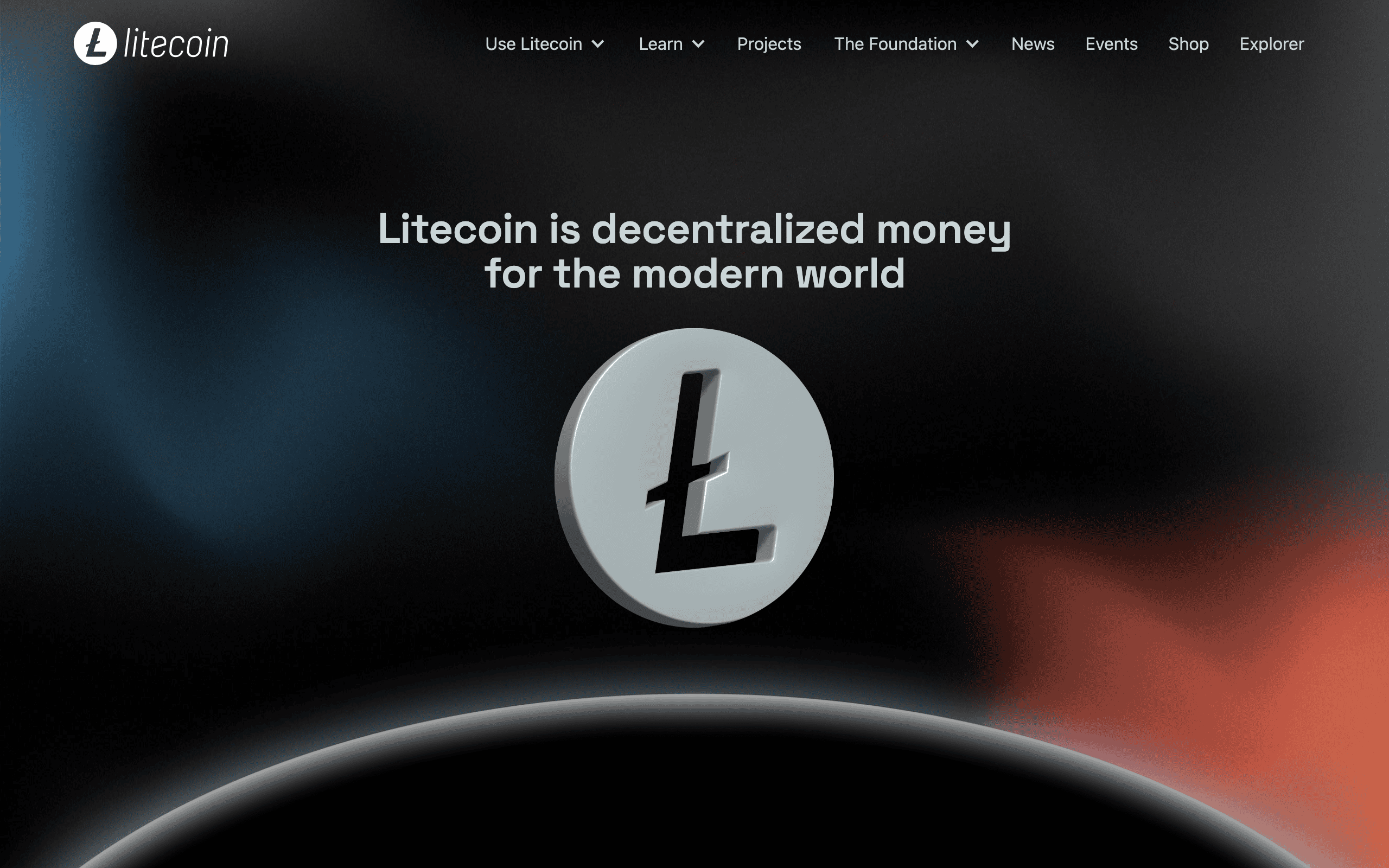
What Is Litecoin and Why Buy It With a Card?
Litecoin launched back in 2011 as a quicker, lighter take on Bitcoin, using 2.5-minute block times and the Scrypt algorithm. It’s still one of the most established coins for everyday payments and transfers. Buying with a credit or debit card gives beginners instant access without waiting on bank transfers. This approach works well when you need quick entry for trading, payments, or simply adding to your portfolio. Card buys shine for smaller amounts or one-off purchases where speed beats shaving every last cent in fees.
For bigger sums or regular buys, bank transfers usually cost less. Card methods carry higher fees from processors, yet they skip the multi-day waits of wires.
Current Market Context for Litecoin in 2026
Litecoin keeps solid liquidity and a market cap above $3.4 billion according to major trackers. Its total supply is capped at 84 million coins, with more than 77 million already in circulation. Daily trading volume consistently tops $168 million. These numbers show steady use as a payments coin, not just a speculative play. People in areas with limited banking access especially appreciate card on-ramps for direct fiat-to-crypto moves.
Prerequisites: What You Need Before Buying
You’ll want a Litecoin wallet that supports the native LTC network—mobile apps, desktop options like Electrum-LTC, or hardware like Ledger and Trezor all work. Generate a receiving address (it starts with L, M, or ltc1) and keep it safe. Have your credit or debit card handy, plus matching billing details. Some providers ask for photo ID on the first purchase. Double-check that your location allows crypto buys and review any local tax rules. Use a secure internet connection and skip public Wi-Fi for anything financial.
Step 1: Choose a Reputable On-Ramp Provider
Pick a platform that lets you buy LTC directly with a card and send it straight to an external wallet. Popular choices include Paybis, CoinGate, and licensed regional exchanges in Europe. Compare live quotes for fees, minimums, and supported countries before you start. Look for clear upfront pricing and HTTPS security, plus recent feedback on how they handle user data. Many pull liquidity from several sources to keep rates competitive.
Step 2: Enter Purchase Details and Wallet Address
Type in the fiat amount you want to spend and choose Litecoin as the asset. Paste your LTC wallet address carefully—double-check every character so nothing goes missing. Make sure the network is Litecoin mainnet, not a wrapped version. Some sites auto-detect the address format. Review the exact LTC you’ll receive after fees; most show a preview quote that lasts only a short time.
Step 3: Complete Identity Verification if Required
First-time users often face KYC checks that involve uploading a government ID and taking a selfie. The process usually finishes in minutes to a few hours and follows AML rules. If you’ve verified before, you can often skip or speed through it. Some platforms cap anonymous buys at small thresholds, like €700 in certain regions. Always use accurate information to avoid later issues.
Step 4: Enter Card Details and Authorize Payment
Add your Visa or Mastercard info in the secure checkout form. Many use 3D Secure for extra safety. The platform routes the charge through established gateways and usually authorizes it in seconds to minutes. Watch your statement for the charge and any temporary holds. Prepaid cards often don’t work unless the provider explicitly supports them.
Step 5: Confirm Receipt and Secure Your LTC
Once payment clears, the provider sends the transaction to the Litecoin network. Confirmations usually land in 5–30 minutes, depending on network load. Check your wallet balance and history. For larger amounts, move the coins to cold storage right away. Turn on two-factor authentication and never share your seed phrase.
Fees, Costs, and Timing Breakdown
Expect total fees of 2–5% on card purchases, covering processor charges, spreads, and network costs. A $100 buy might net you $95–98 worth of LTC after everything. Processing can take anywhere from instant to several hours, plus blockchain confirmations. As of late 2026, average LTC network fees stay under $0.01 per transaction thanks to its efficient design. Shop around each time—rates shift with market conditions and promotions.
Safety Best Practices and Risk Warnings
Send a small test amount first when trying a new provider. Enable every security option available, such as 2FA and address whitelisting. Watch out for phishing sites—type URLs yourself instead of clicking links. Crypto transfers are irreversible once confirmed, even though card purchases give buyers some chargeback protection. Keep seed phrases offline and consider multisig for bigger holdings. Rules differ by country, so stay on top of local crypto tax and reporting requirements.
Common Mistakes and Troubleshooting
A wrong wallet address means permanent loss—always verify the first and last characters. Sending LTC to a Bitcoin address or the wrong network usually ends in lost funds. Card declines often trace back to bank fraud filters; call your bank ahead of time. Skipping the preview step leads to surprise fees. If a transaction stalls, reach out to support with the order ID. Peak-time network delays usually clear within an hour or two.
Non-Custodial Options and Privacy Considerations
Once you have your LTC, non-custodial tools let you handle further swaps without handing over control. Baltex is a non-custodial crypto swap aggregator that enables instant cross-chain cryptocurrency exchanges across 200+ blockchain networks and 10,000+ digital assets through aggregated liquidity sources. It supports Litecoin and requires no registration for most swaps, with AML screening performed where flagged. This setup works well when you want quick conversions after the initial purchase while keeping self-custody. Private swap flows are available, though they do not guarantee full anonymity.
Tax and Regulatory Notes by Jurisdiction
In the USA, buying crypto with a card can trigger capital-gains reporting when you sell. EU users under MiCA deal with standardized rules and licensed providers. Track your cost basis and check with local tax offices or a professional. Some places add VAT or specific crypto taxes on purchases. Keep detailed records of every transaction, including fees, for accurate filing.
Use Cases Best Suited for Card Purchases
Card buys suit travelers who need LTC fast for payments, investors making small additions to their holdings, or newcomers testing the waters with little setup. They fit one-off needs better than large or recurring transfers. When a different option proves better: high-volume traders usually save with lower-fee bank or wire methods on established exchanges, while privacy-focused users might lean toward decentralized on-ramps or peer-to-peer trades despite the extra steps.
Advanced Tips for Frequent Buyers
Set up recurring purchases where available to dollar-cost-average. Watch price alerts in apps to time your entries. Integrate with Apple Pay or Google Pay for quicker mobile checkout on supported platforms. Test small amounts across a few providers to find the lowest real cost, including spreads. Keep an eye on network upgrades that could improve speeds or features.
Comparing Card On-Ramps to Other Methods
Bank transfers often cost under 1% but take days to settle. P2P platforms offer flexibility yet bring counterparty risk. Card methods trade higher fees for speed and simplicity. Weigh the full cost—including your time—for your specific situation.
Future Outlook and Staying Informed
Litecoin keeps developing, with layer-2 initiatives and other ecosystem updates in progress. Follow official announcements and fresh market data to stay informed. Regulatory shifts in 2026 and beyond could affect card availability in some regions.
Troubleshooting Specific Error Scenarios
Repeated card declines? Try another card or ask your issuer about crypto merchant category codes. Address mismatches between billing info and card details often cause rejections—match them exactly. Minimum purchase limits vary; many start around $20–50. International cards may involve currency conversion and foreign-transaction fees from your bank.
Related reading: TL;DR: Quick Guide to Buying Crypto with Credit Card in 2026.
Can I buy Litecoin with a credit card without KYC?
What are the fees for buying Litecoin with a card?
How long does it take to receive Litecoin after paying with a card?
Is it safe to buy Litecoin with a credit card?
Which countries support buying Litecoin with Visa or Mastercard?
Can I buy Litecoin directly to a hardware wallet with a card?
See others posts
G. Khan

How to Buy Crypto Without an Exchange Account (November 2026)
Ecosystem
G. Khan
How to Buy Crypto With Revolut (2026)
Ecosystem
G. Khan
How to Buy Crypto With Apple Pay (2026)
Ecosystem
G. Khan
How to Buy USDC With a Credit or Debit Card (November 2026)
Ecosystem
G. Khan
How to Buy Monero (XMR) With a Credit or Debit Card (November 2026)
Ecosystem