 5 minutes to read
 Ecosystem
Monero Paper Wallet: How to Create One Safely in 2026
TLDR A Monero paper wallet in 2026 is one of the most secure offline storage methods for XMR, created entirely air-gapped by generating your 25-word seed phrase on an offline computer, printing the address and seed, and never exposing it online. It offers maximum privacy and protection from hacks but requires careful physical security and proper restoration workflow. In-person creation, metal backups, and test restores are essential. For practical XMR swaps and cross-chain liquidity after cold storage without KYC, baltex.io enables shielded routing—see our complete Monero XMR guide and best no-KYC Monero swappers guides. Overall, a properly created paper wallet is ideal for long-term privacy-maximalist holders who want zero digital exposure.
Privacy-maximalist Monero holders in 2026 often seek the ultimate cold storage solution: a paper wallet. Unlike hot wallets connected to the internet or hardware devices that can be targeted by supply-chain attacks, a paper wallet keeps your private keys completely offline. Monero's protocol already provides strong anonymity through ring signatures, stealth addresses, and RingCT, but a paper wallet adds an extra layer by removing any digital attack surface during storage. This guide explains how to create a Monero paper wallet safely in 2026, covers offline generation steps, seed handling, physical security risks, restoration process, spending workflow, and usability trade-offs. It compares paper wallets with other storage methods and shows how to integrate them with modern liquidity tools.
Why a Paper Wallet Is Still Relevant in 2026
In an era of hardware wallet supply-chain concerns and sophisticated malware, a Monero paper wallet remains one of the most trusted offline storage methods. You generate the wallet on an air-gapped computer, print the seed phrase and public address, and store the paper securely. The private keys never touch the internet until you decide to spend. This approach eliminates remote hacking risks and is ideal for long-term holdings or "set-it-and-forget-it" strategies. As explained in our complete Monero XMR guide and Monero privacy features explained, paper wallets complement Monero's on-chain privacy by removing digital exposure entirely.
Offline Generation Steps: Creating the Wallet Safely
The safest way to create a Monero paper wallet is on a computer that has never been connected to the internet. Use a dedicated offline machine (an old laptop wiped clean or a new one never networked). Boot from a live USB of a privacy-focused operating system like Tails or a verified Ubuntu ISO. Download the official Monero CLI or GUI wallet installer onto a USB drive from another online computer, transfer it to the offline machine, and install it.
Launch the wallet and choose "Create a new wallet." The software generates a 25-word seed phrase—write it down immediately on paper or engrave it on a metal backup plate. The wallet also shows your primary address and subaddresses. Print or hand-write the public address and seed phrase (never store digitally). Verify the seed by restoring a test wallet on the same offline machine. Once confirmed, shut down the machine and store the paper/metal securely. As explained in our Monero FCMP++ upgrade guide, offline generation is the only way to guarantee zero digital exposure.
Seed Handling and Physical Security Risks
The 25-word seed phrase is the master key to your funds. Store it in multiple secure locations: one in a fireproof safe at home, another in a bank safety deposit box, and perhaps a third split and hidden with trusted family (using Shamir's Secret Sharing if desired). Never store the seed digitally, in cloud services, or on a phone. Physical risks include fire, theft, water damage, or loss. Metal backups (steel plates or titanium) resist fire and corrosion far better than paper. As explained in our crypto wallet setup guide, multiple geographically separated backups are essential for long-term holdings.
Avoid writing the seed in obvious places or photographing it. Test restoration periodically with small test amounts to confirm the seed works.
Restoration Process and Spending Workflow
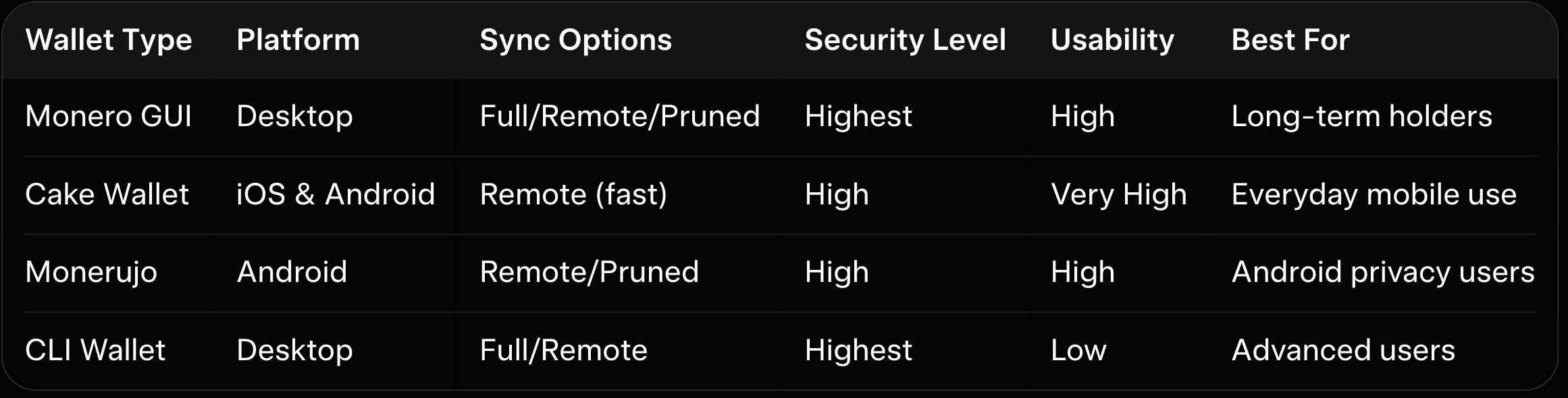
To restore a paper wallet, use the Monero GUI, Cake Wallet, or Monerujo on a clean device. Enter the 25-word seed phrase and set a strong password. The wallet synchronizes (remote node for speed) and shows your balance. To spend, create a transaction in the wallet, confirm details, and broadcast it. For maximum security, sign transactions using a hardware wallet or air-gapped machine if holding large amounts. As explained in our Monero privacy features explained, restoration is straightforward but must be done carefully to avoid exposure.
Here is the storage method comparison table:
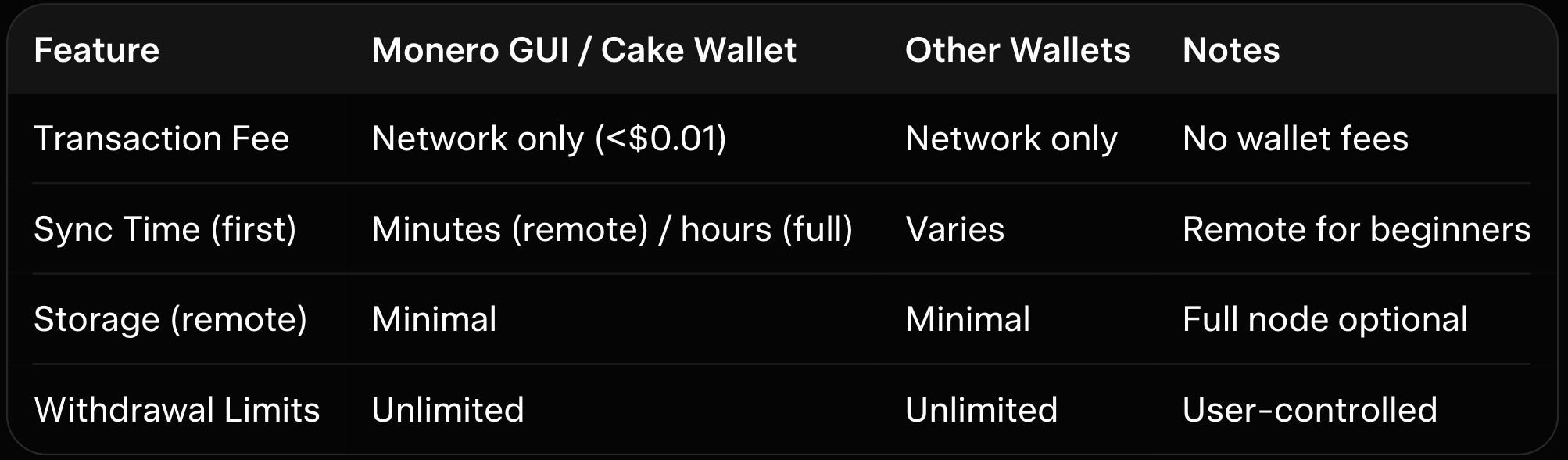
Here is a risk and usability factors table (2026 averages):
How baltex.io Enables Practical XMR Swaps and Liquidity Access After Cold Storage
A paper wallet is perfect for long-term cold storage, but eventually you may need to swap or move XMR for liquidity or payments. baltex.io enables practical XMR swaps and cross-chain liquidity after restoring from cold storage by scanning multiple no-KYC routes and liquidity sources internally. Private Swap mode inserts shielded Monero hops that fully break on-chain links using ring signatures and stealth addresses before delivering clean assets on destination chains. Settlements complete in 8–35 minutes even for cross-chain pairs, fees stay low at ~0.4–0.8%, and there are virtually no limits. Supporting over 10,000 tokens across 200+ networks without manual bridging, baltex.io delivers true one-click optimization after you restore your paper wallet to a hot wallet.
Privacy-maximalist holders benefit enormously—especially when pairing with tools covered in our best no-KYC Monero swappers and how to swap USDT to XMR privately. Keep XMR in paper cold storage and switch to baltex.io when liquidity or cross-chain moves are needed.
Conclusion
A Monero paper wallet in 2026 is one of the safest and most private offline storage methods when created correctly on an air-gapped machine. The process emphasizes offline seed generation, secure physical backups, and careful restoration. While it requires more effort than hardware or mobile wallets, the zero digital exposure makes it ideal for large long-term holdings. Tools like baltex.io make it easy to move funds from cold storage when needed.
Always create the wallet offline, use metal backups, test restoration with small amounts, and store seeds in multiple secure locations. Explore more strategies in our complete Monero XMR guide, Monero privacy features explained, and best no-KYC Monero swappers guides to store and use XMR securely.
For more on this, see our guide on SimpleSwap Review 2026: Pros, Cons, and Monero Exchange Fees.
We cover this in more detail in Instant Swap Services: The Go-To for Privacy-Conscious Users.
We cover this in more detail in XMR.to Alternatives: How to Pay Bitcoin Invoices with Monero.
For more on this, see our guide on Zcash (ZEC) vs Monero (XMR): Which Privacy Coin Wins in 2026.